







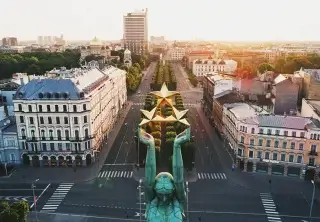
 Latvia’s Residence Permits for Real Estate to Be Abolished from September 15
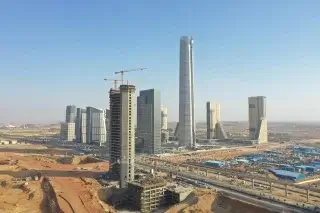 Egypt Prepares New Law for Property Developers
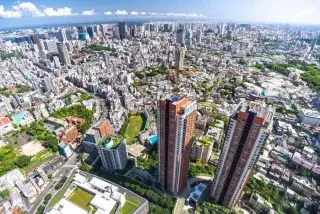 Young Japanese Buyers Turn to 50-Year Mortgages
 Argentina Narrows Tourism Gap as Arrivals Rise
 Seattle Luxury Housing Loses Its Former Momentum
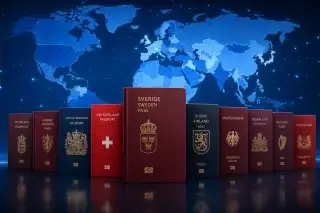 The World’s Strongest Passports for Travel, Living and Investment
Armenia: Visa-free travel with the EU may be possible within two years
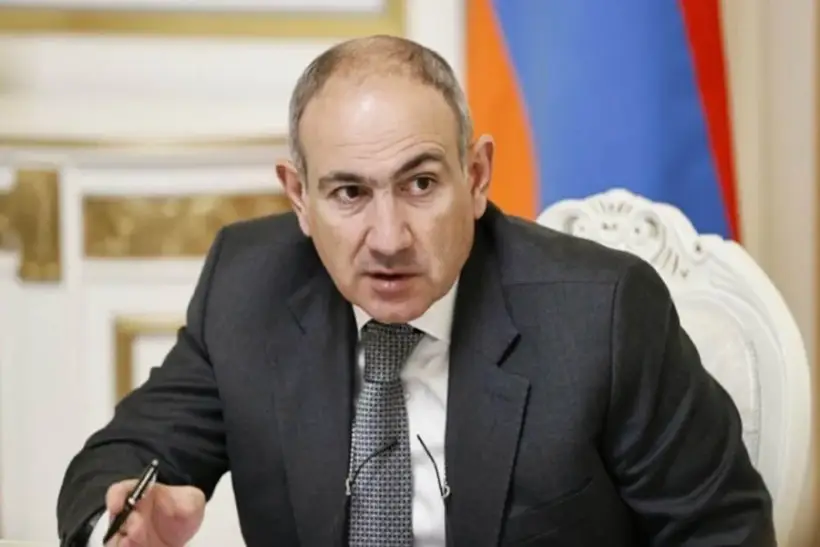
Armenian Prime Minister Nikol Pashinyan has stated that a visa-free regime with the European Union could be introduced within the next two years. He linked this to the growing number of trips made by Armenian citizens to EU countries and the overall development of relations between Yerevan and Brussels, according to the News.am portal.
Armenian travel to the EU up by 500%
On May 24, Armenian Prime Minister Nikol Pashinyan visited the city of Maralik in the Shirak region as part of his election campaign. During his speech, he said that the issue of visa liberalization between Armenia and the EU would be resolved within two years at the latest. He noted that, within the EAEU framework, he has “significant influence” and would be able to address key issues related to goods, services, employment, financial flows, and the movement of citizens.
Pashinyan stressed that the country is currently a member of the Eurasian Economic Union while deepening relations with the EU. A law initiating Armenia’s EU membership process has been adopted. “But the decision will be made by the people, because it can only be decided through a referendum,” he added.
The Prime Minister also explained why difficulties arise in obtaining visas. From 2018 to 2025, the number of Armenian citizens traveling to the EU increased by 500%. European embassies are unable to process such volumes. “My dear people, the issue of visa liberalization between Armenia and the EU will be resolved no later than in two years,” he concluded.
How the Armenia–EU visa dialogue was formed
The dialogue between Armenia and the European Union on visa liberalization was officially launched in September 2024. It became part of a broader process of rapprochement between Yerevan and Brussels, including political and economic cooperation.
In January 2025, the Armenian government approved a draft law on launching the country’s EU accession process. The document was seen as a political formalization of a course toward closer cooperation with the EU, including expanded formats of engagement.
In spring of the previous year, EU expert missions arrived in Armenia. Their task was to assess the country’s readiness for further progress on the visa agenda, including border and migration management and institutional standards. In autumn, the European Commission presented Yerevan with an action plan for visa liberalization. The document includes 74 mandatory requirements covering key areas—from document security and border management to public order and rights protection.
From that point on, the dialogue moved into a technical phase. Further progress toward visa-free travel depends on the implementation of the criteria set out in the action plan and the European Commission’s regular assessment of progress.
EU–Armenia summit: strengthening cooperation
In May 2026, the first-ever EU–Armenia summit was held in Yerevan. The meeting was attended by European Council President António Costa and European Commission President Ursula von der Leyen. Armenia was represented by Prime Minister Nikol Pashinyan. The sides expressed their intention to deepen relations and expand cooperation across multiple areas, including transport, energy, digital policy, and mobility.
During the meeting, a report on visa liberalization was presented, an EU–Armenia partnership document was signed, and a new working arrangement with Frontex was concluded. The EU stressed that the summit confirmed its course toward deeper relations with Armenia, support for reforms, and strengthening the country’s sovereignty and resilience.
The European Union welcomed steps toward normalization between Armenia and Azerbaijan and supported the process of rapprochement with Türkiye. The EU also confirmed substantial financial and investment support, including a €270 million resilience and growth program for 2024–2027 and Global Gateway investments that could reach €2.5 billion.
In 2026, the EU also agreed to establish a new civilian mission in Armenia under its Common Security and Defense Policy and allocated €30 million through the European Peace Facility to support the Armenian armed forces. The summit also reaffirmed progress in the visa dialogue.
Conclusion
Analysts at International Investment note that cooperation between Armenia and the European Union is strengthening. The dialogue is moving from general statements to concrete mechanisms, working agreements, and expanded financial support. At the same time, statements about possible visa-free travel appear to be part of the pre-election political agenda.
The EU continues to actively counter illegal migration. Requirements for border control, document verification, and entry regulation are becoming stricter, creating a tighter framework for any future visa liberalization decisions.
For now, Armenia’s political momentum is moving ahead of Europe’s technical procedures. In a regional context, the country is progressing toward closer ties with Europe at a slower pace than some neighbors. For example, Georgia already has visa-free travel and has even become an EU candidate. Its experience shows that deeper integration and visa-free access are possible through long-term compliance with conditions and political alignment with Brussels.