










ZUMA PRESS
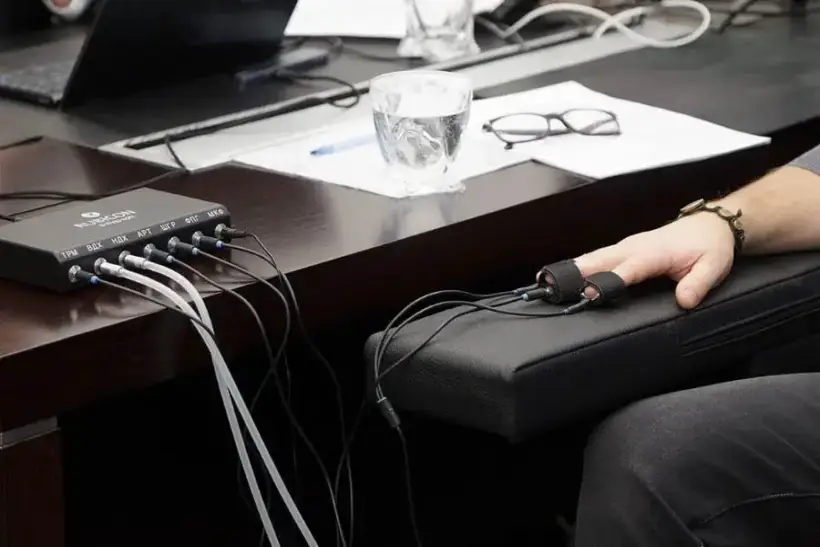
Lithuania's Seimas has expanded the list of people who may be subjected to polygraph testing. The new rules cover foreign nationals who may pose a threat to national security, as well as representatives of companies that hold or are applying for a trusted supplier certificate, LRT reports.
Lithuanian Residence Permits May Involve Polygraph Testing
The amendments were approved by a majority vote in parliament: 81 lawmakers voted in favor, four opposed, and 14 abstained. The initiative was proposed by the Second Investigation Department under the Ministry of National Defence.
Deputy Minister of National Defence Karolis Aleksa said the changes were prompted by the current geopolitical situation, increased activity of hostile foreign intelligence services in Lithuania, and a growing number of recruitment attempts.
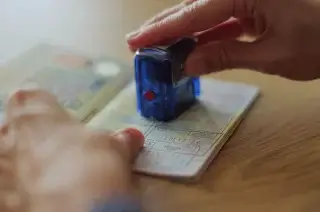
He stressed that the amendments are intended to strengthen national security measures and enable a more comprehensive assessment when deciding whether to grant a person access to classified information, as well as when considering applications for a Lithuanian residence permit submitted by foreign nationals.
Under Lithuanian law, polygraph examinations may be conducted by statutory state institutions, military intelligence, the State Security Department (VSD), and the Special Investigation Service (STT).
Who Will Be Subject to Polygraph Tests
Until now, polygraph examinations were limited to public officials, military personnel, civil servants, and intelligence officers. The amendments expand the list to include:
- representatives of supplier companies that have obtained or are applying for a trusted supplier certificate;
- candidates seeking to become confidential intelligence collaborators;
- foreign nationals who may pose a threat to national security.
In addition, a polygraph test may be required if there are suspicions that a person has concealed information or provided false details about their background or personal connections. This applies when authorities are considering granting, revoking, or denying access to classified information.
Refusing to undergo a polygraph examination will be treated as an indication that the individual may pose a threat to national security.
Lithuania Tightens Migration Policy
The broader use of polygraph testing is part of Lithuania's wider effort to strengthen migration controls. Earlier, President Gitanas Nausėda proposed amendments to the Law on the Legal Status of Aliens. The changes introduce a new type of temporary work permit for foreign workers who do not intend to settle in Lithuania long term. Such permits will be valid for up to two years, after which workers will be required to leave the country for at least six months.
The proposed reforms also affect residence permits. Foreign nationals applying for a residence permit for the third time within a ten-year period will be required to demonstrate proficiency in the Lithuanian language. Security screening procedures will also be strengthened.
In addition, the Lithuanian authorities plan to extend the existing restrictions on Russian and Belarusian citizens until 2028 and consider introducing further measures related to residence permits, real estate purchases, and monitoring the movement of foreign nationals.