







read also

Somaliland – a new real estate market on the world map: prices, dynamics, prospects
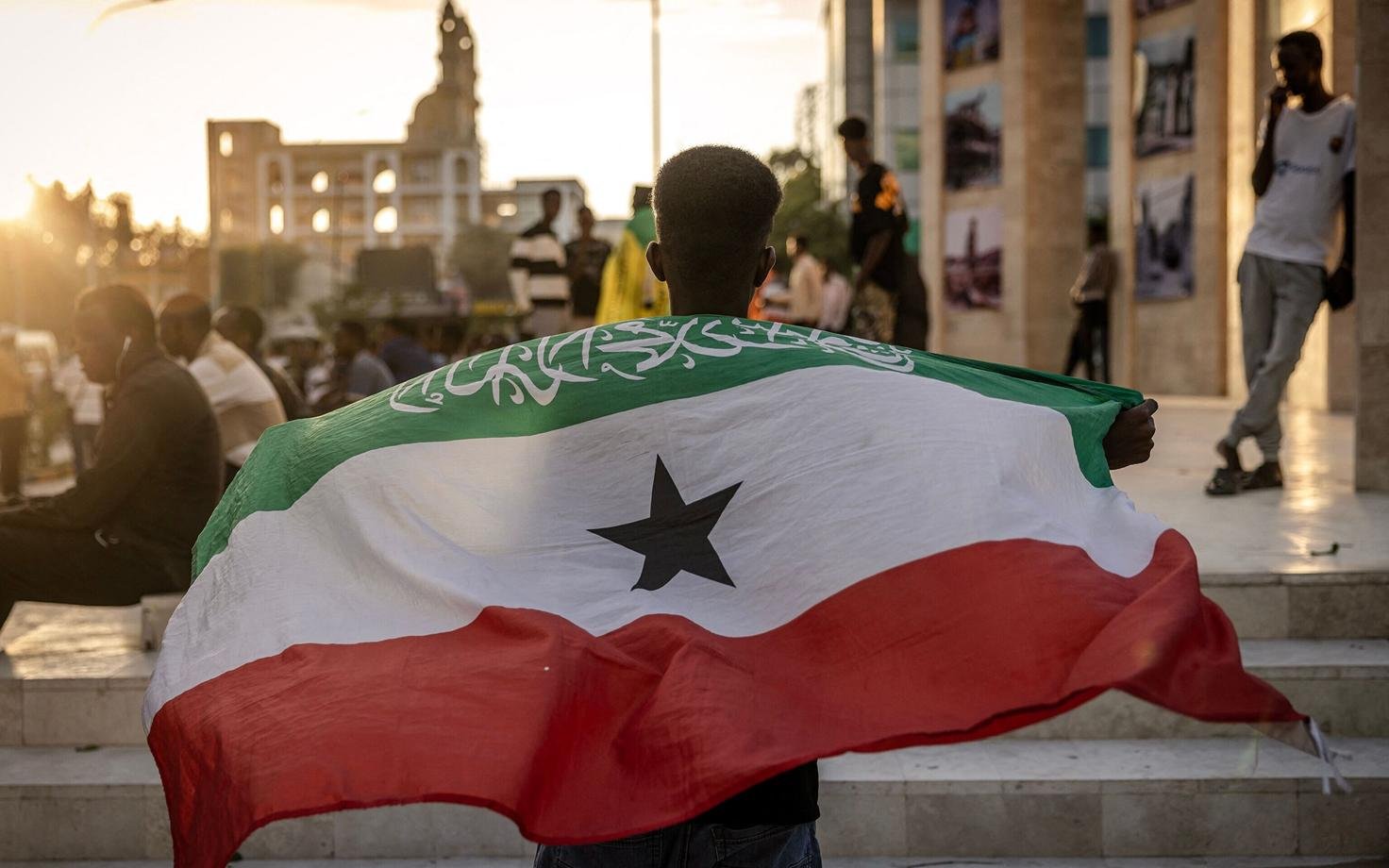
During the New Year holidays, Israel recognized the independence of Somaliland. Thanks to this news event, the overwhelming majority of people heard about this state for the first time. Israel’s recognition turns this country from terra incognita into a center of attention for the wider public, including investors.
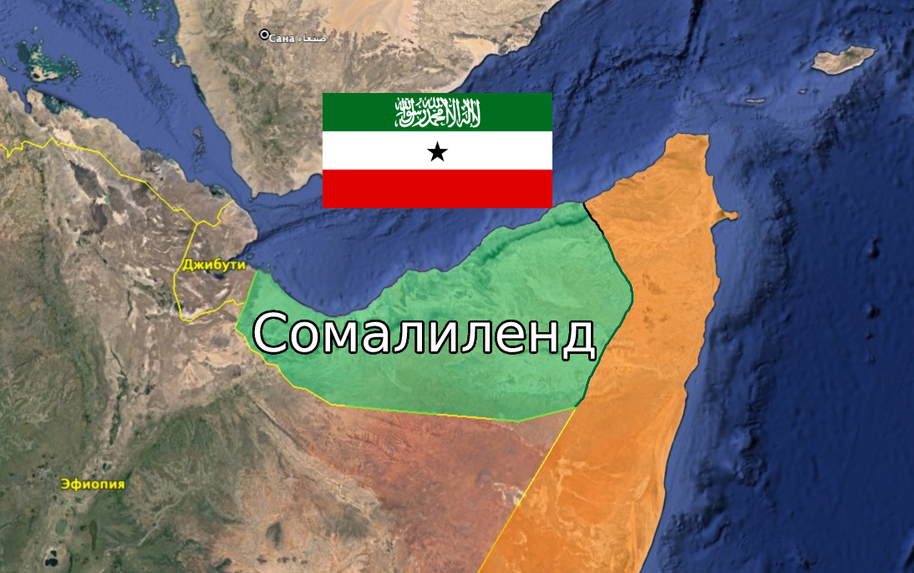
Somaliland
We have all heard about Somalia – the “country of pirates”. But in reality, the state is divided into nine territories, and the government controls only one of them. The remaining eight are unrecognized and partially recognized states: Somaliland, Puntland, Jubaland, the State of Central Regions of Somalia, South West Somalia, Hirshabelle, Harakat ash-Shabab, and the Islamic State. Previously, there were twice as many, but following the civil war many territories united into unrecognized states in order to ensure more effective protection.
Somaliland is located in an ideal tourism location – along a 740-kilometer coastline of the Persian and Gulf of Aden, in the tropics. A notable discovery was the widespread use of the English language among the population of Somaliland. This is due to the fact that the state is part of the former British Somaliland colony, and its elites have defined a Western development vector for the country and encourage the widespread study of English.
At the same time, Somaliland’s infrastructure is completely underdeveloped. This is a paradise for investors willing to take risks for the sake of high returns due to the country’s proximity to Islamist terrorist quasi-state entities. Given the interest from Israel, which has lived for decades surrounded by aggressive Arab neighbors, the risks of investing in Somaliland may be justified.
Another unexpected fact is that this state in the Horn of Africa is already far from being a cheap real estate market. Below is an overview of the Somaliland real estate market with prices, dynamics, and prospects.
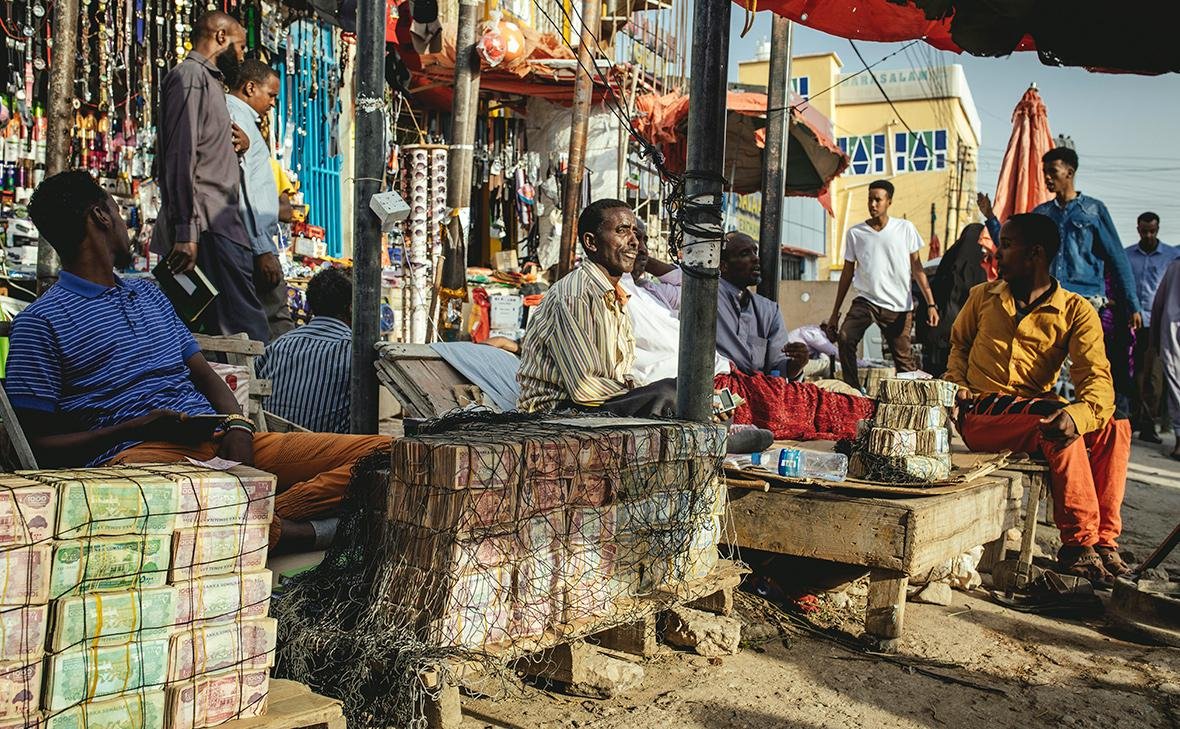
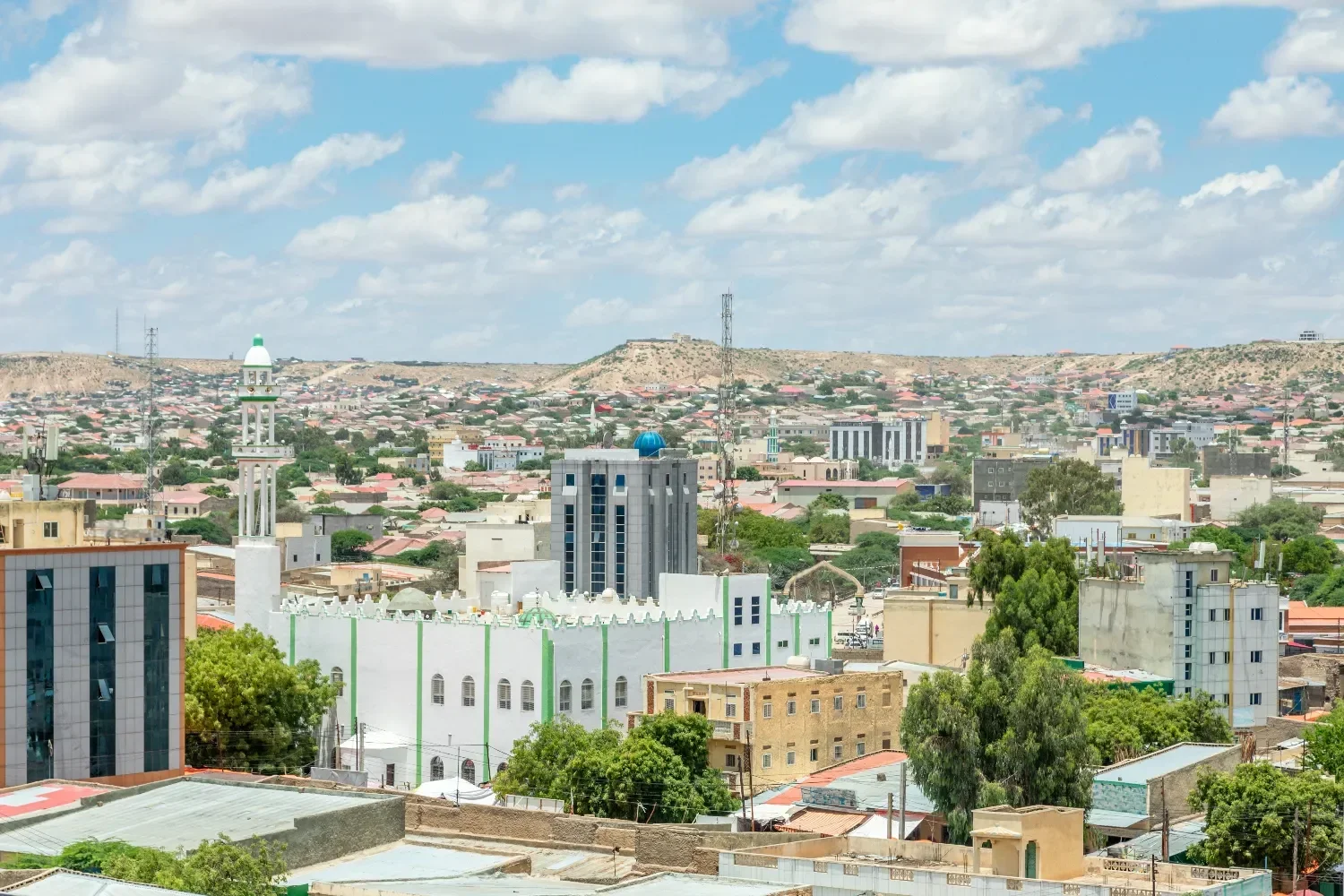
Hargeisa
This is the capital of Somaliland.
Average land prices in central districts are around $40-70/m², outside the center – from $25. In the most remote or disadvantaged outskirts, land can be purchased even within $4000-$10000 for a plot suitable for building construction, reports Sidra Homes.
Housing with a minimal level of comfort is valued in the capital in the range of $50000-$80000, while modern apartments and higher-quality houses are priced at $200000-$500000 in the center, according to Guriiibso.
Rent: apartments on the outskirts cost on average $200/month, while in the center prices reach $800, writes Somalia.
Berbera
This is a port and tourist city.
Land and plots near the coastline are valued at up to $80 000, depending on proximity to the sea and infrastructure, reports Reddit.
Rental rates in Berbera are usually lower than in Hargeisa, but housing near the port and beaches remains in demand.
Burao
A major inland regional center.
Land plots here are significantly cheaper: approximately $15-40/m², which makes the city more affordable for residential construction compared to Hargeisa.
Rent in Burao is lower than in the capital, but rates vary significantly between micro-markets.
Other locations
In cities such as Borama, Gabiley, and Sergiago, the real estate market is less active but large – there is a wide supply of residential and commercial properties with a low entry threshold.
Commercial real estate
Demand for offices, retail space, and warehouses is growing in Hargeisa and Berbera, especially in areas with access to transport corridors and ports.
Recent years’ dynamics
Land prices in central districts have approximately doubled over the past 5 years, but this growth mainly correlates with the rise in construction material prices worldwide (material cost growth – about 40% since 2020) and the limited supply of plots with full documentation.
In Hargeisa, the average plot price increased from approximately $20000 to $30000-35000 over five years.
Construction
Growth of the urban population and the need for affordable housing stimulate private residential district projects, as well as projects in Berbera aimed at middle-class housing, reports FAIR Construction.
The main problem is the absence of mortgage programs and bank financing for housing; most properties are purchased in cash.
Construction costs have increased due to the import of materials, logistics, and supply instability.
Infrastructure projects (roads, ports, utilities) remain local and not always coordinated, which limits the pace of development of new neighborhoods outside the center, according to the Geeska report.
Tourism and the hotel industry
Tourism in Somaliland is developing more weakly than even in neighboring countries. The country has the following number of hotels:
Hargeisa – 66 hotels, 1915 rooms;
Burao – 22 hotels, 323 rooms;
Gabiley – 17 hotels, 606 rooms;
Berbera – 16 hotels, 473 rooms;
Borama – 11 hotels, 216 rooms;
In the rest of the country – 5 hotels with 131 rooms.
At the same time, hotel overnight prices are high – from $50 to $150, according to Tutu. These are mostly guesthouses and small “no-star” hotels, and there are almost no hotels of international hotel chains in the country, with the exception of the cheapest brands.
After the civil war, small flows of foreign tourists are beginning to return to Somaliland. In 2023, 6500 daring travelers from abroad visited the country, and in 2024 – already 10 thousand, according to calculations by 24 Channel.
Foreign tourists spend an average of $10 per meal on restaurant dining.
Market dynamics
After the civil war, moderate growth in land and housing prices has been recorded in key cities (Hargeisa and Berbera), partly linked to the beginning of urbanization.
In Burao and less urbanized cities, prices remain more affordable, which makes them attractive for investments in residential development.
Construction projects are expanding in the residential sector, but infrastructure is developing more slowly. At the same time, construction of commercial properties is strengthening in central business districts.
The overall flow of tourists to Somalia is increasing, reflecting growing interest in the region, but security issues and limited infrastructure remain obstacles to mass tourism.
Market forecasts
Over the next 3-5 years, further moderate growth in land and housing prices is expected in the cities of Hargeisa and Berbera due to increased interest from the local population and the diaspora. Growth in investment projects in commercial real estate in Hargeisa and Berbera is possible.
Growth in construction activity will continue, but at a slow pace until banking financial products (such as mortgages) and government regulation improve. An increase in the supply of affordable housing will become a key demand factor.
Experts International Investment suggest that if the level of security continues to improve and more organized tourist offerings emerge, the sector may show moderate growth, especially in the adventure and cultural tourism segment. However, tourist flows will remain relatively low without significant infrastructure investments.