







read also
 China Nears a Decision on Fresh Stimulus
 Fines for Illegal Rentals in Spain Reach €800,000
 Australia’s Spring Auctions Rise but Remain Well Below 2025
 Number of Foreigners Holding Turkish Residence Permits Exceeds 1.27 Million
 Demand from Russian Tourists for Holidays in Georgia Rises by 20–25%
 Montenegro Property Buying Costs in 2026
Real Estate / Investments / Analytics / News / Estonia / Real Estate Estonia / Russia / Belarus 30.01.2026
In Estonia, a ban has been proposed on property purchases by Russian and Belarusian citizens
The Interior Ministry’s initiative could affect around 10,000 foreigners
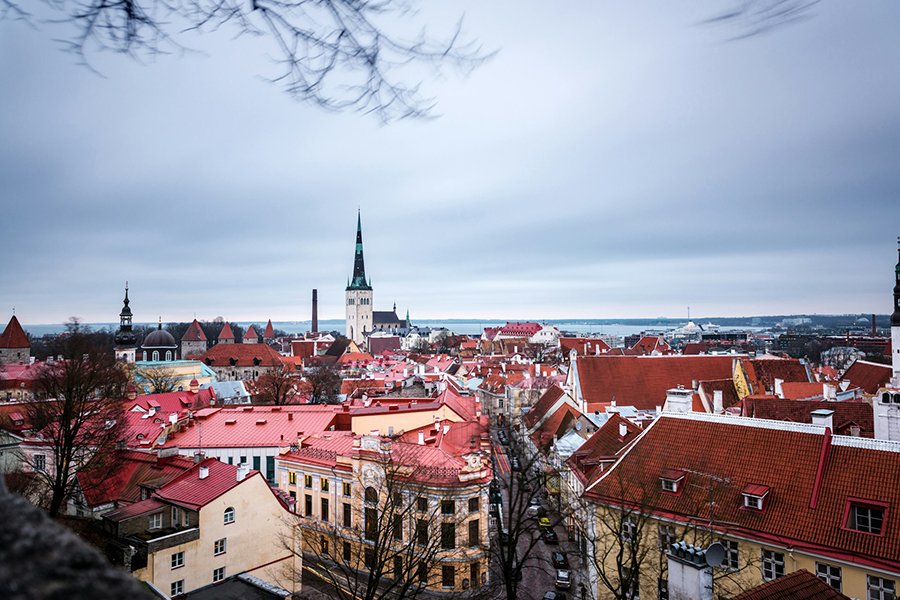
Photo: Unsplash
Estonia’s Ministry of the Interior has put forward an initiative to introduce a ban on property purchases for Russian and Belarusian citizens who do not hold a long-term residence permit. The measure could affect around 10,000 people and is viewed as part of a policy aimed at strengthening national security. The authorities intend to prepare the relevant legislative amendments on an accelerated basis.
Key aspects of the proposal
Position of the ministry
The proposal was put forward by Interior Minister Igor Taro, representing the Eesti 200 party. The ministry has begun drafting legislative changes that предусматривают a ban on property purchases not only for individuals, but also for companies whose ultimate beneficial owners are Russian or Belarusian citizens without a long-term residence permit.
The Interior Ministry believes that real estate can be used not only for economic purposes, but also for intelligence or subversive activities. Properties are viewed as infrastructure that could be used in the interests of foreign states in crisis situations. The minister stressed that existing restrictions related to border areas and small islands no longer meet current challenges. In his view, Estonia should move from partial limitations to a direct ban, following the example of other EU and NATO countries.
How many Russians and Belarusians live in Estonia
According to the Interior Ministry, at the beginning of January more than 70,000 Russians and about 1,200 Belarusians were living in Estonia with long-term residence permits. Another around 9,000 people from these countries were staying in Estonia on a temporary basis. Since February 2022, around 1,000 Russian citizens without residence permits have carried out property transactions in the country, and their ties to Estonia are not formally recorded in state registers.
Who will retain the right to buy property in Estonia
The ban will not affect Russian and Belarusian citizens who hold long-term residence permits in Estonia. They will retain the right to buy, sell, inherit and gift property. The Interior Ministry emphasises that such individuals have already undergone comprehensive background checks when obtaining resident status, and their biographies are under the supervision of state authorities.
Background of the issue
The idea of introducing such a ban is not new in Estonia. In 2023, the EKRE party put forward a similar initiative, but the government led by Kaja Kallas did not support it. In 2024, the proposal was reintroduced by former Interior Minister Lauri Läänemets, and the government approved the concept, but the law was never adopted.
Expert opinions
Representatives of the Centre Party believe that the current initiative is partly political in nature and aimed at boosting the popularity of the Eesti 200 party. They argue that in matters of security it is more important to scrutinise all buyers from third countries, rather than focusing solely on Russian and Belarusian citizens.
Lawyers point out that the proposed ban contradicts the Constitution of the Republic of Estonia. Implementing the initiative may require amendments to the Basic Law. The authorities have stated their intention to prepare amendments to the existing law on restrictions on property acquisition by the summer. The discussion is shifting into the legal sphere, and legal expertise will become a key factor in determining the fate of the initiative.
Restrictions in other countries
Several European countries have already introduced restrictions on property purchases by Russian and Belarusian citizens, citing national security concerns. In Finland, the relevant law has been in force since July 2025. Exceptions apply for holders of permanent residence permits, as well as citizens of EU countries. In Latvia, such transactions have been banned since 3 July 2025. In Lithuania, parliament has also approved similar restrictions.
Conclusion
Analysts at International Investment note that EU countries have been consistently introducing restrictions since February 2022, following the outbreak of hostilities in Ukraine. In most cases, the measures target Russian citizens, but in some instances also extend to Belarusian citizens.
In the absence of major political changes, this trend is likely to continue in the medium term. As a result, European real estate markets are becoming increasingly less accessible and predictable for investors from Russia and Belarus, gradually reducing their attractiveness for this category of buyers.