







 Denmark Sets First-Half Tourism Record as Germans Lead
 Drought Dries Bärenschützklamm Waterfalls in Austria
 Thailand Industrial Property Faces Rising Vacancy Risk
 Apartment Prices in Estonia Differ by 51 Times
 European Property Investment Rises to €54 Billion
 Vienna Leads Rentals, Alpine Resorts Earn More
Australia home loans hit a record high
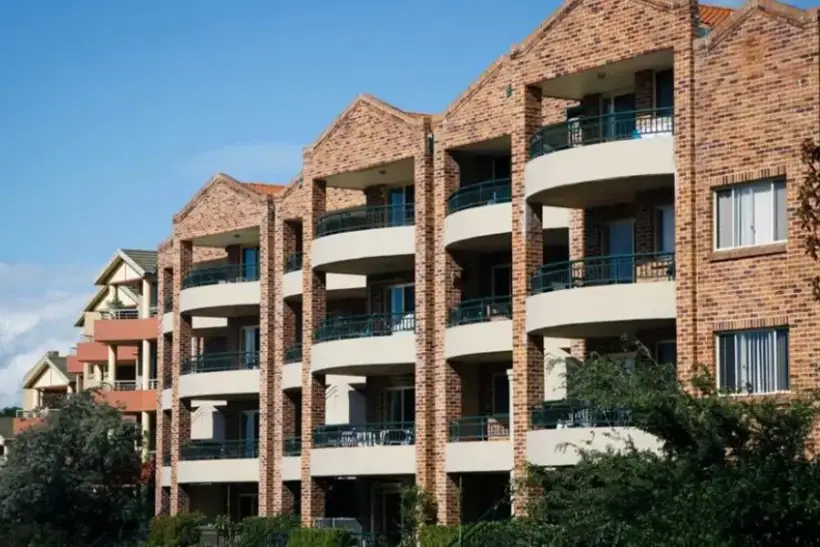
Australia’s new home lending to owner-occupiers reached a record at the end of 2025, even as the central bank continued tightening monetary policy and housing affordability deteriorated for new buyers. Official data from the Australian Bureau of Statistics showed the value of new owner-occupier loan commitments for dwellings rose to A$65.3 billion in the fourth quarter, the highest level on record.
Record mortgage lending in Australia
According to the latest ABS lending indicators release, the total number of new dwelling loan commitments in Australia rose 5.1% quarter on quarter in the December 2025 quarter, while the value increased 9.5%. In the owner-occupier segment, the number of loans rose 4.8% and the value climbed 10.6% to a record A$65.3 billion. That is the core figure behind the Yahoo Finance report on record home loans.
The ABS also recorded a strong rise among first-home buyers. The number of new first-home buyer loan commitments increased 6.8% over the quarter, while the value jumped 15.5% to A$19.3 billion. That suggests the first-home buyer segment continued to expand in value terms even faster than the broader owner-occupier market despite worsening affordability.
Investment lending also strengthened. The value of new investor loan commitments rose 7.9% over the quarter to A$43.0 billion, while annual growth reached 31.8%. As a result, the total value of new housing loan commitments in Australia reached A$108.3 billion in the December quarter of 2025.
Why lending is rising despite higher interest rates
The increase in home lending came during a period when the Reserve Bank of Australia was still raising borrowing costs. On March 17, 2026, the RBA lifted the cash rate target by another 25 basis points to 4.10%, saying inflation had picked up materially in the second half of 2025. That means the mortgage record was set before the latest March hike, but already within a broader tightening cycle.
That combination points to a defining feature of the Australian housing market: higher rates have not stopped lending because the pressure comes from elevated home prices, chronic supply shortages and the need for buyers to borrow more simply to enter the market. That is consistent with broader construction data showing total dwelling approvals in February 2026 rose 29.7% month on month, while the value of residential building approvals hit a record A$12.5 billion.
Housing affordability in Australia keeps deteriorating
A record in mortgage commitments does not mean conditions have improved for buyers. Fresh reporting from Domain and ABC indicates housing affordability for first-home buyers worsened again in 2026. Domain’s First Home Buyer Report 2026 found entry-level home prices rose much faster than wages, while the time needed to save a 20% deposit increased across every Australian capital city. ABC reported that affordability had deteriorated over the past year even after earlier rate cuts.
Domain also said national entry-level prices have risen 68% over the past five years, while wages increased by less than one third of that pace. That helps explain why mortgage volumes are rising: the data reflect not just stronger participation, but the reality that buyers need larger loans to purchase increasingly expensive homes.
The divide between existing owners and aspiring entrants is also widening. ABC reported in March that rising home values had created a “financial shield” for established owners through higher equity and profitable resales, while more recent buyers, especially those with low deposits, were in a more exposed position.
What is happening to Australian home prices
As lending expands, Australian home prices have also moved to new highs. According to PropTrack data cited in Australian media, the national median home value reached A$908,000 in March 2026, up 9.4% from a year earlier. Even with signs of slowing momentum, the market remains elevated, and price growth in some cities is still strong.
That helps explain why the value of loan commitments is rising faster than the number of loans. Even if activity is not surging dramatically, the size of each mortgage is increasing because home prices and the cost of market entry are higher. The first-home buyer data make this especially clear: the value of first-home buyer commitments rose 15.5% in the quarter, well above the 6.8% increase in the number of loans.
What the mortgage record means for Australia’s property market
For developers, banks and investors, the new home-loan record signals that housing demand in Australia remains resilient despite tighter financial conditions. For households, though, the same figures point to a heavier debt burden. As the cash rate rises and home values remain high, new mortgages require larger borrowing, higher incomes and greater sensitivity to future rate changes.
More broadly, the ABS figures suggest the market has not cooled as much as policymakers may have hoped. They also show that structural undersupply and elevated prices are outweighing the restraining effect of higher rates. In that sense, Australia’s record home-loan figure is not only a sign of demand. It is also a sign of continuing housing stress.
As International Investment experts report, Australia’s record mortgage lending underlines that the housing market remains overheated less because of cheap money and more because of limited supply, high entry costs and persistent demand. For investors, that confirms the sector’s strength. For buyers, it is a sign that the market continues to require ever-larger amounts of borrowed capital even as affordability worsens.
FAQ on Australia’s record home loans
What record was set in Australia’s mortgage market?
In the fourth quarter of 2025, the value of new owner-occupier housing loan commitments reached A$65.3 billion, the highest level on record in ABS data.
Are first-home buyer loans also rising?
Yes. The value of first-home buyer loans rose 15.5% over the quarter, while the number of new loans increased 6.8%.
What is Australia’s current policy rate?
On March 17, 2026, the Reserve Bank of Australia raised the cash rate target to 4.10%.
Why are mortgage volumes rising if rates are high?
Because home prices remain elevated, housing supply is tight and buyers need to borrow more even for entry-level housing.
Is housing affordability improving in Australia?
No. Domain and ABC report that first-home buyer affordability has worsened and the time needed to save a deposit has increased in every capital city.