







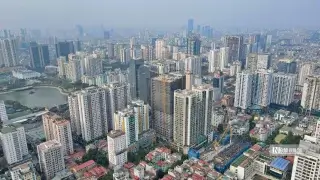
 Vietnam Mortgage Surge Pushes Homes Out of Reach
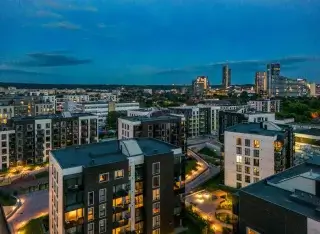 Lithuanian Apartment Prices Accelerate Across Major Cities
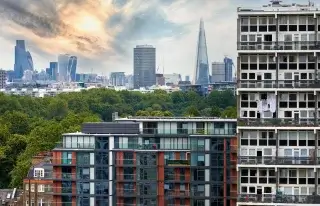 London Flats Lose Value Ahead of Leasehold Reform
 Construction of the Batumi–Sarpi Highway Begins in Georgia
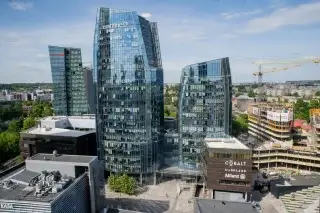 Baltic Property Investment Accelerates in 2026
 Hong Kong and Singapore Renew Their Expat Rivalry
Singapore Tops APAC Office Fit-Out Costs
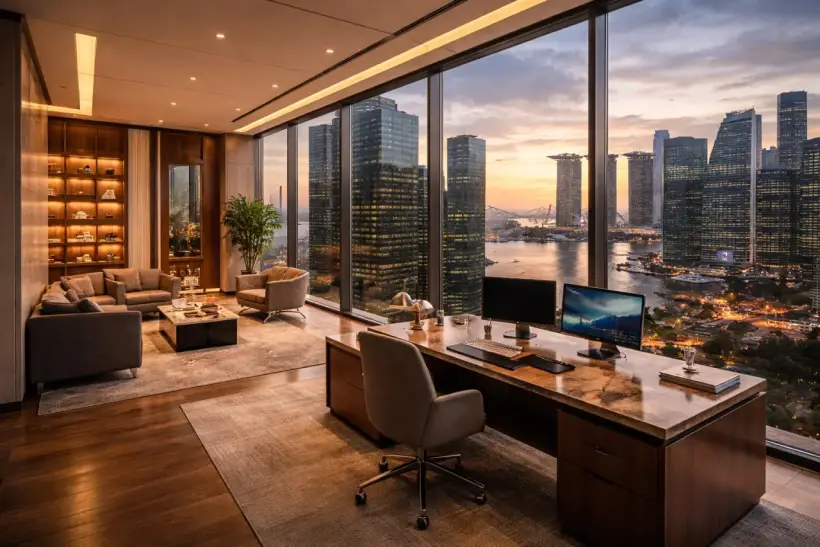
Singapore has become the most expensive city in Asia-Pacific for office fit-out, with average costs reaching $2,029 per square metre. Real Estate Asia, citing Knight Frank, reported that the city ranked ahead of Tokyo at $1,994 per square metre and Taipei at $1,593, while Phnom Penh was the cheapest market at $375.
Singapore posts the highest office fit-out cost in Asia-Pacific
Knight Frank’s Asia-Pacific Fit-Out Cost Guide 2026 ranked 23 cities using fourth-quarter 2025 data and placed Singapore at the top of the regional table. The consultancy expects fit-out costs across Asia-Pacific to rise by another 2% to 5% over the next 12 months, driven less by broad inflation than by tight labour markets, competition for skilled contractors and stricter environmental, social and governance standards.
Why office fit-out is so expensive in Singapore
Knight Frank attributes Singapore’s top ranking to rising labour costs, limited contractor capacity and stringent building standards. High-specification projects command a substantial premium because multinational occupiers in the city increasingly treat workplace quality as a strategic requirement rather than a discretionary expense.
Environmental compliance is also no longer viewed as an optional upgrade. In markets such as Singapore and Sydney, sustainability-aligned fit-outs are becoming standard, which is increasing demand for specialist engineering, smart-building systems and workplace technology. As a result, project budgets are being shaped not only by finishes and materials, but by the deeper integration of digital and sustainability infrastructure.
Singapore’s tight office market is adding to occupier pressure
The increase in fit-out costs is landing at a time when the office leasing market itself is tightening. CBRE said vacancy in Singapore’s Core CBD Grade A office segment fell to a record 3.3% in the first quarter of 2026, while rents rose for a fifth consecutive quarter. The brokerage linked that performance to firm occupier demand and limited new supply despite broader macroeconomic uncertainty.
Colliers painted an even tighter picture in its narrower premium and Grade A CBD segment. It said vacancy fell to 2.4% in the first quarter from 4.0% in the previous quarter, while rents rose 1.5% quarter on quarter to S$12.00 per square foot per month. For occupiers seeking large, high-quality floorplates, that means fit-out budgets are rising at the same time as rent and space scarcity, sharply increasing total entry costs.
How office fit-out costs are shifting across Asia
Singapore’s position reflects a broader regional pattern. Knight Frank said India’s major office markets remain among the most cost-competitive, while Jakarta, Kuala Lumpur, Manila and Bangkok are all seeing gradual increases as quality expectations, engineering requirements and compliance standards rise. At the same time, more occupiers are moving toward the Design & Build delivery model, which combines design and construction in a single contract. The consultancy said this can reduce project timelines by 20% to 30% and improve budget certainty.
Currency volatility and import duties are adding another layer of pressure. Knight Frank said these risks are pushing occupiers to rethink procurement strategies, localise some sourcing and reduce both project costs and carbon exposure. In Singapore, where a significant share of premium workplace components and systems is tied to imported products, that sensitivity is especially important.
What the ranking means for Singapore real estate
For landlords and developers, rising fit-out costs reinforce Singapore’s position as a premium, supply-constrained office market. For occupiers, the message is different: the cost of entering or upgrading into a high-quality office continues to rise not only because of rent, but because bringing a workplace up to current corporate standards is becoming materially more expensive. In practice, that may encourage longer lease terms, earlier relocation planning and more selective space strategies.
As International Investment experts report, Singapore’s lead in office fit-out costs is not the result of one overheated metric but of three forces moving together: a tight premium office market, expensive project execution and a structural shift toward more technology-heavy and sustainability-led workplaces.
FAQ on Singapore office fit-out costs
What does the $2,029 per square metre figure represent?
It is Knight Frank’s average estimate for office fit-out costs in Singapore, covering the main components required to deliver fitted workplace space.
Why is Singapore more expensive than Tokyo?
The main reasons are higher labour costs, limited contractor capacity, strict building standards and strong demand for high-quality workplaces from international occupiers.
Are fit-out costs expected to keep rising?
Yes. Knight Frank expects a further 2% to 5% increase across Asia-Pacific over the next 12 months, driven by labour shortages, sustainability requirements and supply-chain pressure.
How does fit-out inflation connect with office rents?
When vacancy is low and rents are rising, occupiers face higher total occupancy costs. In Singapore, expensive fit-outs and a tight leasing market are reinforcing each other.
What is Design & Build?
It is a delivery model that combines design and construction under one contract. Consultants say it can improve cost certainty and shorten project timelines.
Why do sustainability requirements raise costs?
Because projects increasingly require more advanced engineering systems, smart-office technology, energy-efficient specifications and specialist expertise.