







read also
 Australia’s Spring Auctions Rise but Remain Well Below 2025
 Number of Foreigners Holding Turkish Residence Permits Exceeds 1.27 Million
 Demand from Russian Tourists for Holidays in Georgia Rises by 20–25%
 Montenegro Property Buying Costs in 2026
 Four in Ten Companies Would Not Choose Slovakia
 Gulf Countries Prepare Unified Tourist Visa
Greece Takes Action: Protecting Islands and Cultural Heritage from Tourism Overload
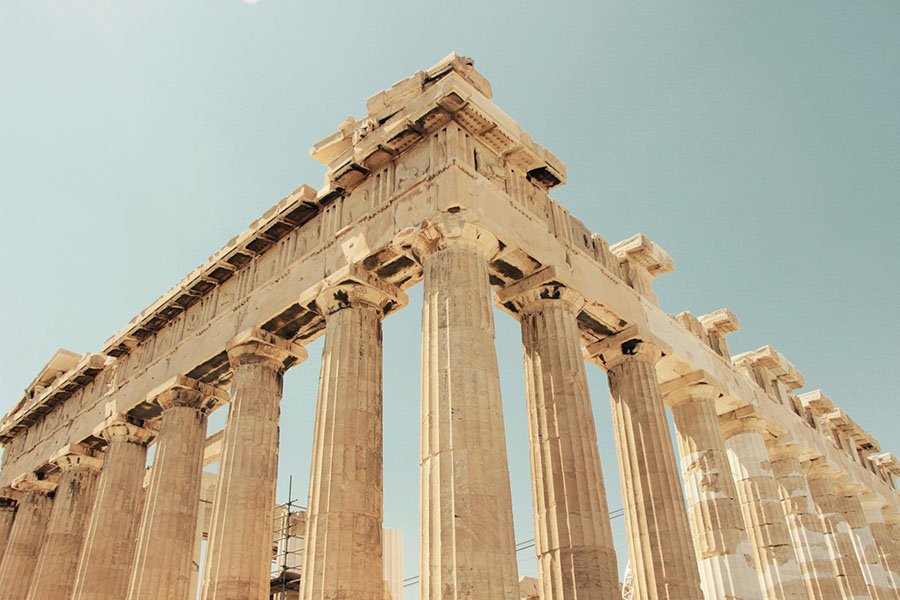
Photo: Unsplash
Greece, celebrated for its breathtaking islands and ancient monuments, is facing an unprecedented surge in tourist arrivals. Destinations such as Santorini, Mykonos and Athens have become global icons, but their popularity comes with a price. Overcrowded streets, pressure on local infrastructure and environmental degradation have raised urgent concerns about the long-term sustainability of Greece’s tourism-driven economy. In response, the country is reshaping its tourism policies to ensure that both visitors and locals can continue to enjoy these extraordinary places without compromising their integrity.
Santorini’s Visitor Limits: Managing Crowds to Preserve the Island
Santorini epitomizes the beauty of the Greek islands, yet it also represents the challenges of overtourism. Daily visitor numbers — especially from cruise ships — have reached levels that push the island’s resources beyond capacity. To safeguard its fragile environment and improve the visitor experience, the Greek government has introduced strict limits on the number of tourists allowed at key hotspots each day.
These controls help distribute tourist flows more evenly, preventing congestion in narrow village pathways and reducing strain on transportation networks, utilities and local communities. The policy aims to enhance the quality of tourism while maintaining Santorini’s cultural and natural charm.
Tourist Tax as a Tool for Sustainability and Heritage Preservation
Several Greek regions, including Athens and the Cyclades, have implemented a tourist tax designed to support environmental protection projects and essential upgrades to public infrastructure. This revenue funds the maintenance of historical monuments, improvement of water systems, ecological conservation programs and modernisation of tourist zones facing heavy visitation pressure.
By reinvesting tax funds into the areas most affected by mass tourism, Greece is strengthening its ability to preserve cultural heritage while ensuring that visitors continue to enjoy safe, well-maintained and authentic destinations.
Greece’s evolving tourism strategy reflects a forward-looking vision: a balance between economic benefits and the responsibility to safeguard the natural and cultural treasures that define the nation.
Expert Conclusion from International Investment (EN)
According to analysts at International Investment, Greece is emerging as a leader in sustainable tourism management. Its decision to limit visitor numbers on Santorini and introduce a tourist tax across key regions demonstrates a pragmatic, data-driven approach to protecting heritage and supporting long-term development. This strategy positions Greece as a model for other global destinations seeking to control overtourism while preserving their cultural identity and environmental integrity.