







read also
 Canada Fast-Tracks Tax Rulings for C$1 Billion Investments
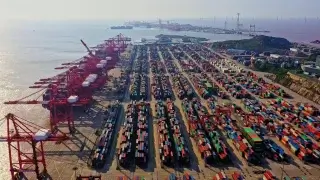 China Nears a Decision on Fresh Stimulus
 Fines for Illegal Rentals in Spain Reach €800,000
 Australia’s Spring Auctions Rise but Remain Well Below 2025
 Number of Foreigners Holding Turkish Residence Permits Exceeds 1.27 Million
 Demand from Russian Tourists for Holidays in Georgia Rises by 20–25%
China Boosts Tourism Momentum. WTTC backs China’s facilitation drive

Photo: Unsplash
The World Travel & Tourism Council has highlighted China’s visa-free access and travel facilitation measures as major drivers of growth in the country’s Travel & Tourism sector. According to WTTC, streamlined visa regimes, expanded transit policies and broader accessibility reforms are strengthening China’s position as a leading global tourism market.
Global discussion in Harbin
These developments were discussed at the Global Tourism Economy Forum in Harbin, where global tourism leaders examined the future of the industry and China’s expanding influence. WTTC Interim President and CEO Gloria Guevara delivered a keynote address, emphasizing the sector’s economic performance and the impact of government-led reforms on visitor confidence and investment.
Strong economic contribution in 2025
WTTC estimates that China’s Travel & Tourism sector will contribute $1.9 trillion to the national economy in 2025, growing at an annual rate of nearly 16%, double the global average. Guevara noted that policy clarity and improved access are encouraging businesses to invest while giving travelers greater freedom to explore the country’s diverse destinations.
Inbound and domestic travel surge
Inbound visitor spending in China is projected to reach $144.1 billion in 2025, while domestic tourism expenditure is expected to approach $968 billion. WTTC also forecasts that visitors from newly visa-free countries will number around 15 million by the end of 2026, with these travelers spending significantly more than the average international visitor.
Long-term growth outlook
Looking ahead, WTTC projects China’s Travel & Tourism sector will grow at an average annual rate of 7% over the next decade, reaching a GDP contribution of $3.8 trillion by 2035. By the early 2030s, China is expected to surpass the United States to become the world’s largest Travel & Tourism market, with employment supported by the sector exceeding 100 million jobs.
Harbin showcases destination potential
Harbin was highlighted as a model for destination development, demonstrating how winter tourism can be positioned as a core product. The city welcomed around 90 million visitors during the last winter season, with tourism spending rising nearly 17%. WTTC emphasized that such examples illustrate how China’s regions can leverage natural and cultural assets to create world-class visitor experiences.
As International Investment experts report, China’s visa and travel facilitation policies are reshaping the global tourism landscape. By lowering barriers to entry and supporting destination development, China is positioning Travel & Tourism as a long-term engine of economic growth, employment and international engagement.