







read also
 Vietnam Mortgage Surge Pushes Homes Out of Reach
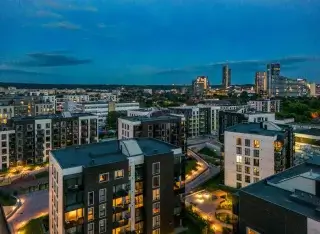 Lithuanian Apartment Prices Accelerate Across Major Cities
 London Flats Lose Value Ahead of Leasehold Reform
 Construction of the Batumi–Sarpi Highway Begins in Georgia
 Baltic Property Investment Accelerates in 2026
 Hong Kong and Singapore Renew Their Expat Rivalry
Tourism & hospitality / Analytics / News / France / United Kingdom / USA / Spain / Portugal / Austria / Germany / Denmark / Ireland 19.01.2026
Europe’s winter season attracts US travelers. US travel demand shifts toward winter

Photo: Unsplash
During the 2025–2026 winter season, Europe is seeing a steady rise in interest from American travelers. Winter trips are increasingly viewed not as an off-peak alternative but as a distinct form of cultural and urban tourism, driven by experience-focused travel and more balanced visitor flows.
Pricing and economic factors support winter travel
Winter offers more predictable pricing for flights and accommodation compared with summer peaks. Supported by strong purchasing power, US travelers perceive winter Europe trips as offering better value, particularly for longer stays and multi-city itineraries.
Major cities anchor winter tourism
London, Paris and Rome remain core destinations for American visitors. Winter travel emphasizes museums, performing arts, gastronomy and neighborhood exploration, helping cities maintain steady tourism revenues while easing congestion pressures.
Southern Europe benefits from climate advantage
Cities such as Madrid, Barcelona and Lisbon are gaining winter momentum thanks to mild weather and strong cultural appeal. These destinations increasingly attract US travelers seeking comfort without sacrificing depth of experience.
Northern and Central Europe offer seasonal atmosphere
Vienna, Copenhagen, Munich and Dublin appeal through winter traditions, design, music and local lifestyle. This form of experience-led tourism encourages longer engagement and supports sustainable travel patterns.
Regional destinations gain visibility
Beyond capitals, secondary cities and regional destinations are seeing increased winter interest. This disperses tourism income more evenly and aligns with national strategies to reduce overconcentration in peak locations.
Economic resilience and employment stability
Winter tourism strengthens year-round economic performance across hospitality, transport and cultural sectors. More balanced seasons reduce reliance on short summer peaks and improve revenue predictability.
According to International Investment experts, the growing preference of US travelers for winter Europe trips signals a long-term shift in travel behavior. Winter is becoming a strategic season that enhances destination resilience, sustainability and long-term competitiveness.