







read also
 Vietnam Mortgage Surge Pushes Homes Out of Reach
 Lithuanian Apartment Prices Accelerate Across Major Cities
 London Flats Lose Value Ahead of Leasehold Reform
 Construction of the Batumi–Sarpi Highway Begins in Georgia
 Baltic Property Investment Accelerates in 2026
 Hong Kong and Singapore Renew Their Expat Rivalry
Asia Hit by Widespread Flight Disruptions
Major hubs under strain
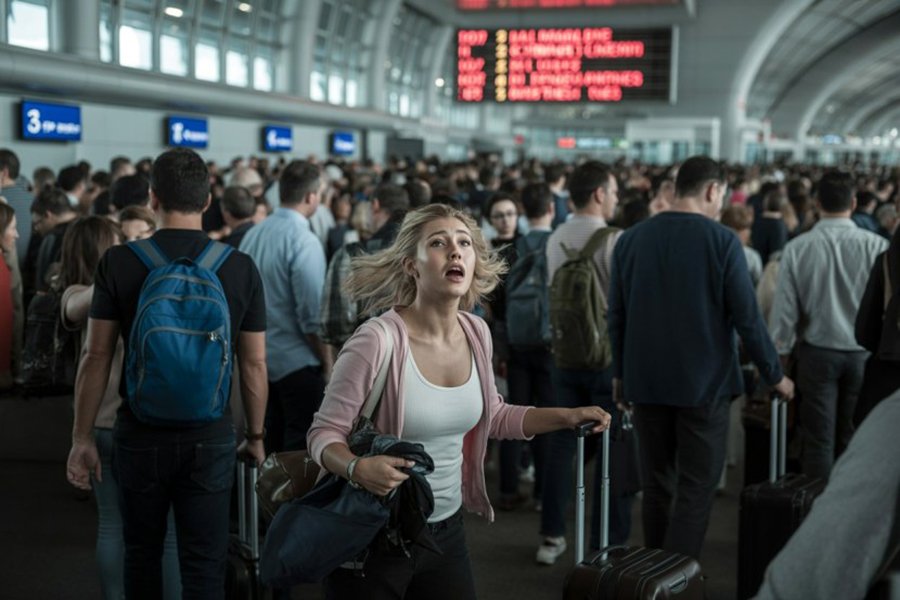
Photo: Travel and tour world
Air travel across Asia faced severe disruption on January 28, 2026, as six countries recorded nearly 3,000 schedule irregularities. Thailand, Japan, Singapore, India, Malaysia and Indonesia collectively logged 2,903 delays and 72 cancellations, leaving thousands of passengers stranded at some of the region’s busiest airports.
Congestion hotspots
Indira Gandhi International Airport in Delhi emerged as the most affected hub, with 696 delays and 17 cancellations. Significant disruption was also reported at Singapore Changi, Kuala Lumpur International, Bangkok Suvarnabhumi, Mumbai and Jakarta. While some airports avoided cancellations altogether, extreme congestion resulted in prolonged delays and missed connections.
Airlines affected across the board
Both low-cost and full-service carriers were impacted. IndiGO recorded the highest number of disruptions, followed by Singapore Airlines, AirAsia group carriers, Scoot and Batik Air. Other major operators, including Air India, Thai Airways, Malaysia Airlines, ANA, Japan Airlines and Garuda Indonesia, also reported notable delays, underscoring the systemic nature of the disruption.
Delays over cancellations
The imbalance between delays and cancellations points to operational congestion rather than mass groundings. Airlines largely opted to hold flights rather than cancel them, highlighting the strain on airport capacity and air traffic management systems as travel demand remains elevated.
Regional ripple effects
Beyond primary hubs, secondary airports such as Tokyo Haneda, Chengdu Tianfu, Phuket and regional Japanese and Chinese airports also experienced operational pressure. This extended the disruption across international and domestic networks throughout Asia.
Conclusion
According to International Investment experts, the scale of Asia’s flight delays highlights growing stress on aviation infrastructure as passenger volumes normalize. For airlines, the disruptions translate into higher costs and operational risk, while for investors, 2026 will increasingly hinge on efficiency, airport capacity and resilience across the aviation sector.