







read also
 Vietnam Mortgage Surge Pushes Homes Out of Reach
 Lithuanian Apartment Prices Accelerate Across Major Cities
 London Flats Lose Value Ahead of Leasehold Reform
 Construction of the Batumi–Sarpi Highway Begins in Georgia
 Baltic Property Investment Accelerates in 2026
 Hong Kong and Singapore Renew Their Expat Rivalry
US Winter Storm Paralyzes Air Travel Nationwide
Major US hubs overwhelmed by cancellations
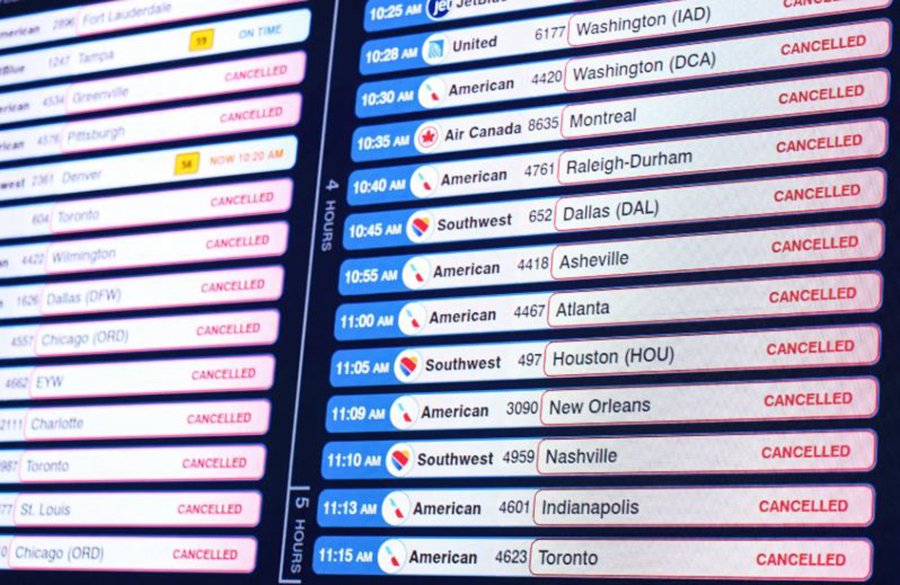
Photo: Bloomberg
Air travel across the United States was thrown into widespread disruption on January 28, 2026, as snow and ice forced airlines to cancel 2,042 flights and delay another 4,277. The scale of disruption stretched far beyond a single region, affecting major hubs including Dallas–Fort Worth, New York, Miami, Salt Lake City, Louisville and dozens of secondary airports across the Northeast, Midwest and South.
Freezing temperatures and heavy snowfall severely constrained airport operations, with de-icing procedures, runway closures and air-traffic flow restrictions compounding delays throughout the day.
Dallas and New York at the center of disruption
Dallas–Fort Worth International Airport emerged as the most heavily affected hub, recording more than 500 cancellations alongside hundreds of delays. In the New York metro area, LaGuardia, JFK and Reagan National airports experienced prolonged ground delays, with average waiting times exceeding one to two hours as snow and ice slowed departures and arrivals.
Other large airports, including Miami International, Boston Logan, Chicago O’Hare, Philadelphia International and Atlanta, also faced sustained operational strain, underscoring the nationwide reach of the weather system.
Airlines struggle to stabilize schedules
American Airlines bore the largest operational impact, accounting for nearly half of all cancellations nationwide, while also reporting hundreds of delayed flights. Delta Air Lines, United Airlines and JetBlue were also significantly affected, with disruptions spanning both short-haul and long-haul domestic routes.
Regional carriers proved especially vulnerable. PSA Airlines, Endeavor Air and Republic Airways each recorded hundreds of cancellations and delays, reflecting the fragility of feeder networks during severe winter conditions.
Ripple effects across the US network
With major hubs constrained simultaneously, delays cascaded across airline networks, disrupting connections between the Northeast, Midwest, Florida and western destinations. Even airports less directly affected by snowfall experienced secondary congestion as aircraft and crews were displaced from their planned rotations.
For passengers, the disruption translated into missed connections, extended airport stays and limited rebooking options as airlines worked to restore schedules.
Conclusion
As International Investment experts note, the January disruption highlights how extreme winter weather can still expose structural vulnerabilities in the US aviation system. When multiple hubs are hit at once, the impact quickly becomes national rather than regional, reinforcing the importance of operational resilience, weather-proof infrastructure and realistic passenger expectations during peak winter travel.