







 Vietnam Mortgage Surge Pushes Homes Out of Reach
 Lithuanian Apartment Prices Accelerate Across Major Cities
 London Flats Lose Value Ahead of Leasehold Reform
 Construction of the Batumi–Sarpi Highway Begins in Georgia
 Baltic Property Investment Accelerates in 2026
 Hong Kong and Singapore Renew Their Expat Rivalry
Nepal’s Tourism Shows Resilient Growth
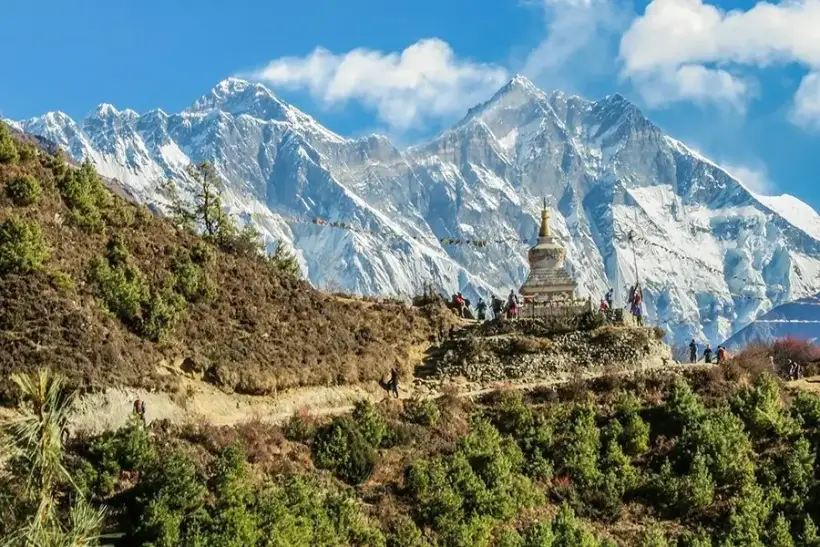
The country welcomed over one million foreign visitors.
Nepal’s tourism sector delivered an unexpected yet meaningful performance in 2025, recording a 1% increase in international arrivals. While modest in absolute terms, the growth carries strategic significance for a country emerging from pandemic disruptions, political uncertainty, and infrastructure constraints. With more than 1.15 million foreign visitors, Nepal has signaled a renewed level of confidence among international travellers.
Post-pandemic recovery gains traction
The increase in arrivals reflects the resilience of Nepal’s tourism model. Despite intermittent protests and operational challenges during the year, the country continued to attract visitors seeking adventure tourism, cultural immersion, and natural landscapes. For a market heavily affected by global travel restrictions in previous years, even incremental growth represents a decisive shift back toward stability.
Airlines expand connectivity to Kathmandu
International air connectivity has been central to Nepal’s tourism rebound. Major carriers from the Middle East and South Asia have increased flight frequencies to Kathmandu, positioning Nepal as an increasingly accessible destination within global travel networks. Expanded services from Doha, Dubai, and major Indian cities have improved access for travellers from Europe, Asia, and North America, reinforcing Nepal’s role as a niche but well-connected destination.
Kathmandu remains the primary gateway
Tribhuvan International Airport continues to serve as Nepal’s main international gateway and has experienced rising passenger volumes in 2025. Expanded airline capacity has been essential to sustaining tourism growth, particularly given the country’s geographical constraints and limited alternative entry points for international visitors.
Hospitality sector adapts to rising demand
The uptick in tourism has translated into improved performance across the hospitality sector. Hotels in Kathmandu and key tourist regions have reported higher occupancy levels, prompting upgrades in service quality and facilities. While international brands strengthen their presence, locally operated hotels and guesthouses remain integral to Nepal’s tourism ecosystem, particularly in trekking and regional destinations.
Growing investor interest in a niche market
Even limited growth has renewed investor interest in Nepal’s tourism and hospitality segments. The country is increasingly viewed as a long-term opportunity focused on sustainable tourism, adventure travel, and cultural experiences rather than mass-market volume. Capacity expansion and asset upgrades are progressing gradually, supporting balanced market development.
What the growth signals for the future
Tourism performance in 2025 suggests Nepal is re-establishing itself within the global travel landscape through resilience rather than scale. Improved air connectivity, stable demand, and cautious infrastructure development provide a foundation for more consistent growth in the coming years.
As reported by International Investment experts, Nepal’s 1% tourism growth in 2025 carries symbolic and strategic weight. It confirms renewed international confidence in the destination and lays the groundwork for sustainable expansion across aviation, hospitality, and tourism-related investment sectors.