









War in the Middle East: Risks for Tourists
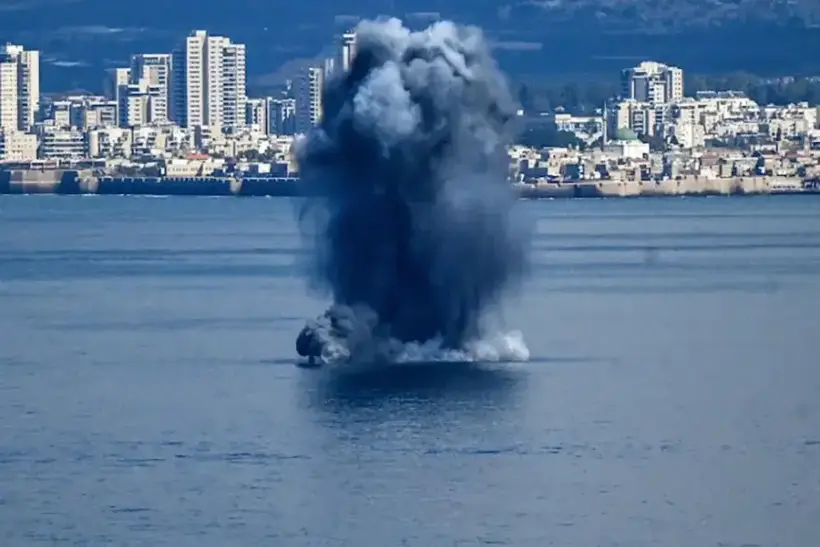
Hostilities spread across Iran, Israel, the UAE and other countries in the region
Military action in the Middle East has spread across several countries in the region and moved beyond a localized confrontation on February 28, 2026. Missile and air strikes are being carried out against targets in Iran, with retaliatory attacks launched against Israel. Explosions have been reported in Gulf states, including the UAE: in Dubai, missile debris hit a hotel. Air traffic has been suspended, and the expansion of hostilities creates direct risks for tourists and international travel.
Scale and dynamics of the military operation
On February 28, Israel carried out a strike near the offices of Iran’s Supreme Leader Ali Khamenei. Shortly afterwards, the United States officially confirmed the launch of joint large-scale military operations against the country, ABC News reports.
According to Iranian agencies, explosions were reported in Tehran, Bushehr, Tabriz, Dezful, Nahavand, on Khark Island, as well as in Isfahan, Ilam and Qom. Cyberattacks on Iranian media outlets and a near-total internet shutdown were also reported: according to NetBlocks, internet activity in the country dropped to around 4% of normal levels.
Possible targets were said to include senior officials, military facilities and infrastructure. Reuters reports that Iranian Defence Minister Amir Nasirzadeh and Islamic Revolutionary Guard Corps commander Mohammad Pakpour may have been killed in the Israeli strikes.
Iran’s response: hotel on fire in Dubai
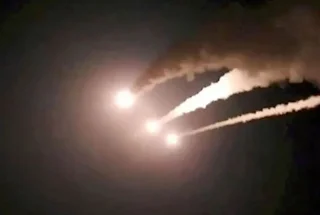
Iran’s response followed within hours. Several waves of missiles were launched toward Israeli territory, a significant number of which were intercepted by air defence systems. Strikes were then carried out against U.S. military bases in Qatar, Kuwait, the UAE, Jordan and Bahrain.
In the Emirates, authorities reported one fatality in Abu Dhabi. Between 5 and 15 explosions were recorded in the skies over Dubai, according to various sources. One missile was intercepted over the five-star Atlantis The Royal hotel on the artificial Palm Jumeirah island, Shot reports. Guests were asked not to leave their rooms. Later reports indicated that the Fairmont The Palm hotel was on fire. Footage shows missile debris piercing the roof of a terrace structure.
Suspension of air traffic
The military escalation has led to the large-scale closure of airspace across the Middle East. Iran, Israel and several other countries in the region suspended flights, and civilian aircraft largely vacated air corridors over the conflict zone. International airlines began mass cancellations and rerouted flights, while transit through key Gulf hubs was disrupted.
Major European and Middle Eastern carriers suspended flights to Tel Aviv, Dubai, Abu Dhabi, Doha and other cities. Aircraft already airborne were turned around or diverted, and flight maps showed near-empty skies over Iran and large parts of the region.
According to the Associated Press, more than 700 flights were cancelled at major regional airports, causing serious disruptions to international routes and complicating transit between Europe and Asia.
Russian tourists in the Middle East
More than 50,000 Russian citizens are currently in Middle Eastern countries where the military escalation is unfolding. No casualties among Russian nationals have been reported. The largest number — about 50,000 — are in the UAE, with approximately 2,000 each in Qatar and Bahrain.
There are currently no organized Russian tourist groups in Iran. The embassy advises citizens to avoid military and government facilities, refrain from photo and video recording, and, if possible, leave the country via Azerbaijan or Armenia while exercising heightened caution.
Diplomatic missions recommend limiting movement, monitoring official notifications and maintaining contact with tour operators and local hosts. Transit passengers are advised to take into account possible delays and schedule changes.
Impact on tourism
The escalation is already directly affecting the tourism sector. Airspace closures, flight cancellations and instability in several regional countries make travel to the Middle East and transit through local hubs highly risky.
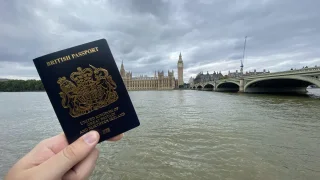
The UK authorities have urged those in the UAE to follow shelter guidance and monitor official notifications, as well as reconsider travel plans to the region. Canada has advised its citizens to leave Iran if possible and highlighted the closure of the country’s airspace.
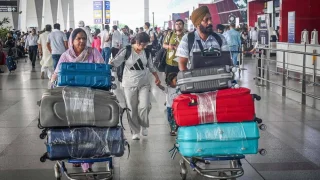
According to Reuters, mass flight cancellations and the closure of air corridors are hindering the departure of tourists from the conflict zone and complicating transit through major Gulf hubs.
Analysts at International Investment note that travel to Iran and Israel is крайне небезопасны in the current conditions. Elevated risks also remain for tourists in Gulf countries, including the UAE, Qatar and Bahrain, where missile interceptions and temporary restrictions have been recorded. Situation reports indicate potential threats to tourist areas. The situation remains tense, and decisions to close airports or introduce additional restrictions may be taken at short notice.
Travelers are advised to monitor official government warnings, check flight status before heading to the airport and have an alternative travel plan in case of further restrictions.