







 China Nears a Decision on Fresh Stimulus
 Fines for Illegal Rentals in Spain Reach €800,000
 Australia’s Spring Auctions Rise but Remain Well Below 2025
 Number of Foreigners Holding Turkish Residence Permits Exceeds 1.27 Million
 Demand from Russian Tourists for Holidays in Georgia Rises by 20–25%
 Montenegro Property Buying Costs in 2026
Hungary Cancels Schengen Visas of Russian Citizens
RST
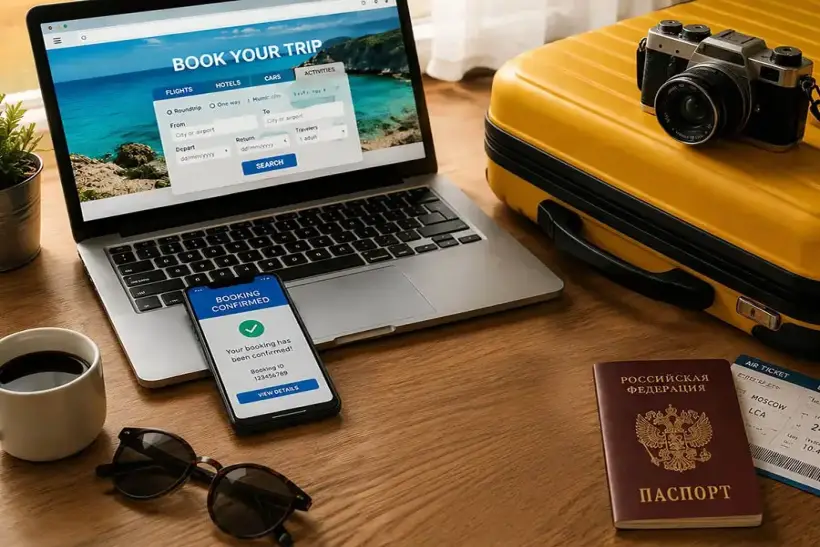
The Hungarian Consulate has started cancelling Schengen visas issued to Russian citizens more frequently after checking hotel bookings, Terravia reports. Changes to the declared travel itinerary can also lead to negative consequences. Some travellers only discover problems when they attempt to leave the country.
How Russians Lose Hungarian Schengen Visas
When applying for a Hungarian visa, applicants provide their travel itinerary, hotel reservations and flight tickets. After receiving the permit, some travellers cancel their accommodation bookings or purchase tickets to other Schengen countries. This has led to additional checks by the Hungarian Consulate.
If discrepancies are found, visa holders may receive a notification stating that their visa no longer allows entry. Some travellers learn about the issue only before departure. There have been cases where passengers were denied travel during transit in third countries, such as Istanbul, despite not receiving any prior notification about a change in their visa status.
Such incidents involving Hungarian visas have become more frequent recently, but checks on whether actual trips correspond to declared itineraries are not a new practice. Earlier, the Hungarian Consulate warned travel companies that applicants’ trips were being monitored, including verification of actual hotel check-ins. Similar checks have also been carried out by consulates of other Schengen countries, including Greece.
Changes in Europe’s Visa Policy
The Russian Union of Travel Industry (RST) confirmed reports of Hungarian Schengen visa cancellations. Yegor Kail, head of the Visantium visa agency, said the number of such cases has increased recently, although there have been no mass complaints. He linked the trend to changes in visa practices and the heavy workload faced by consulates during the summer season.
Changes to travel plans may be viewed by consulates as misuse of the visa procedure. “The state spends resources reviewing an application, expecting that the traveller will visit the country that issued the visa, but eventually the trip takes place in another country. Therefore, stricter controls by some consulates are understandable,” the expert explained.
It is also worth noting that the EU continues to discuss initiatives to tighten rules for Russian citizens — from travel bans for participants in the war in Ukraine to a complete suspension of Schengen visa issuance. Some countries have already introduced restrictions at the national level. For example, Estonia has denied entry to around 2,000 people. No EU-wide changes to the rules have been introduced so far.
How Tourists Can Reduce Risks with Schengen Visas
Experts advise travellers not to change the conditions of their trip stated in the visa application without a valid reason after receiving a Schengen visa. In particular, they recommend keeping the hotel reservation submitted with the application. Travellers should preferably enter through the country that issued the permit and spend most of their trip there. Visiting other Schengen countries is allowed, but the main destination should remain the country whose consulate issued the visa.
If the itinerary has to be changed for objective reasons, travellers should keep documents confirming the circumstances. This can help explain differences between the original plans and the actual trip if questions arise from consular authorities or border officials.
The Russian Union of Travel Industry also advises caution when considering offers to obtain a visa from a country that the traveller does not initially intend to visit. Using such schemes may result in the cancellation of the permit and problems during the trip.
The validity of a document can be checked independently through the EES system, which is used to monitor entries and exits within the Schengen Area.