







 Fines for Illegal Rentals in Spain Reach €800,000
 Australia’s Spring Auctions Rise but Remain Well Below 2025
 Number of Foreigners Holding Turkish Residence Permits Exceeds 1.27 Million
 Demand from Russian Tourists for Holidays in Georgia Rises by 20–25%
 Montenegro Property Buying Costs in 2026
 Four in Ten Companies Would Not Choose Slovakia
Kazakhstan plans to introduce electronic entry permits
Caravanistan
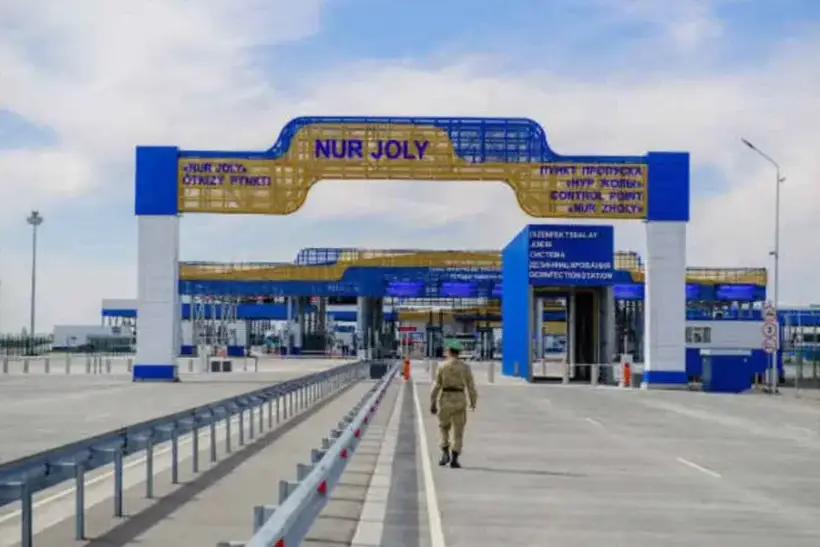
Kazakhstan plans to introduce electronic entry permits for foreigners. The relevant draft government resolution was prepared by the Ministry of Internal Affairs of the republic. The document has been published for public discussion on the Open NPA portal.
New entry rules for Kazakhstan
According to the Kazinform agency, the initiative was developed as part of President Kassym-Jomart Tokayev’s instructions to modernize and digitalize control procedures. The initiative is also linked to the implementation of Article 6 of the Law of the Republic of Kazakhstan “On Population Migration.”
The draft provides not only for the introduction of entry permits for foreigners but also for adjustments to the terminology used in accordance with the current provisions of the Constitution of Kazakhstan. The Ministry of Internal Affairs believes that introducing an electronic format will improve the transparency of migration flow records and make the digital platform more efficient. The public discussion of the initiative will continue until August 17, 2026.
If approved, the new system will be introduced gradually from August to December 2026. During this period, border infrastructure and checkpoints will be adapted to the new format. A differentiated fee for electronic permits is planned, although the amounts have not yet been disclosed. The Ministry of Internal Affairs explained that the funds collected will be used for technical maintenance of the system, modernization of digital infrastructure, and personal data protection.
Stricter rules for obtaining a residence permit in Kazakhstan
Kazakhstan has already changed the procedure for obtaining a residence permit, making it more complex and multi-stage. The new rules are being implemented on a pilot basis until the end of 2026. They apply to those seeking permanent residence authorization, a residence permit valid for up to 10 years, and the “kandas” status.
Foreigners are now required to undergo digital verification, pass a Kazakh language test, complete an expanded questionnaire, and undergo an “immigration potential” assessment. The scoring system takes into account age, education, language skills, professional qualifications, and work experience. Applicants must score at least 400 points to pass the selection process.
After that, applicants undergo checks by law enforcement agencies and the National Security Committee, followed by an interview. Only after successfully completing all stages can they submit documents for obtaining the relevant status.
One of the new requirements is proof of financial capacity: applicants must have at least 5.7 million tenge (around $12,000) in a Kazakh bank account.
The new rules do not apply to certain categories of foreigners, including digital nomads and specialists in high-demand professions. Extensions of already issued residence permits will continue under the previous procedure.
Changes in Kazakhstan’s migration policy
Earlier, Kazakhstan’s authorities announced a transition to a new migration policy model aimed at attracting investors, qualified specialists, and talent. On April 30, President Kassym-Jomart Tokayev signed a decree providing for large-scale digitalization of all processes and a shift away from the previous permit-and-quota system toward a more incentive-based approach. The government has been instructed to complete the implementation of the planned measures by the end of 2026.
The reform includes a revision of the visa system and the introduction of new formats. New permits will be available for the following categories:
- investors and members of boards of directors;
- participants in investment projects;
- qualified employees;
- scientists and doctors;
- representatives of the cultural sector;
- graduates of leading foreign universities.
A key element of the new system will be the “Altyn Visa,” designed for investors and highly demanded specialists. For IT professionals, the processing period may be around one month. Holders of this visa will receive expanded access to government services comparable to the rights of Kazakhstan’s citizens.
Conclusion
Analysts at International Investment note that Kazakhstan has been gradually tightening regulations for foreigners. In recent years, authorities have changed visa-free stay rules and introduced restrictions on the period that must pass before a new visa-free entry. Requirements for residence permits and citizenship have also been revised several times. Restrictions have also appeared in the procedures for obtaining individual identification numbers and accessing banking services.
The introduction of entry permits would effectively end the visa-free regime, which foreigners planning trips to Kazakhstan should take into account. Trends toward changes in migration policy can be observed in many countries around the world. In Kazakhstan, they are more noticeable due to the very liberal conditions that existed previously.
For foreigners, this means a transition from free entry to a more regulated system, where new requirements and procedures will need to be taken into account in advance. However, the final parameters of the changes will depend on the outcome of the draft’s approval process and the timing of its implementation.