









Montenegro to Introduce Visas for Russians and Belarusians from October 1
DAN
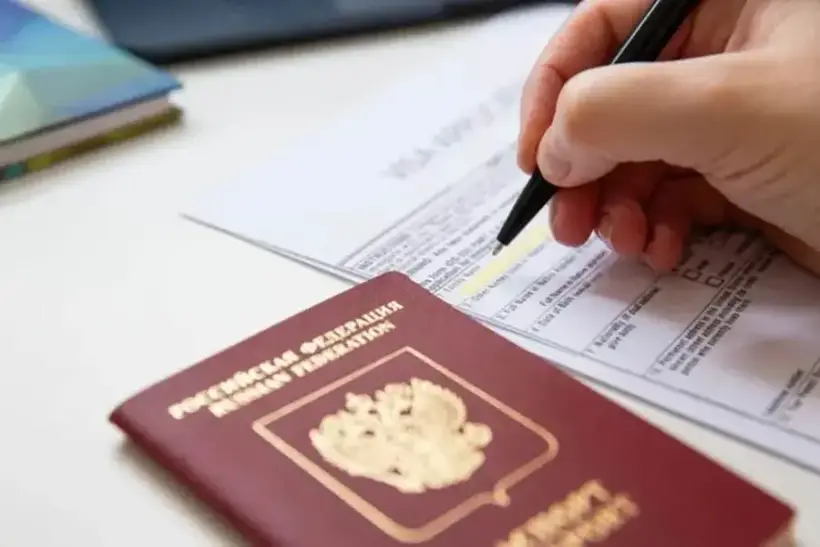
Montenegrin authorities may soon decide to introduce a visa regime for citizens of Russia and Belarus. The measure will become part of the country’s gradual alignment of its visa policy with the requirements of the European Union, according to the DAN newspaper.
Montenegro’s Visa Policy Reform as Part of EU Integration
Currently, citizens of Russia, Belarus, and Peru can stay in Montenegro without a visa for up to 30 days under existing international agreements on mutual travel. A similar regime applies to citizens of Turkey and Saudi Arabia. A Montenegrin government regulation dated April 30, 2026, also states that citizens of Azerbaijan can enter the country without a visa for up to 30 days until January 15, 2026.
Montenegro must align its visa policy with EU rules by the end of 2027. This means gradually introducing visas for citizens of countries whose nationals require visas to enter the European Union. The first stage of the reform will involve introducing visas for Russian and Belarusian citizens. The government may adopt the relevant decision soon, with the new rules expected to take effect on October 1, 2026.
During the second stage, planned for completion by the end of December, stricter entry rules are expected to apply to Turkey. Later, restrictions may gradually extend to citizens of China, the UAE, Qatar, Bahrain, and other countries. Overall, Montenegro plans to terminate visa-free agreements with at least one country every year. The initial list includes 11 states whose visa policies are currently not aligned with EU requirements.
How Montenegro Visas Will Be Issued
Montenegro plans to organize the visa issuance process with the involvement of VFS Global, an international company specializing in the outsourcing of visa and consular services. The company works with most Schengen Area countries and other governments worldwide. Typically, applicants submit biometric data at VFS Global visa centers, after which applications and supporting documents are forwarded to relevant diplomatic missions that make the final decision on visa issuance.
As part of preparations for future accession to the Schengen Area, Montenegro must begin collecting biometric data in line with European requirements by December this year. Full alignment of the country’s visa policy with EU standards is expected after Montenegro joins the EU, but authorities have already started gradually adapting legislation.
Montenegro aims to become the 28th member of the European Union by 2028. The country has currently closed 12 out of 33 negotiation chapters and plans to accelerate the accession process over the next two years. Prime Minister Milojko Spajic has confirmed the government’s readiness to comply with EU requirements, including bringing visa policy in line with European standards.
Impact on Montenegro’s Tourism and Economy
The transition to a new visa policy could affect countries that traditionally play an important role in Montenegro’s tourism industry. In 2024, Russians accounted for almost 20% of the country’s international tourist arrivals, or around 230,000 visitors. According to Monstat data, in 2025 Russian citizens accounted for 16.4% of all overnight stays by foreign tourists in Montenegro, ranking second after visitors from Serbia. This was achieved despite existing sanctions and the lack of direct air connections.
In addition, around 21,000 Russian citizens live in Montenegro, and approximately a quarter of companies with foreign capital are linked to Russia. Turkey also remains an important market for Montenegro. Last year, Turkish tourists accounted for 4.3% of all foreign tourist overnight stays. The country is also home to 13,396 Turkish citizens.
Conclusion
International Investment analysts note that introducing visas for Russians could have a mixed impact on Montenegro. On the one hand, restrictions on visa-free entry could negatively affect tourist flows and the country’s economy. On the other hand, meeting EU requirements would provide access to funding under the Growth Plan, through which Montenegro expects to receive around €400 million.
A year ago, Montenegrin authorities postponed the introduction of visas, but they are now preparing for a possible decline in Russian tourist arrivals and looking for new markets. However, replacing this segment quickly has so far proven difficult. The introduction of visas could have a particularly strong impact on coastal regions, whose economies largely depend on the summer season. For Russian tourists, whose opportunities for holidays in Europe have already significantly decreased in recent years, the new rules would become another restriction.