







 Oman Eases Residency Rules for Foreign Property Owners
 Hotel Guest Numbers in Georgia Rose by 6.5%
 Turkey Is Losing Its Cheap-Holiday Advantage
 Development Is Rewriting Southeast Asia’s Historic Districts
 How Ukraine’s New-Build Housing Market Has Changed Over Four Years
 European Prime Rents Rise as Property Yields Turn Higher
Iran and US Resume Hostilities
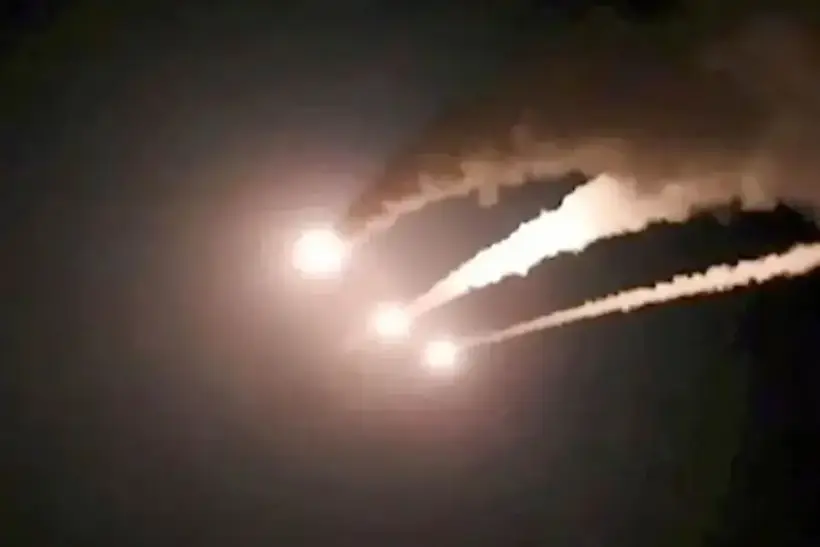
For the first time since late July, the United States carried out a strike on Iranian territory, targeting two launchers on Larak Island in the Strait of Hormuz. After a month-long pause, direct hostilities between the two sides intensified again. Tehran responded by striking US forces in Jordan, according to American sources cited by Reuters.
New Attacks in the Middle East
Larak Island
US forces struck two Iranian launchers on August 30. An unnamed US official told Reuters that units of the Islamic Revolutionary Guard Corps were preparing to launch rockets carrying sea mines into the Strait of Hormuz. Iran’s semi-official Tasnim news agency reported that a drone was used in the strike.
The Islamic Revolutionary Guard Corps said the attack killed and wounded military personnel and civilians but did not specify the number of casualties. Tehran also warned that the strike would be met with a “response and punishment.”
Bases in Jordan
Iran attacked US military facilities in Jordan. The Islamic Revolutionary Guard Corps said it had carried out a combined attack using ballistic missiles and drones against the King Hussein and Al-Azraq bases. According to Tehran, the targets included technical and maintenance infrastructure as well as areas where combat aircraft were stationed.
Jordanian air defense systems intercepted eight missiles launched from Iranian territory. The IRGC claimed that significant damage had been inflicted on US facilities, while American sources said the attack had caused no serious consequences.
Risks to the Strait of Hormuz
The attack on Larak was the first US operation against targets in Iran since late July. The intensity of hostilities had declined in recent weeks, although tensions remained high, with Washington continuing to pressure Tehran and threatening sanctions against countries supporting Iran.
Last week, US President Donald Trump said all mines in the international waters of the Strait of Hormuz had been detonated or removed. Tehran was also warned that vessels attempting to lay new mines would be destroyed. The US linked the operation on Larak directly to this threat, saying Iranian forces were preparing to launch rockets carrying sea mines.
The Strait of Hormuz remains one of the world’s most important energy trade routes. Before the conflict, about one-fifth of global oil supplies passed through the waterway. Hostilities have led to a blockade of the route, meaning any new attempts to deploy mines create additional risks for shipping and commodity supplies.
Six Months of US-Iran Confrontation
Hostilities began on February 28 with large-scale US and Israeli attacks on Iran. Washington said the operation was aimed at preventing Tehran from acquiring nuclear weapons, limiting the development of its missile program and reducing threats to US forces and allies in the region. Iran denied seeking to develop nuclear weapons. Following the initial attacks, Tehran launched retaliatory missile and drone strikes against Israel and Gulf states hosting US military bases.
The confrontation later spread to other countries in the region, disrupted shipping through the Strait of Hormuz and affected air travel. Thousands of people have been killed over the past six months, while millions have been displaced. The US military death toll has reached 18. The intensity of clashes had declined in recent weeks, but the attack on Larak and Iran’s subsequent response showed that the two sides had returned to direct hostilities after a prolonged pause.
What This Means for Tourists and Investors
Analysts at International Investment note that the resumption of direct attacks increases travel risks across Gulf states. During the first six months of the conflict, airlines repeatedly canceled and rescheduled flights and rerouted services because of airspace restrictions and security concerns. Passenger traffic at Dubai International, the region’s largest aviation hub, fell by 31.3% in the first half of the year. A renewed escalation could lead to further schedule changes, longer journey times and higher airfares as fuel costs rise.
For investors, the situation around the Strait of Hormuz remains the key factor. Following the attack on Larak, Brent crude rose by more than 2% to above $90 per barrel. Shipping restrictions have already increased transport and insurance costs, while Gulf states have accelerated investment in ports, pipelines and alternative export routes. Continued hostilities could keep energy prices highly volatile and push logistics costs higher, while also strengthening investor interest in infrastructure projects designed to reduce dependence on the Strait of Hormuz.