







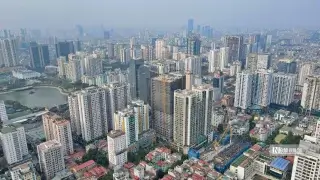
 Vietnam Mortgage Surge Pushes Homes Out of Reach
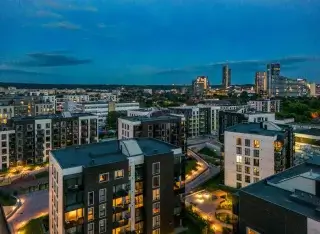 Lithuanian Apartment Prices Accelerate Across Major Cities
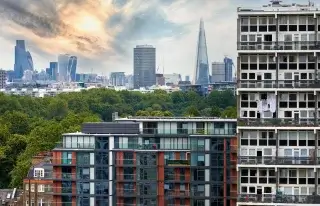 London Flats Lose Value Ahead of Leasehold Reform
 Construction of the Batumi–Sarpi Highway Begins in Georgia
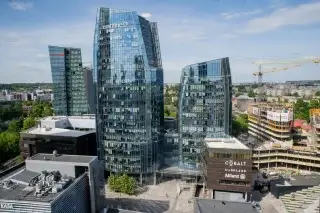 Baltic Property Investment Accelerates in 2026
 Hong Kong and Singapore Renew Their Expat Rivalry
Dubai Real Estate Deal Closures May Slow Amid Uncertainty
Geopolitical tensions weigh on deal momentum
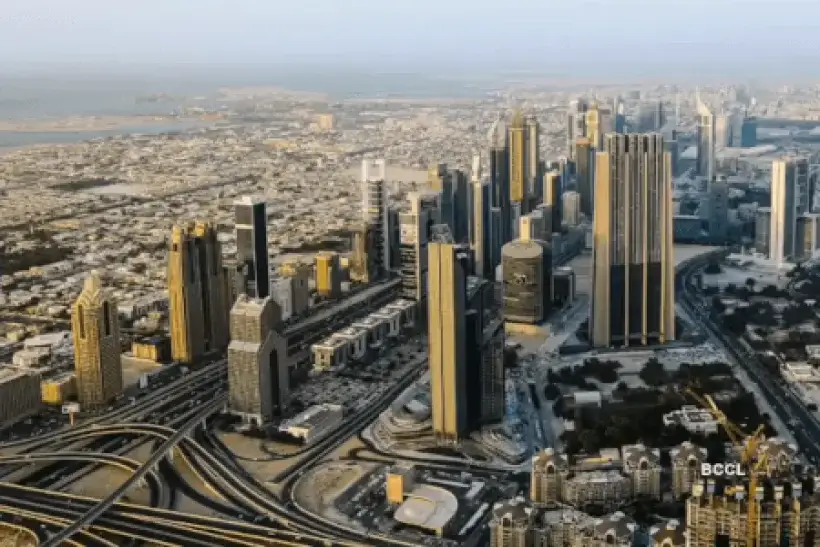
Dubai’s real estate market, long recognised as a global investment hub with robust growth, is experiencing a shift in transaction dynamics amid heightened geopolitical conflict in the Middle East. Brokers and industry insiders warn that if the conflict persists or intensifies, the timeline for closing real estate deals in the emirate could lengthen significantly. Buyers are increasingly pausing purchase decisions until there is greater clarity, while some previously agreed transactions are being renegotiated or withdrawn.
Transaction flows slow as buyers adopt cautious stance
Although construction activity across Dubai remains uninterrupted, deal closures have visibly slowed. Market participants attribute this not to underlying market weakness but to sentiment-driven caution among domestic and international buyers. Even in the high-end residential segment, traditionally viewed as more resilient to short-term volatility, buyers are seeking more detailed assurances before committing significant capital, reflecting amplified risk sensitivity.
Fundamental appeal of Dubai property remains strong
Despite temporary softening in transaction velocity, the fundamental drivers of demand for Dubai real estate continue to hold. The emirate’s favourable tax regime, strategic geographic position and role as a global business and lifestyle centre underpin continued interest from global investors. Recent periods of high transaction volumes and record sales values illustrate the market’s long-term resilience and appeal.
Regulatory environment supports investor confidence
Dubai’s regulatory framework, including stringent property registration and buyer protection mechanisms, helps sustain market stability even during periods of external pressure. Key institutions such as the Dubai Land Department (DLD) and the Real Estate Regulatory Authority (RERA) oversee property transfers and ownership registration, maintaining transactional transparency and legal safeguards that support long-term investor confidence.
As reported by experts at International Investment, the current delays in closing property transactions in Dubai may represent more than a temporary pause driven by geopolitical uncertainty. If tensions persist, the market could enter a more pronounced adjustment phase. After several years of record-breaking sales volumes and rapid price growth, Dubai’s property sector has become increasingly sensitive to shifts in global capital flows and investor sentiment.
A prolonged conflict scenario may lead to widening price discounts, renegotiated valuations and a growing pipeline of postponed or restructured developments. The premium segment, which relies heavily on discretionary international investment, could prove particularly vulnerable to volatility. Should uncertainty remain elevated, transaction timelines may extend further, liquidity could tighten and price stability may face a more meaningful stress test than the market has experienced in recent years.