







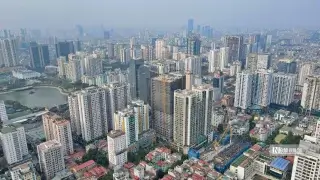
 Vietnam Mortgage Surge Pushes Homes Out of Reach
 Lithuanian Apartment Prices Accelerate Across Major Cities
 London Flats Lose Value Ahead of Leasehold Reform
 Construction of the Batumi–Sarpi Highway Begins in Georgia
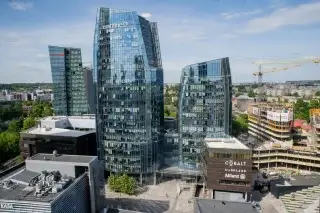 Baltic Property Investment Accelerates in 2026
 Hong Kong and Singapore Renew Their Expat Rivalry
Brent Surges as Hormuz Risk Shakes Markets
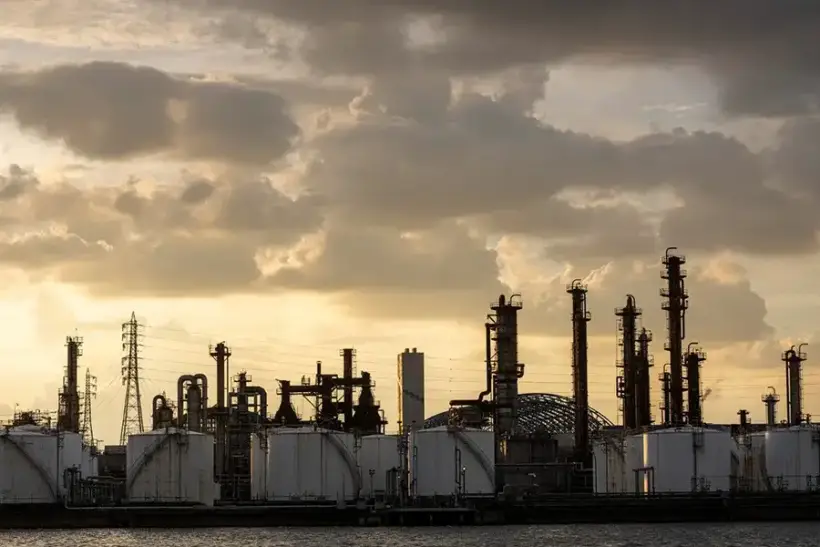
The Strait of Hormuz Back in Focus
Early March 2026 proved tense for global markets. Brent crude rose by more than 14% over a short period amid concerns that escalating conflict in the Middle East could affect shipping through the Strait of Hormuz.
Around 20% of global oil and petroleum product supplies — roughly 20 million barrels per day — pass through this narrow maritime corridor. Alternative routes are limited, so even discussions of potential disruptions are quickly reflected in prices.
There has been no actual closure of the strait. However, markets react to risk. Higher tanker insurance premiums, slower traffic, or security threats are enough for prices to begin factoring in a worst-case scenario.
Is a $100 Per Barrel Scenario Possible
Amid rising tensions, analysts have once again begun discussing the possibility of oil climbing above $100 per barrel if instability persists and evolves into a prolonged phase.
For the global economy, this would mean renewed inflationary pressure. Higher oil prices directly affect logistics, aviation, manufacturing, and consumer goods. Central banks face a difficult balancing act: premature policy easing could fuel inflation, while tightening could slow economic growth.
Equity markets are already showing increased volatility. Investors are reducing exposure to riskier assets and increasing allocations to defensive instruments. The situation highlights how sensitive the global system remains to infrastructure chokepoints.
Why Markets Are Reacting So Sharply
This is not just about oil. Energy shocks almost always trigger a chain reaction. Market participants are pricing not only physical supply disruptions but also secondary effects — higher transport costs, pressure on the budgets of importing countries, and shifting inflation expectations.
Even without an actual blockade of the strait, a rise in the geopolitical risk premium is enough to push prices beyond what supply-demand fundamentals alone would suggest.
Seeking Resilient Formats During Conflict
In periods like this, investors tend to focus on assets with clear operating models and stable cash flow. The priority shifts from short-term price appreciation to income stability.
Against this backdrop, the hotel real estate market in countries not directly involved in the conflict is increasingly discussed. Georgia, in particular, remains oriented toward Black Sea tourism flows and regional demand.
One project under consideration by investors is Wyndham Grand Batumi Gonio — a branded hospitality complex located on the coast. The format allows private owners to participate in a hotel model with structured income terms.
Markets Are Shaken — And This Is Becoming Structural
Brent’s more than 14% surge over a short period demonstrates how quickly geopolitics can influence the economy. Volatility is returning not as an exception, but as a recurring feature of the market.
Unlike commodity markets, where prices shift daily in response to headlines, certain real assets may offer a more stable income structure — provided transparency and genuine demand support the model.
As reported by experts at International Investment, the current situation serves as a reminder that markets no longer operate in a phase of linear growth. Any regional conflict immediately affects oil prices, inflation expectations, and investment flows. In this environment, diversification should focus on assets located in countries not directly involved in the conflict. Attention should be paid to management quality, legal structure, and a project’s ability to withstand external shocks.