












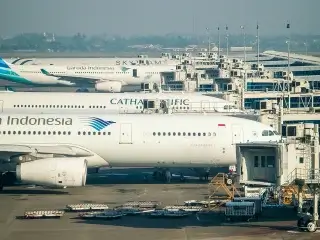
Dubai flight suspensions disrupt global travel routes
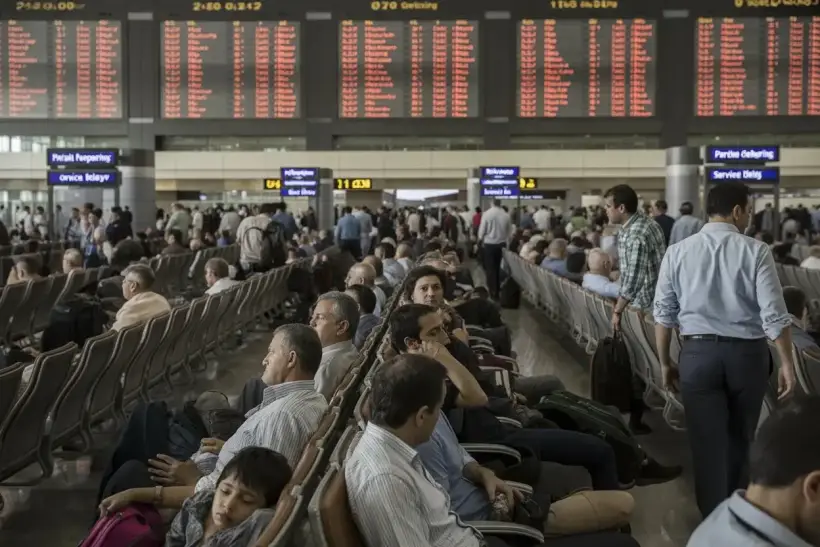
Major airlines halt services from one of the world’s busiest hubs
The suspension of flights from Dubai by several major international airlines has disrupted global travel networks and left thousands of passengers from Europe, North America and Asia facing uncertainty.
The Netherlands, the United Kingdom, Canada, Germany, France and Hong Kong are among the countries whose citizens have been affected after airlines including KLM, British Airways, Virgin Atlantic, Air Canada, Lufthansa, Air France and Cathay Pacific paused operations to the Gulf hub.
Dubai serves as one of the world’s most important aviation transit points connecting Europe, Asia, the Middle East and North America. Even a temporary suspension of flights has significant consequences for international travel routes.
Dutch travellers affected by KLM suspension
Travellers from the Netherlands were significantly affected after KLM suspended flights between Amsterdam and Dubai. The airline indicated that services may resume no earlier than March 28, 2026.
Dubai is widely used by Dutch passengers as a gateway to destinations across Asia and the Middle East. As a result many travellers are now rerouting through alternative hubs such as Istanbul, Doha or other European airports.
UK passengers face changes after airline suspensions
Passengers travelling from the United Kingdom have also faced disruptions after British Airways suspended flights to Dubai until at least the end of March. Virgin Atlantic also confirmed that its seasonal service to Dubai will not resume until October 2026.
Dubai is one of the most popular long-haul destinations for British travellers and an important transit hub for journeys to Asia and Australia. The suspension has forced many passengers to rapidly modify their travel plans.
Canada redirects international travel routes
Canadian travellers were also affected after Air Canada suspended flights to Dubai until at least March 28, 2026. The airline has also paused services to Tel Aviv until early May.
Dubai previously served as a key transit hub for Canadian passengers traveling to Asia, Africa and the Indian subcontinent. Airlines are now redirecting passengers through alternative hubs across Europe and Asia.
Germany and France temporarily halt Gulf routes
Germany’s Lufthansa has temporarily suspended flights to Dubai and Abu Dhabi, with a possible resumption expected in mid-March depending on operational conditions.
Air France also paused its Dubai services temporarily as airlines reassess schedules and airspace conditions. These decisions have affected both business travellers and tourists who rely on Dubai as a major transfer point.
Hong Kong extends flight suspensions
Cathay Pacific has extended the suspension of passenger and cargo flights to Dubai and Riyadh until at least the end of March.
For travellers from Hong Kong and other parts of East Asia, Dubai is a major gateway to Europe and Africa. As a result many passengers are rerouting through alternative hubs such as Singapore and Bangkok.
Dubai remains a critical global aviation hub
The disruption highlights the central role Dubai plays in global aviation networks. The emirate’s airports serve tens of millions of passengers each year and function as a bridge between continents.
When international carriers suspend operations to such a major hub, the consequences spread across multiple regions, causing delays, longer travel times and route changes.
Passengers seek alternative global hubs
Travellers affected by the disruptions are increasingly exploring alternative routes through other international hubs such as Istanbul, Doha, Abu Dhabi and major European airports.
Airlines have introduced flexible rebooking and refund policies to help passengers adjust their travel plans while monitoring the evolving situation.
Global tourism and aviation feel the impact
Industry analysts say disruptions affecting a key transit hub like Dubai can have ripple effects across global tourism and business travel networks.
As geopolitical risks influence travel routes, investors and travellers increasingly explore destinations with expanding aviation infrastructure and stable connectivity.
Georgia has emerged as one such market where tourism continues to grow rapidly alongside expanding airport infrastructure and new international routes. Cities such as Tbilisi and Batumi are attracting increasing numbers of international visitors and airlines.
As International Investment experts note, disruptions in global aviation periodically redirect tourism flows toward emerging destinations. In this environment Georgia continues to demonstrate strong tourism growth, expanding infrastructure and rising international investor interest.