







 Vietnam Mortgage Surge Pushes Homes Out of Reach
 Lithuanian Apartment Prices Accelerate Across Major Cities
 London Flats Lose Value Ahead of Leasehold Reform
 Construction of the Batumi–Sarpi Highway Begins in Georgia
 Baltic Property Investment Accelerates in 2026
 Hong Kong and Singapore Renew Their Expat Rivalry
US mortgage rates rise to 6.19%
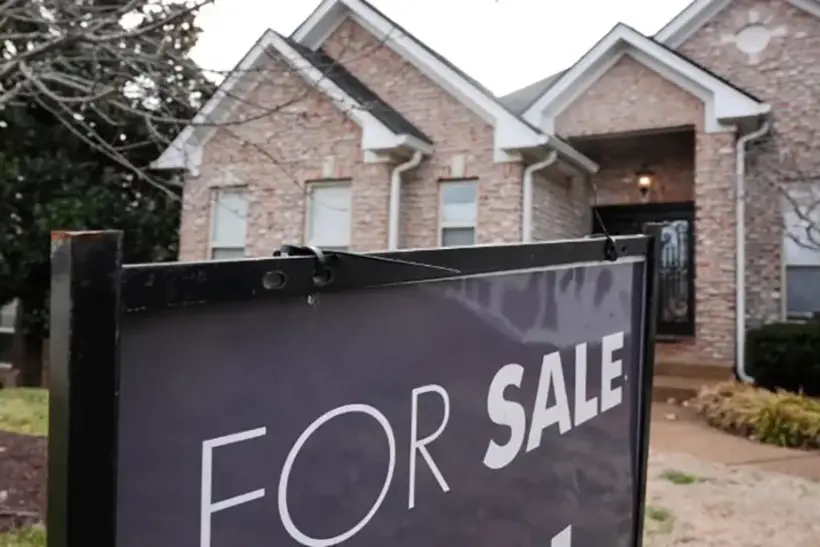
Mortgage rates in the United States have moved higher again, reaching 6.19% in the largest weekly increase since September. The jump in borrowing costs represents a new challenge for the U.S. housing market, which had recently begun to show signs of recovery after a period of elevated rates and weak buyer demand.
Mortgage rates rebound after recent decline
The average rate for a 30-year fixed mortgage climbed to about 6.19%, marking the biggest weekly rise in roughly six months. The increase follows a period earlier in 2026 when borrowing costs gradually declined and briefly fell below the key psychological level of 6%.
Earlier in the year, rates had reached their lowest levels since 2022, helping stimulate housing activity and refinancing demand. However, changing market conditions and rising bond yields have since pushed mortgage rates upward again.
Mortgage rates are not directly set by the Federal Reserve but are heavily influenced by long-term Treasury yields, inflation expectations and broader financial market conditions.
Geopolitical tensions push borrowing costs higher
Recent volatility in financial markets, partly linked to geopolitical tensions and rising energy prices, has contributed to upward pressure on mortgage rates. Higher oil prices and inflation concerns have pushed government bond yields higher, which tends to translate into higher mortgage borrowing costs.
Even small increases in mortgage rates can significantly affect monthly payments for homebuyers, making housing less affordable in markets where prices remain elevated.
Housing market remains sensitive to borrowing costs
The U.S. housing market has proven highly sensitive to mortgage rates over the past several years. During the period of ultra-low interest rates in 2020 and 2021, home demand surged, while subsequent rate increases sharply reduced affordability and slowed sales.
Although rates have increased again, they remain below the peaks recorded in 2023 when mortgage rates climbed above 7.5%. This means financing conditions are still somewhat more favorable than during the height of the tightening cycle.
Economists say the future trajectory of mortgage rates will depend largely on inflation trends, Federal Reserve policy decisions and broader economic conditions.
Outlook for the US housing market
Higher mortgage rates could slow the recovery of the housing market, especially ahead of the spring home-buying season, which traditionally sees increased demand.
Still, many analysts believe that if mortgage rates stabilize around the 6% range, the market may gradually regain balance. Buyers, lenders and developers are closely watching interest-rate signals as they shape financing conditions and housing affordability.
As experts at International Investment note, the latest rise in mortgage rates highlights how sensitive the U.S. housing market remains to global financial and geopolitical factors. According to analysts, a mortgage rate environment near 6% could become the new equilibrium for the U.S. housing sector in the coming years.