







 Vietnam Mortgage Surge Pushes Homes Out of Reach
 Lithuanian Apartment Prices Accelerate Across Major Cities
 London Flats Lose Value Ahead of Leasehold Reform
 Construction of the Batumi–Sarpi Highway Begins in Georgia
 Baltic Property Investment Accelerates in 2026
 Hong Kong and Singapore Renew Their Expat Rivalry
Austria Signals Deportation Push to Syria and Iraq
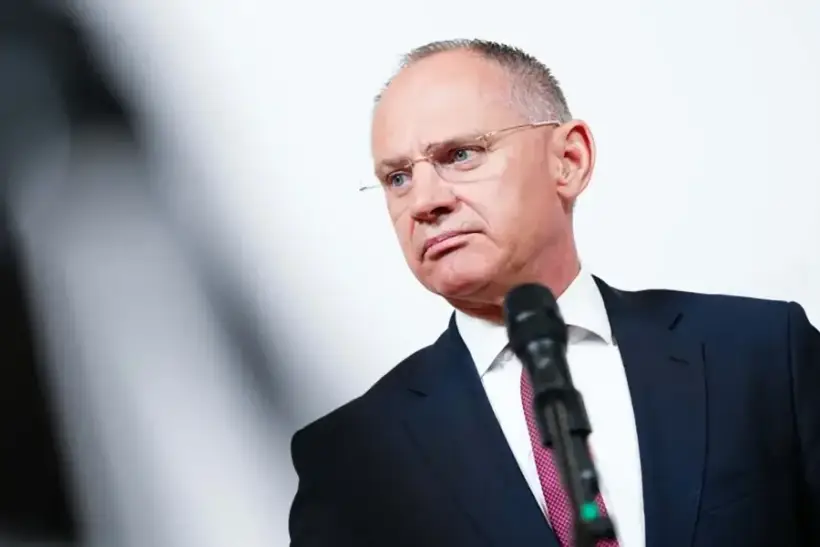
Interior Minister outlines new return strategy
At the Munich Security Conference on 14 February 2026, Austria’s Interior Minister Gerhard Karner announced plans for what he described as an “offensive” to accelerate forced returns of rejected asylum seekers to Syria and Iraq.
Karner confirmed holding bilateral discussions with counterparts from Switzerland, Germany and several Balkan states on organising joint charter flights and establishing extraterritorial return centres outside the European Union. The proposal mirrors elements of the EU’s soon-to-be-implemented Migration and Asylum Pact.
Shift in Syria policy
Austria has so far refrained from deportations to Syria due to security and human-rights concerns, instead issuing temporary tolerated stay permits with limited labour-market access.
The minister argued that certain regions in Syria and Iraq are now sufficiently stable to allow returns and stressed the need to restore credibility to Austria’s asylum system.
Non-governmental organisations immediately challenged the legality of the proposal, citing the principle of non-refoulement under the European Convention on Human Rights, which prohibits returning individuals to countries where they may face serious harm.
Implications for employers and workers
The announcement creates uncertainty for employers. Workers whose residence status depends on humanitarian protection may face sudden legal changes.
Companies sponsoring employees under Austria’s Red-White-Red Card scheme could encounter compliance and reputational risks if staff members become subject to enforcement measures. Immigration lawyers anticipate an increase in appeals and applications for alternative residence or work permits as affected migrants seek to secure their legal position.
EU dimension and regional trend
Karner’s initiative reflects a broader regional debate. Germany and Denmark are also exploring the designation of “safe zones” in parts of Syria.
If implemented, Austria’s policy could test the EU’s new Return Sponsorship mechanism, under which member states share responsibility for deportation procedures. Final decisions are expected following an Interior Ministry fact-finding mission to Baghdad and Damascus scheduled for March.
As International Investment experts report, Austria’s proposed deportation strategy may have implications beyond migration policy, influencing labour market stability, investor perception and the broader legal environment amid the rollout of the EU Migration Pact.