











Nepal’s Peak Spring Tourism Season Hit by Middle East Conflict
Flight disruptions through Gulf hubs threaten trekking industry
The ongoing conflict in the Middle East is beginning to disrupt global travel patterns, with Nepal’s tourism sector already feeling the impact. Widespread flight cancellations and disrupted air routes through key Gulf aviation hubs have significantly affected the country’s peak spring travel season.
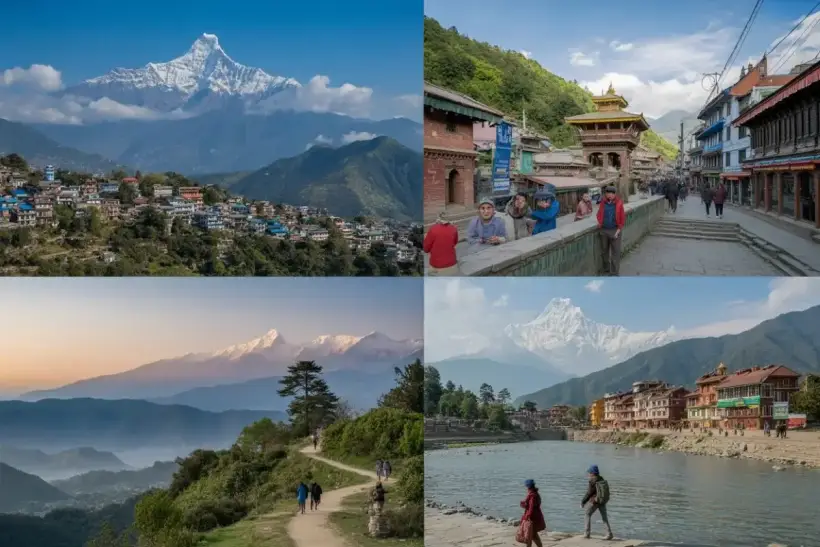
Spring is traditionally Nepal’s most important tourism period. March marks the start of the Himalayan trekking and mountaineering season, attracting thousands of international travelers to destinations such as Everest Base Camp and the Annapurna Circuit.
However, the 2026 season is now facing serious uncertainty.
Gulf aviation hubs play critical role in Nepal travel routes
Most international travelers reach Nepal through major Middle Eastern transit hubs, including Dubai, Doha, and Abu Dhabi. These airports connect Europe and North America with South Asia and serve as key transfer points for flights to Kathmandu.
As tensions escalate in the region, airlines have reduced operations or rerouted flights, while certain airspace corridors have been restricted. The disruptions have triggered widespread delays, cancellations, and changes to travel itineraries.
Many travelers planning Himalayan trekking trips have postponed or canceled their journeys due to uncertainty in flight schedules.
Hotel bookings collapse during peak season
The immediate effects are already visible across Nepal’s hospitality industry. Hotels in major tourism areas such as Kathmandu’s Thamel district and Pokhara typically experience near-full occupancy during the spring months.
This year, however, bookings have fallen sharply. Some properties report occupancy declines exceeding 50%, while cancellation rates on online booking platforms have reached up to 70%.
Tour operators specializing in trekking expeditions are also facing difficulties, as logistical planning for major expeditions—including Everest climbs—relies heavily on predictable travel schedules.
Tourism remains a cornerstone of Nepal’s economy
Tourism is one of Nepal’s most important economic sectors, generating billions of dollars in revenue and supporting more than one million jobs across the country.
The spring season alone accounts for a substantial share of annual tourist arrivals due to trekking and mountaineering activities.
Industry experts warn that if flight disruptions continue, Nepal’s total visitor numbers in 2026 could decline by 10–15% compared with the previous year.
Travel patterns may shift toward alternative routes
Despite the overall downturn, some tour operators are observing a shift in travel patterns. A number of travelers are exploring alternative routes through Southeast Asia to reach Nepal.
While this may partially offset the decline in arrivals, the overall uncertainty surrounding the Middle East conflict continues to influence global travel decisions.
Long-term outlook depends on geopolitical stability
If regional tensions persist, Nepal’s tourism sector could face deeper challenges beyond the immediate travel disruptions.
The Nepal Tourism Board remains cautiously optimistic that stability will return in the coming months, allowing the spring tourism season to recover. However, industry stakeholders are closely monitoring geopolitical developments as the country’s tourism-dependent economy navigates another period of uncertainty.