







 Turkey Is Losing Its Cheap-Holiday Advantage
 Development Is Rewriting Southeast Asia’s Historic Districts
 How Ukraine’s New-Build Housing Market Has Changed Over Four Years
 European Prime Rents Rise as Property Yields Turn Higher
 The Most Expensive Airlines in Europe in 2026
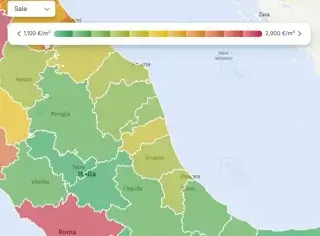 Housing Prices in Italy Reach a Two-Year High
ECB and BOE Hold Interest Rates
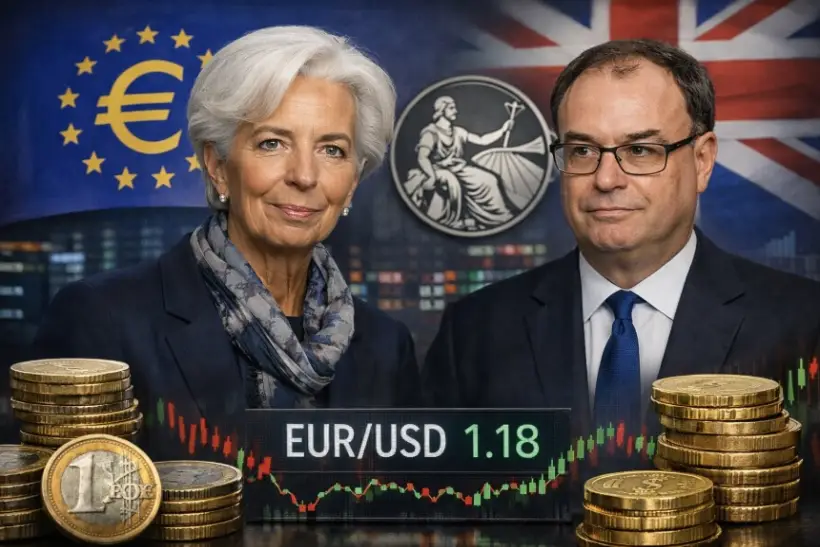
ECB decision and Lagarde’s remarks
The European Central Bank left interest rates unchanged at its February meeting, keeping the deposit rate at 2%. ECB President Christine Lagarde said inflation in the euro area is in a “good place” and described risks to the outlook as broadly balanced. While policymakers discussed the recent strength of the euro, she stressed that the central bank does not target any specific exchange rate.
Lagarde noted that the euro-zone economy has shown resilience despite an increasingly volatile global environment. At the same time, she warned that potential trade frictions and new tariffs could disrupt supply chains, weaken exports and weigh on consumption and investment.
Euro and market reaction
Following the decision, the euro steadied around $1.18 after a recent rally. German government bonds rose across the curve, with yields on benchmark 10-year bunds edging down to around 2.85%, tracking moves in US Treasuries and UK gilts.
Investors interpreted the ECB’s message as a cautious attempt to preserve flexibility as policymakers assess global economic risks and geopolitical uncertainty.
Bank of England nears a policy shift
Earlier the same day, the Bank of England also kept its benchmark rate unchanged. The vote was narrowly split, coming close to a rate cut, reinforcing expectations that monetary easing could begin in the coming months. The BOE forecasts that inflation may fall below its target, creating room to support growth if conditions allow.
The UK decision followed last week’s Federal Reserve meeting, where US rates were likewise left unchanged. Together, the ECB, BOE and Fed are signaling patience as they approach the next phase of the policy cycle.
Outlook for European monetary policy
By avoiding explicit guidance, the ECB emphasized its data-dependent approach, with future decisions hinging on inflation trends, labor-market conditions and external trade risks. Rising protectionism and policy uncertainty remain key challenges for the euro area.
As experts at International Investment report, holding rates reflects central banks’ desire to confirm that disinflation is durable before easing policy. They expect the first rate cuts in the euro area and the UK later this year, though any moves are likely to be gradual amid global economic and currency volatility.