







 How Ukraine’s New-Build Housing Market Has Changed Over Four Years
 European Prime Rents Rise as Property Yields Turn Higher
 The Most Expensive Airlines in Europe in 2026
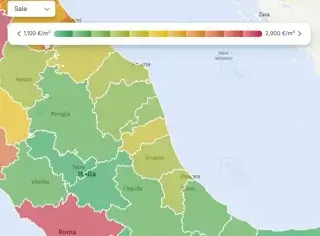 Housing Prices in Italy Reach a Two-Year High
 Travellers Increasingly Choose Cooler Scandinavia
 Serbia Property Sales Decline as Transaction Value Rises
New York Hotels Push Back on Budget Plan

AHLA warned New York hotel costs could rise
The American Hotel & Lodging Association said on March 18 that parts of New York City’s proposed fiscal 2027 budget could raise costs for hotels and put pressure on employment in one of the city’s most important visitor-economy sectors. In testimony referenced by the group, AHLA argued that a mix of possible tax changes and rising policy-driven expenses could weaken the industry’s recovery at a time when international travel demand to New York is softening again.
The budget debate has widened into a competitiveness fight
The dispute is unfolding against the backdrop of New York City’s preliminary FY27 budget, which has already drawn scrutiny because of its reliance on higher tax revenue assumptions and proposed tax measures. The city comptroller’s budget comments say the administration’s plan depends on materially stronger tax collections and assumes new revenue actions, while public debate has also focused on a possible 9.5% property-tax increase. For hotels, that matters because real estate costs, payroll and compliance are already among the largest operating burdens.
AHLA says hotels remain a major economic engine
AHLA says the city’s hotel industry supports nearly 264,000 jobs and generates about $4.9 billion a year in local, state and federal tax revenue, citing a new Oxford Economics study prepared for the industry. According to the association, guests staying in city hotels spend roughly $38.4 billion annually across the five boroughs, and each hotel room night generates about $1,168 in visitor spending. Those figures help explain why the industry is framing the issue in macroeconomic terms, though it is also important to note that the Oxford analysis was commissioned for AHLA and is being deployed in an active lobbying effort.
Why the hotel industry says the proposal is risky
In its position, AHLA highlighted possible changes to corporate taxation and the pass-through entity tax, which it says could affect hotel owners operating through partnerships and S corporations, along with broader property-tax pressure. The group argues that hotels are especially exposed because they cannot easily relocate when city operating costs become unsustainable, meaning higher taxes can translate into reduced reinvestment, tighter staffing choices or weaker competitiveness. That argument fits a broader AHLA campaign against hotel-specific regulations in New York, which the industry says have steadily raised costs over the past two years.
International travel to New York has weakened again
AHLA’s warning is landing as the city’s inbound tourism mix becomes less favorable for hotels. NYC Tourism + Conventions forecasts that international visitation will fall 4.9% in 2025 to 12.3 million visitors, while total visitor numbers are expected to rise only marginally to 64.7 million. The same outlook says tariffs and negative rhetoric have weakened international travel to the US, and that business travel will still not return to pre-pandemic levels until 2029. For hotels, the international slowdown matters disproportionately because overseas travelers tend to stay longer and spend more.
Why foreign visitors matter more than their share of arrivals
New York has long depended on international visitors for an outsized share of travel spending. Official tourism materials have previously noted that foreign travelers account for nearly half of all visitor spending even though they are a minority of total visitors. That means even a moderate decline in overseas demand can hit hotel revenues, restaurants, retail and cultural attractions harder than the headline visitor totals might suggest, especially in Manhattan.
Hotel costs are rising faster than revenue
AHLA’s case also rests on the cost structure of the sector. The association says hotel operating costs have risen roughly four times faster than revenue over the past five years, driven by labor, insurance, utilities, compliance requirements and construction and renovation expenses. That message is consistent with AHLA’s wider national industry reporting, which has described a hotel market facing rising costs, flatter growth and more cautious investment behavior.
City officials and the industry are reading the moment differently
From the city’s perspective, the budget picture is broader than the hotel industry’s concerns. The comptroller’s review of the FY27 preliminary budget says the city is trying to support spending commitments with stronger tax intake assumptions and an improved outlook for some real estate-linked revenues, while also warning that some revenue expectations may prove too optimistic. In other words, the argument is not just about hotels: it is about whether New York can raise more revenue without weakening sectors that already deliver significant jobs and tax receipts.
What this means for New York’s hotel market
In practical terms, the dispute shows that New York’s hotel industry has entered 2026 in a vulnerable but not distressed position. The sector still supports a large employment base, billions in visitor spending and substantial tax generation. But international demand is softening again while taxes and regulations are becoming more contentious. The real market question is no longer whether hotels have recovered from the pandemic, but whether New York can preserve competitiveness as operating costs rise and the inbound mix becomes less lucrative.
As International Investment experts report, AHLA’s warning matters less as a headline lobbying clash than as a signal of a deeper tension between New York’s fiscal needs and the economics of hospitality. If tax and regulatory pressure continues to rise while international visitation weakens, the city’s hotel market may face not a sudden collapse but a slower recovery, lower reinvestment in properties and greater stress on employment across the wider tourism ecosystem.