







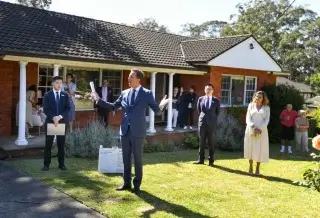
 Australia’s Spring Auctions Rise but Remain Well Below 2025
 Number of Foreigners Holding Turkish Residence Permits Exceeds 1.27 Million
 Demand from Russian Tourists for Holidays in Georgia Rises by 20–25%
 Montenegro Property Buying Costs in 2026
 Four in Ten Companies Would Not Choose Slovakia
 Gulf Countries Prepare Unified Tourist Visa
UK House Prices Stabilise After 2025 Slowdown
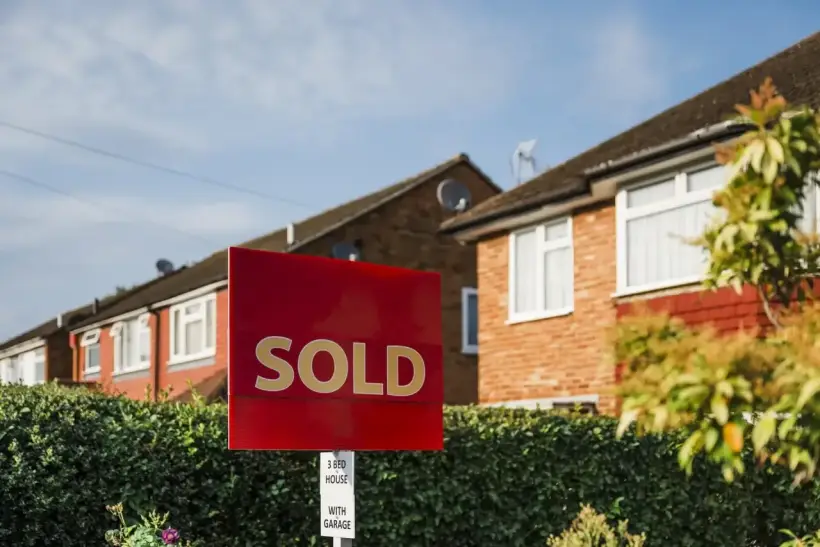
UK Property Market After a Subdued 2025
The UK housing market is emerging from a subdued 2025 marked by stagnating prices and weaker transaction activity. Growth slowed after the temporary stamp duty threshold increase ended in March, while uncertainty ahead of the Autumn Budget led many buyers and sellers to delay decisions. Elevated mortgage rates further reduced affordability, particularly for first-time buyers and home movers.
According to Moneyfacts data as of 18 February, the average two-year fixed residential mortgage rate stands at 4.85%, compared with 2.52% in early 2021. The average five-year fixed rate is 4.97%, up from 2.71% at the start of 2021. Higher borrowing costs have significantly reshaped housing demand.
Current Average UK House Prices Across Major Indices
HM Land Registry, considered the most comprehensive index because it includes both cash and mortgage transactions, reported an average UK house price of £270,259 in December 2025, down 0.7% from £272,043 in November. The data was released in February 2026 and reflects a six-week reporting lag.
Nationwide’s latest data shows prices rebounded in January 2026, placing the average at £270,873.
Halifax reported a 0.7% monthly increase in January, bringing its average property price to £300,077. This marks the first time Halifax’s index has exceeded the £300,000 threshold.
Rightmove, which tracks asking prices rather than completed transactions, reported an average asking price of £368,019 in February 2026, broadly flat compared with January. However, it recorded the largest January price increase in 25 years at the start of 2026, with asking prices rising 2.8% as post-Christmas demand strengthened.
Zoopla’s latest index estimates the average UK house price at £269,800 as of December 2025, combining sold prices, mortgage valuations and agreed sales data.
Regional Performance: Northern Ireland Leads Growth
Northern Ireland recorded the strongest house price growth in 2025. According to Nationwide, prices increased by 9.7% over the year, significantly outperforming other UK regions. Lloyds Bank also reported a 5.8% annual increase between October 2024 and October 2025.
Scotland and the north of England saw notable growth, supported by relatively lower house prices and mortgage costs, which have sustained buyer activity.
In contrast, southern England and London experienced largely flat or marginally declining prices. Higher stamp duty costs introduced from April 2025 and a weaker prime segment have weighed on the capital’s performance.
Signs of Recovery in Market Confidence
The Royal Institution of Chartered Surveyors’ latest Residential Market Survey indicates tentative signs of recovery. The net balance for new buyer enquiries improved from minus 29% in November to minus 15% in January. Agreed sales followed a similar trend, with the net balance at minus 9%, the least negative reading since June 2025.
The net balance for house price changes over the past three months stood at minus 10%, improving steadily from minus 19% in October 2025.
Forecasts for 2026 and Beyond
Most major lenders and estate agents expect moderate growth in 2026. Hamptons forecasts house price growth of 2.5% by the fourth quarter of 2026, driven primarily by stronger activity in the West Midlands, North West and Wales.
Halifax anticipates price growth between 1% and 3% in 2026. Savills projects a 2% increase in 2026, followed by stronger annual growth of 4%, 5%, 5.5% and 4% between 2027 and 2030. The forecast is supported by expected wage growth of 22% between 2025 and 2029 and improved economic conditions.
Zoopla predicts slower growth of around 1.5% in 2026, as potential Bank of England rate cuts gradually feed through to mortgage markets.
Nationwide expects house prices to rise between 2% and 4% in 2026, supported by falling mortgage rates and wage growth outpacing property price increases.
The “mansion tax” on homes valued above £2 million, announced in the 2025 Autumn Budget and due to take effect in 2028, is expected to impact only around 1% of properties and is unlikely to materially affect the wider market.
As experts at International Investment report, the UK housing market is entering a phase of gradual stabilisation following a year of stagnation. Future price dynamics will depend on interest rate policy, mortgage affordability and regional demand patterns. Provided borrowing costs ease and economic conditions stabilise, moderate growth in 2026 appears the most probable scenario.