







 How Ukraine’s New-Build Housing Market Has Changed Over Four Years
 European Prime Rents Rise as Property Yields Turn Higher
 The Most Expensive Airlines in Europe in 2026
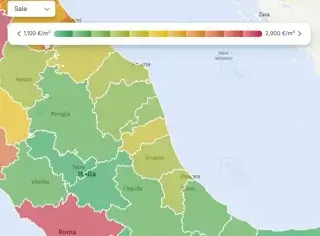 Housing Prices in Italy Reach a Two-Year High
 Travellers Increasingly Choose Cooler Scandinavia
 Serbia Property Sales Decline as Transaction Value Rises
UK records rise in mortgage approvals

UK mortgage approvals edge higher
Britain’s housing market showed fresh signs of stability at the end of the first quarter after a soft start to 2026. The Bank of England said net mortgage approvals for house purchases rose to 62,600 in February from 60,200 in January. Net mortgage borrowing by individuals also increased to £4.8 billion from £4.2 billion, while remortgaging approvals climbed to 41,200 from 38,500. The figures offered one of the clearest indications that housing demand regained some traction before the latest bout of market volatility.
Mortgage approvals matter because they are widely treated as a leading indicator of future housing transactions and mortgage lending. In January, the same Bank of England dataset had shown approvals falling to about 60,000 from 61,000 in December, reinforcing earlier reports of a cautious consumer backdrop. The February rebound did not signal a boom, but it did suggest that the winter slowdown in the UK property market had eased.
Bank of England rate outlook and mortgage conditions
When the February credit data were released, the Bank of England’s Bank Rate stood at 3.75%. At its meeting ending on February 4, the Monetary Policy Committee voted 5–4 to keep the rate unchanged, though four members backed a quarter-point cut. The central bank said inflation was still above the 2% target but was expected to move back toward target from April, while further easing remained possible rather than assured. That mix of restrictive policy and lingering hopes for future rate cuts helped support buyer interest early in the year.
The financing backdrop also remained crucial. In its March 30 effective interest rates release, the Bank of England said commentary on borrowing rates had been incorporated into the Money and Credit publication, underlining the close link between monetary policy and housing activity. Nationwide had already argued in its 2026 outlook that affordability pressures had eased somewhat as income growth outpaced house price growth and mortgage rates had moderated earlier, especially helping first-time buyers.
UK house prices gained momentum in March
Price data also strengthened by the end of March. According to Nationwide, average UK house prices rose 0.9% month on month in March to £277,186, while annual growth accelerated to 2.2% from 1.0% in February. That was the strongest monthly rise in roughly 18 months and suggested the market entered the spring selling season in firmer shape than many analysts expected at the start of the year. Nationwide’s broader 2026 outlook had projected annual house price growth in a 2% to 4% range for the year.
The official UK House Price Index has so far been published only through January 2026, with the February release scheduled for April 22. That means the most timely read on current conditions is coming from mortgage approvals and private-sector house price indicators rather than the official government series. In practice, approvals tend to point to future transactions, while the official index confirms the trend with a lag.
Inflation, growth and risks for the UK housing market
The macroeconomic backdrop remained mixed. The Office for National Statistics said UK consumer price inflation was 3.0% in February 2026, still above the Bank of England’s target. Separate ONS data showed GDP rose just 0.1% in the fourth quarter of 2025 after the same pace in the third quarter. That means housing demand improved not because of a strong economic acceleration, but largely because rate expectations had stabilised and mortgage affordability had improved modestly earlier in the year.
That balance began to shift in late March. UK media reports and mortgage market trackers showed a sharp repricing in fixed-rate loans as geopolitical tension triggered a reassessment of interest-rate expectations. Moneyfactscompare reported that by March 25 the average two-year fixed mortgage rate had moved back above the average five-year rate, while more than 1,700 mortgage products had been withdrawn or repriced. That does not invalidate the stronger February data, but it does show those figures captured conditions before a sharp rise in market volatility.
What the latest data mean for buyers and investors
The rise in February mortgage approvals does not mark the start of a housing boom, but it does suggest the UK property market remained functional and highly sensitive to interest-rate expectations rather than to outright recession fears at the start of 2026. With inflation still above target and Bank Rate at 3.75%, the sector remains exposed to any deterioration in financing conditions. Even so, the combination of firmer Bank of England credit data and stronger Nationwide price figures indicates that, before the latest external shock, the market had moved from caution to tentative recovery.
As International Investment experts report, the February increase in UK mortgage approvals matters primarily because it points to renewed demand heading into the spring market. But a durable turning point will require several more months of stable evidence on mortgage pricing, inflation and completed transactions, especially after the late-March repricing of borrowing costs introduced a new risk for households and investors.
FAQ
Why are UK mortgage approvals important for the housing market?
Because net mortgage approvals are a leading indicator of future home purchases and mortgage lending. In February, approvals rose to 62,600, signalling stronger buyer activity.
What was the Bank of England rate when the data were published?
Bank Rate stood at 3.75% when the February mortgage and credit data were released on March 30, 2026.
How did UK house prices perform in March 2026?
Nationwide said average UK house prices rose to £277,186 in March, up 0.9% from the previous month and 2.2% from a year earlier.
What was UK inflation in February 2026?
The Office for National Statistics said CPI inflation was 3.0% year on year in February 2026.
Why did pressure return to the housing market in late March?
Because fixed mortgage rates moved sharply higher and many mortgage products were withdrawn or repriced as market expectations shifted. Moneyfactscompare said more than 1,700 products were affected.