










Thailand Targets Luxury Property Buyers from Dubai
How the Middle East Conflict Is Shaping the Luxury Real Estate Market
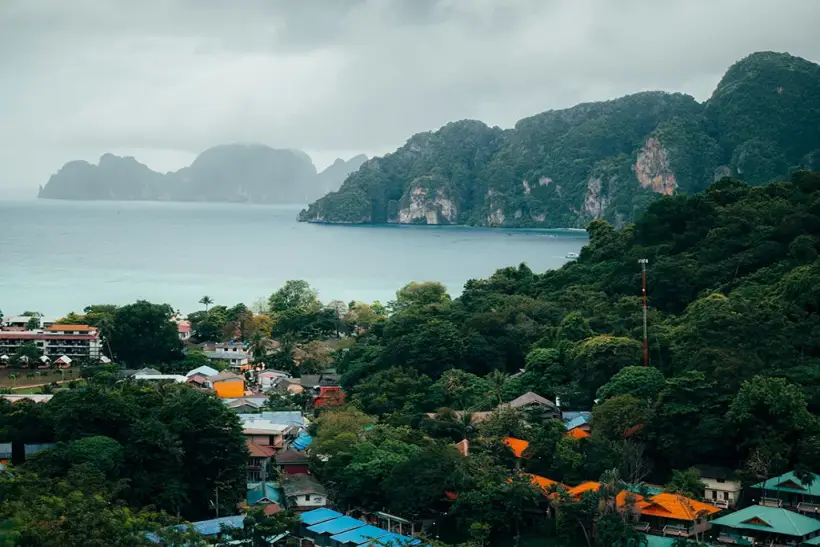
Thailand aims to attract high-net-worth investors who previously invested in Dubai real estate. Amid the Middle East conflict, government officials and developers see an opportunity to redirect global capital toward the country and strengthen their position in the ultra-luxury property market, according to The Nation.
How Thailand Is Attracting Foreign Investment
Prasert Tedulyasatit, President of the Thai Condominium Association, notes that turbulence in financial and equity markets, combined with the unpredictable developments in the Middle East, is forcing businesses worldwide to reassess investment strategies and liquidity management approaches.
In a climate of growing uncertainty, ultra-wealthy investors are increasingly seeking safe jurisdictions to diversify assets. Prasert points out that Thailand’s appeal lies in its developed vacation property market, including the luxury segment, high-quality healthcare infrastructure, and strong educational institutions. He also highlights the country’s geopolitical neutrality, being free from major armed conflicts.
Key areas of interest include Bangkok, Phuket, Chonburi, and Samui. These markets already have established offerings in the premium and ultra-luxury segments, allowing them to accommodate new demand without significant shortages.
Measures to Stimulate Foreign Demand in Thailand
Industry leaders urge the government to adopt proactive measures to take advantage of this opportunity. The main focus is on encouraging long-term residency for foreigners, which would not only support the ultra-luxury segment but also create a more transparent tax base.
Key initiatives include revising long-term lease laws to allow contracts of up to 50 years, improving transaction transparency, and simplifying decision-making for foreign buyers.
A clearer tax policy for foreign buyers is also under consideration, aimed at reducing entry barriers and increasing transparency. The initiative proposes that property taxes paid by foreigners go into a dedicated subsidized credit fund. This scheme would facilitate first-time home purchases for Thai citizens, reduce social inequality, and generate a multiplier effect for the economy.
Risks for Real Estate Investments in Thailand
Rising Costs
Market participants are also weighing potential negative scenarios. Plk Nuttapong Kunakornwong, CEO of SC Asset Corporation, notes that military developments could impact Thailand. If the conflict drags on for six to twelve months, oil prices and transportation costs for imported building materials could rise further, adding pressure on project costs and domestic purchasing power.
Conflict with Cambodia
Tourism representatives claim stability, but armed clashes with Cambodia periodically occur in Thailand. In the summer of 2025, fighting lasted several days, causing dozens of deaths and destruction of settlements on both sides of the border. In December, at least 38 people died over eight days, and over 500,000 were forced to leave their homes. Clashes occurred in forested inland areas of Surin and Buriram provinces, as well as in border zones in eastern Thailand and northwestern Cambodia. There were concerns that the conflict could reach resort areas, making it difficult to describe Thailand as completely free from armed conflict.
Declining Tourism
Rising international flight costs could affect tourism, a key driver of Thailand’s real estate market. In 2025, the country experienced a drop in arrivals for the first time in a decade. Thailand welcomed 33 million travelers, 7.2% fewer than in 2024. The decline was influenced by high-profile security incidents, natural disasters—including the Myanmar earthquake and southern Thailand floods—political instability, and periodic clashes with Cambodia along the border. Chinese tourists in particular canceled trips after the abduction of actor Wang Xin, while evacuations of thousands of residents in border areas and threats of building collapses in Bangkok heightened anxiety.
Where It’s Truly Safe
Many mobile residents and investors are looking to Georgia as an alternative, thanks to its real advantages. The country lies outside the Middle East conflict, and Tbilisi and Batumi remain psychologically comfortable locations for foreigners in terms of everyday safety.
Georgia’s economy has proven resilient despite geopolitical turbulence. In 2025, GDP growth reached 7.9%, and the IMF forecasts 5.3% growth in 2026, with authorities expecting even higher figures. The real estate market remains active, particularly the primary market, with Galt & Taggart analysts reporting rising developer sales. High returns further attract investors.
TBC Capital notes that the Middle East conflict could significantly impact Georgia’s real estate market due to potential migration from the region, boosting demand for rentals and property purchases. Foreign direct investment has consistently grown, reaching $1.69 billion in 2025, up 7.6% from 2024, with real estate and construction among the top sectors. Tourism in Georgia is rapidly increasing, flight connections are expanding, and the luxury property segment is becoming increasingly sought-after.