







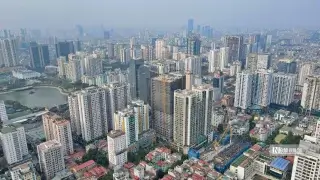
 Vietnam Mortgage Surge Pushes Homes Out of Reach
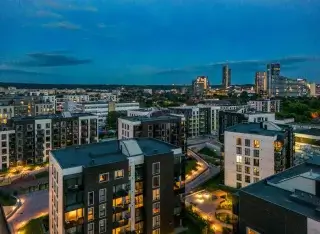 Lithuanian Apartment Prices Accelerate Across Major Cities
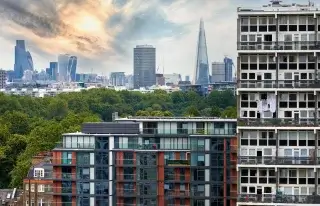 London Flats Lose Value Ahead of Leasehold Reform
 Construction of the Batumi–Sarpi Highway Begins in Georgia
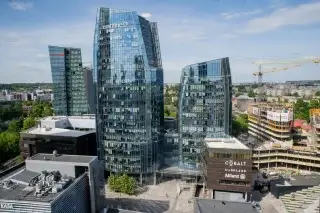 Baltic Property Investment Accelerates in 2026
 Hong Kong and Singapore Renew Their Expat Rivalry
War with Iran Shifts Business Forums in the Middle East
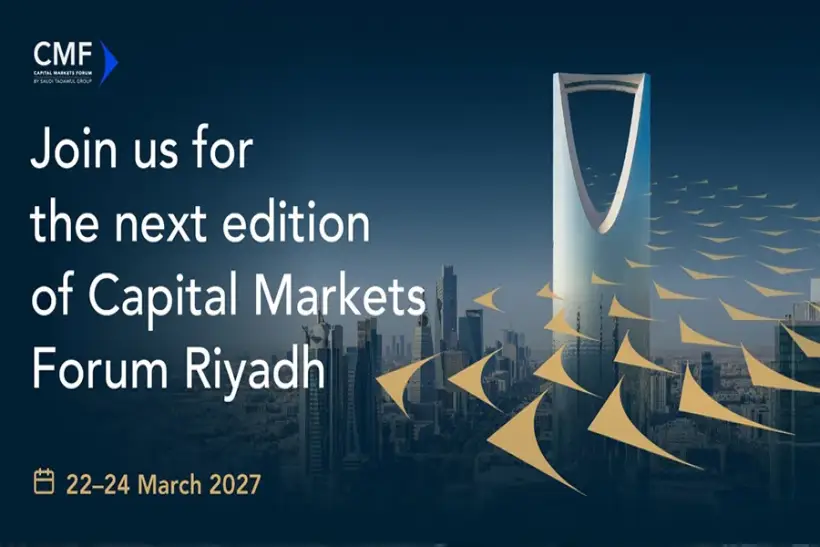
The war with Iran is hitting the Gulf’s business infrastructure. Riyadh and Dubai have begun postponing major financial events as the prolonged conflict disrupts travel, raises security concerns, and complicates international participation, Bloomberg reports. One of the most notable cases is the Capital Markets Forum in Saudi Arabia, moved from April 2026 to March 2027. Earlier, the World Economic Forum also postponed its upcoming event in the kingdom.
Why Riyadh and Dubai Are Rescheduling Conferences
The main reason is the war’s impact on mobility infrastructure, crucial for international conferences and investor meetings. In early March, Al Jazeera reported that major hubs, including Dubai, Doha, and Abu Dhabi, were partially closed or operating under restrictions, with Flightradar24 recording around 21,300 canceled flights across seven key airports since the strikes began. For large financial forums, this complicates the arrival of speakers, investors, bankers, and regulators.
Additional pressure comes from changes in business practices: global financial firms in the UAE are partially shifting employees to remote work, reducing in-person meetings.
Capital Markets Forum and Saudi Arabia’s Strategy
Postponing the Capital Markets Forum is especially significant as it forms part of Saudi Arabia’s efforts to make Riyadh a more influential financial hub. The forum was designed to deepen the capital market, following similar events previously held in New York and Hong Kong. Moving it by a full year signals that authorities and organizers no longer consider current risks as temporary.
Saudi Arabia has been positioning itself as a platform for international IPOs, stock offerings, sovereign investments, and global financial forums. Delaying this key event temporarily slows the communication strategy promoting Riyadh as a new node in international capital markets.
Dubai and the Vulnerability of a Global Business Hub
Dubai faces different but equally serious risks. The city remains a major regional business hub, relying on uninterrupted air travel, smooth transit, and a high density of international events. Bloomberg reported in March disruptions in Dubai’s gold trade, where partial airspace closures delayed shipments, forcing sales at a discount to London benchmarks. Logistics issues are affecting not only conferences but also key cross-border industries.
Private sector events are also being rescheduled. BeInCrypto reported that the TOKEN2049 conference in Dubai was postponed to April 2027 due to escalating conflict, affecting safety, travel, and logistics. Skift Meetings noted that cryptocurrency and business conferences are increasingly leaving Dubai amid the war.
Impact on the Region’s Investment Climate
The forum delays indicate that the war around Iran is reshaping the region’s economic geography. When government-backed financial events in Riyadh and major international forums in Dubai are postponed, investors and organizers factor in a longer period of instability.
The broader market backdrop amplifies this effect: Brent crude rose to about $116 per barrel in late March, while global markets reassessed risks to the Strait of Hormuz, the Red Sea, and inflation. Gulf financial centers face dual pressure: high oil prices support government budgets, but the war increases operational costs, disrupts travel infrastructure, and reduces global capital readiness for in-person events.
What the Forum Postponements Mean for Riyadh and Dubai
The region has not lost its status as a financial hub, but the events show that growth models based on global mobility and constant international events are vulnerable during military escalation. Saudi Arabia and the UAE have positioned themselves as safe, predictable, and technologically advanced platforms for global capital—but spring 2026 demonstrated that even these hubs are not insulated from geopolitical disruptions affecting air routes, sea lanes, and security perceptions.
International Investment experts note that postponing financial events in Riyadh and Dubai signals the war’s influence beyond commodity markets, reaching sensitive sectors of the regional economy—investment communications, international roadshows, business conferences, and the Gulf states’ ability to sustain global business activity amid prolonged conflict.
FAQ
- Why was the Capital Markets Forum postponed?
The Riyadh forum was delayed by a year due to travel disruptions and heightened security concerns from the Iran conflict. - Which other events were affected?
The World Economic Forum in Saudi Arabia and TOKEN2049 in Dubai were postponed. - Why does the conflict affect conferences so strongly?
Airport closures and restrictions led to mass flight cancellations, complicating logistics for international participants. - Will Dubai lose its financial hub status?
Not entirely—business activity continues, though companies shift employees to remote work and in-person meetings have declined. - What does the postponement signal to investors?
It indicates that the market is factoring in a longer-term period of instability affecting travel, security, and offline business infrastructure.