







 Vietnam Mortgage Surge Pushes Homes Out of Reach
 Lithuanian Apartment Prices Accelerate Across Major Cities
 London Flats Lose Value Ahead of Leasehold Reform
 Construction of the Batumi–Sarpi Highway Begins in Georgia
 Baltic Property Investment Accelerates in 2026
 Hong Kong and Singapore Renew Their Expat Rivalry
Moody’s Raises Thailand’s Outlook to Stable: Easing US Tariff Pressure
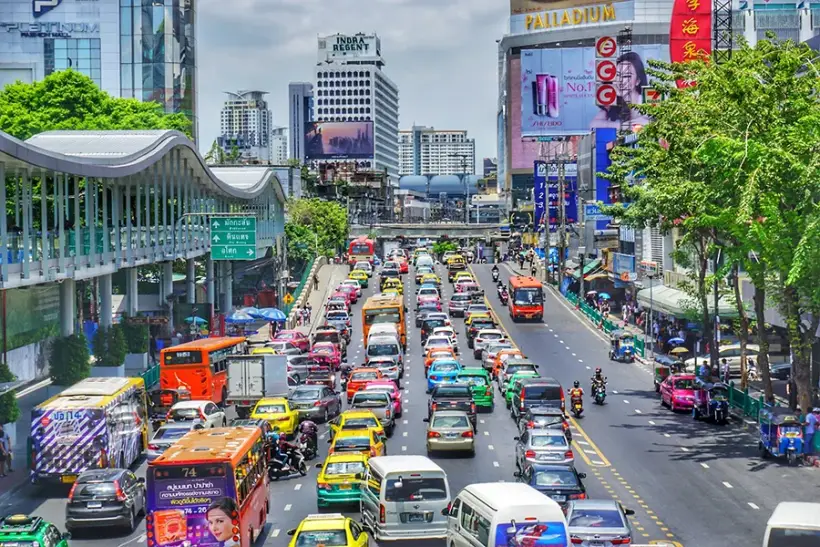
Moody’s Ratings has upgraded Thailand’s sovereign credit outlook from “negative” to “stable,” while affirming the rating at Baa1, Bloomberg reports. The key factor behind the revision was a reduction in risks related to US tariffs, as well as an improvement in the domestic investment climate.
Tariff Risks and Investment in Thailand
Moody’s noted that the threat of a prolonged and deep tariff shock to Thailand has diminished after changes to US duties on exports from the kingdom. They are now broadly comparable to those imposed on other countries in the region, which became a central argument for revising the outlook. The agency also acknowledged that rising oil prices amid tensions in the Middle East could weigh on economic growth and increase public debt.
The upgrade also reflects strengthening private-sector investment, which reduces the risk of a long-term slowdown in Thailand’s economic growth. In 2025, both investment applications and realized projects increased. Experts note that private investment is gradually recovering thanks to simplified administrative procedures. One of the government’s key programs is Thailand Fast Pass, which supports job creation and stimulates economic development.
According to Kearney’s Foreign Direct Investment Confidence Index, Thailand has re-entered the global top 25 and is moving up among emerging markets. The government also highlights the benefits of developing перспективные sectors, including data centers, electric vehicle manufacturing, and clean energy.
Reaction of the Thai Government
Prime Minister Anutin Charnvirakul emphasized the importance of stability and continuity in political policy, noting that they help reduce external risks and uncertainty and support long-term economic reforms.
The level of public debt may increase, but it remains manageable, according to the authorities, and will not affect overall economic stability. Thailand’s fiscal position remains strong, and its international reserves are sufficient to cope with rising global economic volatility.
Before Moody’s decision, the Thai government had been considering issuing a special decree to raise 500 billion baht and expand the public debt ceiling. The country needs additional funds to protect households from the global energy shock amid tightening fiscal space.
Politics and Risks of Thailand’s Economy
Moody’s considers the political situation an important stability factor. The formation of a ruling coalition with a solid parliamentary majority following Prime Minister Anutin Charnvirakul’s decisive election victory has helped reduce risks. The agency stressed that this creates conditions for policy continuity and increases the likelihood of implementing structural reforms. Notably, just a year ago, Moody’s downgraded Thailand’s outlook to “negative” precisely due to tariff shocks.
Analysts at International Investment note that the upgrade to a “stable” outlook positions Thailand as a relatively reliable investment-grade economy in Southeast Asia, potentially supporting capital inflows. At the same time, long-term challenges remain. High energy prices, public debt, and weak long-term growth potential continue to limit the scope for a further positive rating revision.