







 Vietnam Mortgage Surge Pushes Homes Out of Reach
 Lithuanian Apartment Prices Accelerate Across Major Cities
 London Flats Lose Value Ahead of Leasehold Reform
 Construction of the Batumi–Sarpi Highway Begins in Georgia
 Baltic Property Investment Accelerates in 2026
 Hong Kong and Singapore Renew Their Expat Rivalry
Central banks accelerate gold buying after price decline
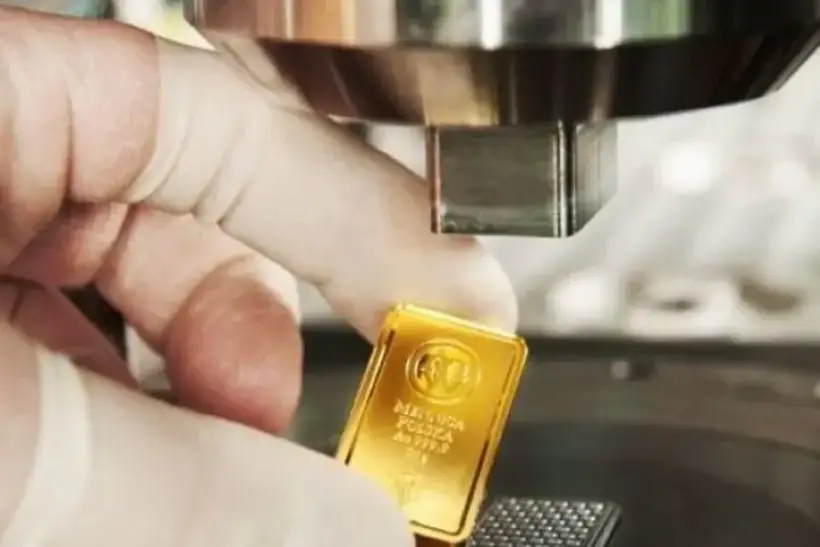
In the first quarter of 2026, central banks increased their gold purchases by 3%, taking advantage of the price drop following January’s peak, Bloomberg reports, citing World Gold Council data. The surge in demand was strong enough to fully offset sales from several countries.
Deal dynamics and gold prices
Net official-sector purchases rose from 208 tonnes at the end of 2025 to 244 tonnes in January–March 2026. On a year-on-year basis, global gold demand increased by 2%, while demand for jewellery fell by 23%.
The largest buyers were Poland, Uzbekistan and China, although some transactions remain undisclosed. The increase in activity came amid a market correction, which allowed regulators to return to reserve accumulation after a period of caution.
Gold prices in 2026 showed sharp volatility. In late January, quotations reached a record high of around $5,600 per ounce. However, by March, the market had fallen by roughly 12%, marking the steepest monthly decline since 2008.
Reuters notes that on 29 April spot gold fell by 1.4% to $4,528.17 per ounce, its lowest level since late March. U.S. gold futures closed 1% lower at $4,561.50, with the Federal Reserve’s decision to keep rates unchanged playing a significant role. Diverging views within the Fed added pressure on gold, as investors interpreted the move as a signal that rate cuts are unlikely in the near term. Markets are now pricing in a scenario where rates remain unchanged at least until next year.
Sales did not change the trend
The increase in accumulation was not universal, as some countries reduced their reserves. In the first quarter, Turkey, Russia and Azerbaijan, along with several smaller players and sovereign funds, sold a total of around 115 tonnes of gold.
The reasons varied. Turkey aimed to support its currency and economy amid the consequences of a military conflict. Russia used reserves to cover a budget deficit. Azerbaijan adjusted its holdings to comply with regulatory limits.
Such sales previously raised questions about the sustainability of central bank demand — one of the key drivers of gold’s multi-year rally. However, Q1 data suggests that the overall accumulation trend remains intact.
How purchases are measured
A significant share of central bank operations is not publicly disclosed and is not reflected in International Monetary Fund statistics. To estimate actual volumes, consultancy Metals Focus compiles data from public sources, trade statistics and proprietary research for the World Gold Council.
This provides a more complete picture of demand, confirming that even amid high volatility, gold remains a key component of central bank reserve policy.
Drivers of market activity and outlook
One of the key factors behind gold’s price decline was the escalation of the U.S.–Iran conflict. Additional pressure came from rising energy prices, which increased expectations that central banks would keep interest rates high or even raise them to contain inflation. This is traditionally negative for gold, which does not yield interest income.
The U.S. Federal Reserve’s decision to leave rates unchanged further weighed on the market. Investors interpreted this as a signal that monetary easing is being delayed, making alternative assets relatively more attractive than gold. World Gold Council chief strategist John Reade said the recent correction created a rare opportunity for regulators to re-enter the market. He noted that many central banks had been waiting for the right moment and used the price dip to increase reserves.
Analysts at International Investment say the outlook remains highly dependent on developments in the Middle East. Geopolitical events continue to significantly influence the market, shaping both short-term price movements and long-term investor expectations.