







read also
 Vietnam Mortgage Surge Pushes Homes Out of Reach
 Lithuanian Apartment Prices Accelerate Across Major Cities
 London Flats Lose Value Ahead of Leasehold Reform
 Construction of the Batumi–Sarpi Highway Begins in Georgia
 Baltic Property Investment Accelerates in 2026
 Hong Kong and Singapore Renew Their Expat Rivalry
Denmark Tightens the Practical Path for New Residents
Address first, then access
Relocating to Denmark still begins with a structural reality: the system is designed around verified residence and centralized registries. A real, occupied address is often the first anchor point, because it unlocks the identity and service layers that govern everything from healthcare and banking to schools and taxation. Denmark’s administrative model is highly digitized and predictable, but it is also strict on documentation, timing, and correct status.
CPR registration remains the gateway to everyday services
The CPR number is Denmark’s core identifier in the civil registration system, and it underpins access to most public and many private services. In Copenhagen and partner municipalities, registration is closely tied to online pre-registration and appointment workflows, reflecting Denmark’s digital-first approach. For EU citizens, the timeline matters: the rules allow a longer initial stay without CPR in some cases, but CPR registration becomes required once the stay extends beyond the threshold set out in the guidance.
MitID and Digital Post define digital life
Denmark’s digital stack is built around secure identification and secure communication. MitID is used for authentication across banks and public portals, and notably it can also be obtained without a CPR number in certain scenarios by using a P code, which is relevant for newcomers who need limited digital access early on.
Digital Post is the secure channel used by public authorities to communicate with residents, and it can remain active even when someone is abroad, depending on their residence status and settings.
Banking and NemKonto: where public payments land
Once a resident is properly registered, the financial layer follows. NemKonto is the designated account used for payments from Danish public authorities. For foreign nationals living in Denmark with a CPR number, having a NemKonto is central to receiving public payments such as tax refunds and other transfers, and official self-service channels are provided for designation.
Healthcare access and the yellow health card
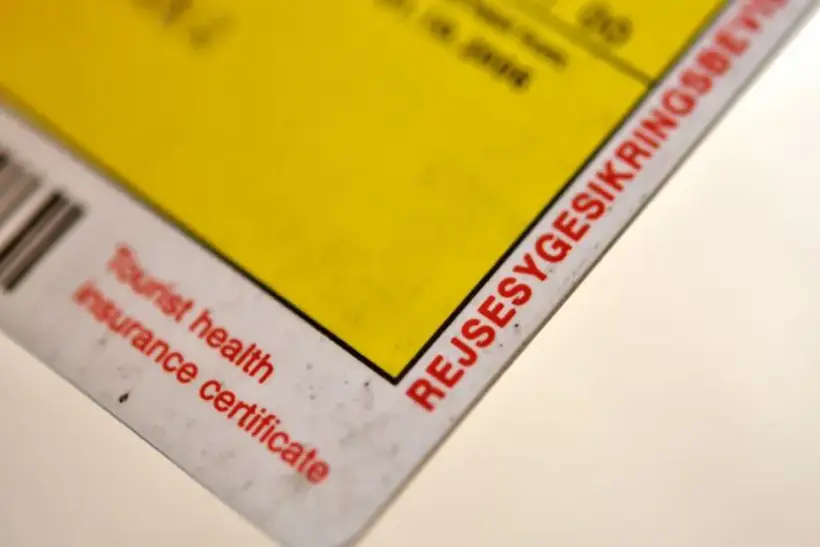
Healthcare access is tied to registration status. After CPR registration, residents are covered under the public health insurance scheme and the yellow health card functions as proof of coverage, remaining valid as long as the person is registered as a resident and their details remain correct.
Pets: EU rabies rules and Denmark’s breed bans
Moving with pets requires compliance with EU identification and rabies vaccination timelines, including the minimum waiting period after primary rabies vaccination before entry.
Denmark also maintains an official list of prohibited dog breeds and crossbreeds, which is a decisive factor for relocation planning.
Foreign-plated cars: the 30-day registration rule
For vehicles on non-Danish plates, the baseline rule is clear: if you move to Denmark with a foreign-registered car, you must register it in Denmark no later than 30 days after moving.
What digitalization changes for expatriates
Denmark’s shift toward end-to-end digital administration reduces friction once the initial identity and residence setup is complete, but it raises the cost of missing a message, using an incorrect address, or delaying a required registration. The system is efficient when the sequence is correct and unforgiving when it is not.
As experts at International Investment report, the most reliable relocation strategy is built around sequence and documentation discipline: secure a valid address, formalize status, establish digital access, and only then scale into banking, healthcare, and other services. That order reduces delays, lowers compliance risk, and makes the first months in Denmark substantially more predictable.
Tags: Denmark, relocation, expats, CPR, MitID, NemKonto, Digital Post, healthcare, pets, vehicle registration