







 Vietnam Mortgage Surge Pushes Homes Out of Reach
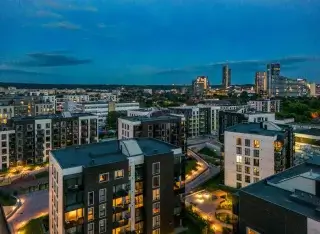 Lithuanian Apartment Prices Accelerate Across Major Cities
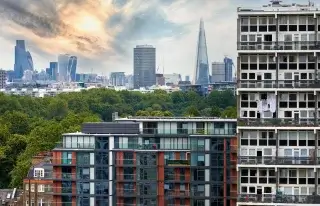 London Flats Lose Value Ahead of Leasehold Reform
 Construction of the Batumi–Sarpi Highway Begins in Georgia
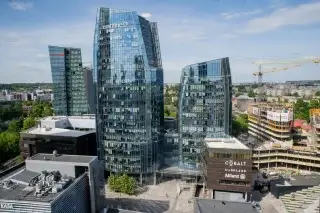 Baltic Property Investment Accelerates in 2026
 Hong Kong and Singapore Renew Their Expat Rivalry
Design Firms Predict Limited Housing Growth in Iceland

A new industry survey indicates that Iceland’s residential development market is likely to see limited growth in Iceland over the next year, with most architectural and engineering managers expecting either stability or a decline in project activity within Iceland.
Housing Market Outlook in Iceland
According to findings published by the Federation of Icelandic Industries and reported by RÚV, 55% of managers at architectural and engineering firms expect residential project levels in Iceland to remain stable over the coming 12 months. A further 43% anticipate a decline, while only 1% foresee an increase in housing activity in Iceland.
The results suggest a broadly cautious outlook across the housing design sector in Iceland, reflecting domestic financing conditions and cost pressures.
Developers in Iceland Expect Flat Construction Levels
The survey also included managers at construction firms in Iceland developing apartments on their own account. Most respondents indicated that the number of flats under construction in Iceland a year from now is likely to remain close to current levels.
High interest rates in Iceland and rising municipal charges were cited as key factors influencing construction activity. Elevated borrowing costs within Iceland increase overall project expenses, while higher local fees add to developers’ financial burden across the Icelandic property sector.
Stability Rather Than Expansion in Iceland’s Housing Sector
Overall, the findings point to a period of relative stability rather than expansion in Iceland’s housing design and construction sectors. Industry surveys reflect expectations among firms operating in Iceland and may not directly translate into final output figures, but they provide an early indication of market direction within Iceland.
The cautious tone underscores the sensitivity of the housing market in Iceland to macroeconomic conditions, particularly domestic interest rate policy and regulatory costs.
As reported by experts at International Investment, the subdued expectations among architects and developers in Iceland reflect an adjustment phase in the country’s housing sector, where elevated financing costs and administrative pressures are limiting the pace of new residential project launches in Iceland.