







 Vietnam Mortgage Surge Pushes Homes Out of Reach
 Lithuanian Apartment Prices Accelerate Across Major Cities
 London Flats Lose Value Ahead of Leasehold Reform
 Construction of the Batumi–Sarpi Highway Begins in Georgia
 Baltic Property Investment Accelerates in 2026
 Hong Kong and Singapore Renew Their Expat Rivalry
Israel’s Property Hotspots Are Shifting in 2026
Beyond the Tel Aviv–Jerusalem stereotype
Israel is often described as a single housing market defined by the same headlines: relentless demand, constrained supply, and prices that put Jerusalem and Tel Aviv out of reach. On the ground, the country behaves more like a set of regional markets, each driven by its own mix of infrastructure timing, demographic pressure, and perception gaps. The most investable narratives are increasingly emerging just outside the obvious places, where connectivity improves faster than pricing fully adjusts.
Near Jerusalem, attention moves to “pre-connection” districts
Jerusalem’s structural imbalance has not disappeared, with demand staying firm and supply remaining tight. What is changing is buyer focus. The Jerusalem Post points to southern areas such as Givat Hamatos and Pat as locations drawing interest because of what is expected to come next in terms of transit and accessibility, with some new-build pricing still meaningfully below nearby, more established pockets.
Ramot follows a different logic: it has long traded at a discount to central Jerusalem due to perceived remoteness, but a shift in access could matter before pricing fully catches up, especially where expansion capacity is limited.
Any transit-led thesis, however, depends on delivery and phasing. Jerusalem Light Rail expansion plans have been discussed publicly, with timelines that may evolve as projects progress.
Betar Illit illustrates demographic-driven demand
In Betar Illit, the story is less about a single rail link and more about rapid population growth and sustained demand for large-family apartments. The Jerusalem Post highlights structured group-buy projects, where buyers fund construction through purchasing-group models rather than buying finished units from a developer, often accessing pre-construction pricing through network-based deal flow that rarely becomes broadly visible.
Emmanuel remains a rare “central Israel discount”
Central Israel is typically synonymous with high entry prices, yet Emmanuel stands out for remaining materially cheaper than nearby, better-known markets. The appeal described in the Jerusalem Post is tied to an expansion horizon: approved growth plans and a pipeline that could materially increase housing stock over time, allowing buyers to lock today’s pricing while betting on gradual normalization of the gap as the city scales.
Bat Yam: beachfront fundamentals, lagging price perception
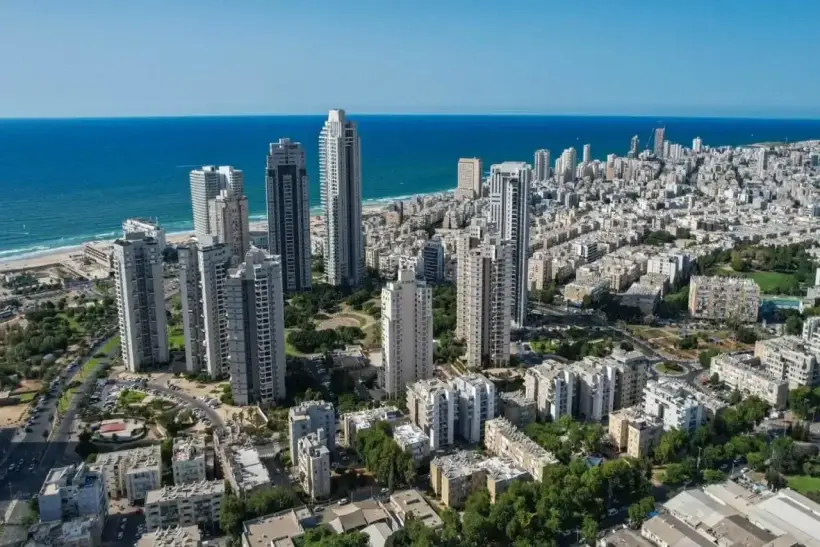
Just south of Tel Aviv, Bat Yam is framed as a pricing anomaly. It is on the coast and increasingly integrated into the metropolitan transit story. The Tel Aviv Light Rail Red Line explicitly serves Bat Yam as part of the corridor linking the southern edge of Gush Dan to the wider urban core, strengthening commuting convenience and expanding the set of buyers who can treat Bat Yam as “near Tel Aviv” in daily terms.
The Jerusalem Post argues that urban renewal and premium projects have begun reshaping parts of the city, yet prices still sit below what similar proximity would command a few kilometers north. It also stresses that not every deal is automatically “good value,” because outcomes depend heavily on specific streets and project types.
The North: when access starts to close the gap
Northern markets have long offered quality of life at a discount, with access as the traditional trade-off. The Jerusalem Post groups several locations into a broader trend where improving connectivity and regional planning begin to reduce that penalty, drawing renewed interest in towns such as Ma’alot, Kfar Vradim, Nof Kinneret, Katzrin and Hatzor HaGlilit, where relative affordability can persist longer than in the center but can reprice once the “inconvenience discount” shrinks.
As experts at International Investment report, Israel’s 2026 real estate narrative is increasingly shaped by infrastructure sequencing and demographic momentum rather than by a simple Tel Aviv versus Jerusalem frame. The most consequential moves often happen where connectivity is improving and perception is lagging, creating both opportunity for informed buyers and heightened risk for those who treat “discount” as a citywide fact rather than a street-by-street reality.