







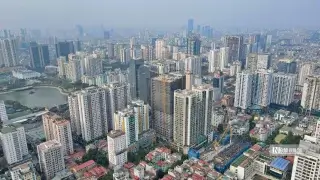
 Vietnam Mortgage Surge Pushes Homes Out of Reach
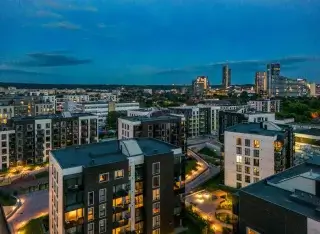 Lithuanian Apartment Prices Accelerate Across Major Cities
 London Flats Lose Value Ahead of Leasehold Reform
 Construction of the Batumi–Sarpi Highway Begins in Georgia
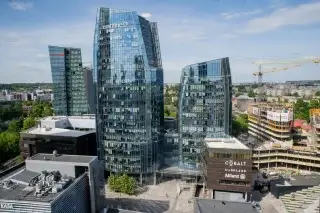 Baltic Property Investment Accelerates in 2026
 Hong Kong and Singapore Renew Their Expat Rivalry
Security and Real Estate Reshape Israel Investment Strategy
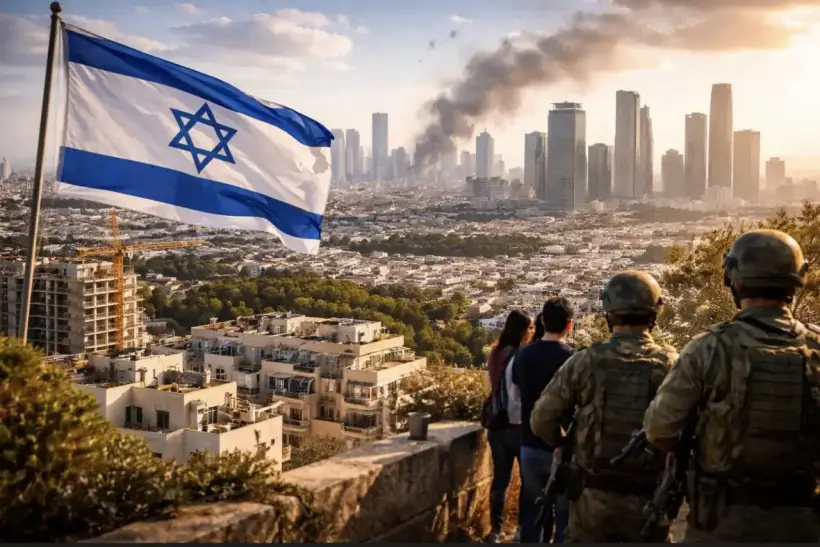
Israel is entering a period of strategic transformation in which security developments, economic resilience and investment behavior are increasingly interconnected. The recent military campaign known as Operation “Roaring Lion,” targeting key Iranian military infrastructure, has become a central factor shaping geopolitical dynamics in the Middle East and influencing how global investors and the Jewish diaspora view Israel.
At the same time, the nature of interest in Israeli real estate is evolving. For many investors, property in Israel is no longer viewed primarily as a symbolic asset or holiday residence but increasingly as a long-term strategic investment.
Operation Roaring Lion and regional security dynamics
Operation “Roaring Lion” involves targeted strikes against infrastructure linked to Iran’s nuclear and ballistic missile programs. The campaign is conducted in close coordination with the United States and within a broader regional alignment that appears stronger than in previous years.
Although the operation has resulted in casualties and damage within Israel, it represents a broader strategic effort aimed at reducing long-standing security threats in the region.
For Israeli society and Jewish communities abroad, such developments reinforce the long historical connection between national security considerations and the country’s economic and demographic future.
Economic resilience during geopolitical tensions
Despite heightened regional tensions, Israel’s economy continues to demonstrate resilience. The Tel Aviv Stock Exchange has remained relatively stable, the banking system continues to operate without systemic disruption, and unemployment levels remain comparatively low.
The technology sector remains a central pillar of economic strength, generating investment and foreign currency inflows. Israel’s high-tech ecosystem continues to attract global investors and maintains its reputation as one of the world’s leading innovation hubs.
The construction sector has also remained active, classified as an essential industry. Meanwhile, the housing market currently holds a substantial inventory of new residential units following slower property sales over the past two years.
Diaspora investors adopt a strategic approach
A notable shift is taking place in the behavior of Jewish investors abroad. Traditionally, many purchases were driven by emotional motivations, such as acquiring a symbolic holiday apartment in Israel.
Today, the conversation increasingly focuses on strategic investments. Discussions involve income-generating assets, entire residential buildings, bulk acquisitions within development projects, or homes that could serve as long-term family bases.
These decisions reflect long-term financial planning rather than short-term reactions to geopolitical headlines.
Immigration and property investment after the Iron Swords war
The earlier Iron Swords war already triggered increased immigration to Israel as well as significant real estate transactions by Jewish non-residents.
Some acquisitions have been organized through community structures, while others involve international entrepreneurs establishing Israeli real estate operations alongside their global businesses.
Such investments increasingly form part of broader long-term strategies linking business activity, residence planning and financial diversification.
Security and long-term economic positioning
Security developments often influence how individuals and investors plan for the future. As the perceived strategic landscape evolves, long-term financial decisions evolve as well.
For the Jewish diaspora, the connection with Israel is increasingly expressed not only through cultural or emotional ties but also through tangible economic positioning.
Real estate ownership has become one of the primary ways in which this long-term anchoring takes shape.
As International Investment experts note, the combination of geopolitical dynamics, migration flows and long-term capital allocation strategies is reshaping Israel’s real estate market. Diaspora investors increasingly view property in Israel not as symbolic ownership but as part of a strategic global asset portfolio.
At the same time, Israeli investors are increasingly expanding their investment geography beyond domestic assets. Markets offering higher yields and favorable business environments are attracting growing attention, particularly in the Caucasus region.
One of the most notable trends is the rising interest of Israeli investors in Georgian real estate. Market participants report increasing purchases of residential and commercial property in Tbilisi, Batumi and other cities, as investors seek diversification and long-term income-generating assets.
Georgia’s macroeconomic performance further strengthens this interest. The country’s economy expanded by 7.9% year-on-year in January 2026, while the European Bank for Reconstruction and Development raised its forecast for Georgia’s economic growth in 2026 from 5% to 5.5%, highlighting the country’s resilience and growing appeal for international investors, including entrepreneurs and private investors from Israel.