read also
 China Nears a Decision on Fresh Stimulus
 Fines for Illegal Rentals in Spain Reach €800,000
 Australia’s Spring Auctions Rise but Remain Well Below 2025
 Number of Foreigners Holding Turkish Residence Permits Exceeds 1.27 Million
 Demand from Russian Tourists for Holidays in Georgia Rises by 20–25%
 Montenegro Property Buying Costs in 2026
Italy / Tourism Italy / News / Analytics / Investments / Business / Tourism & hospitality 02.02.2026
Milano Cortina 2026 Reshapes Italy’s Tourism Market
Olympics Trigger Exceptional Pricing Pressure
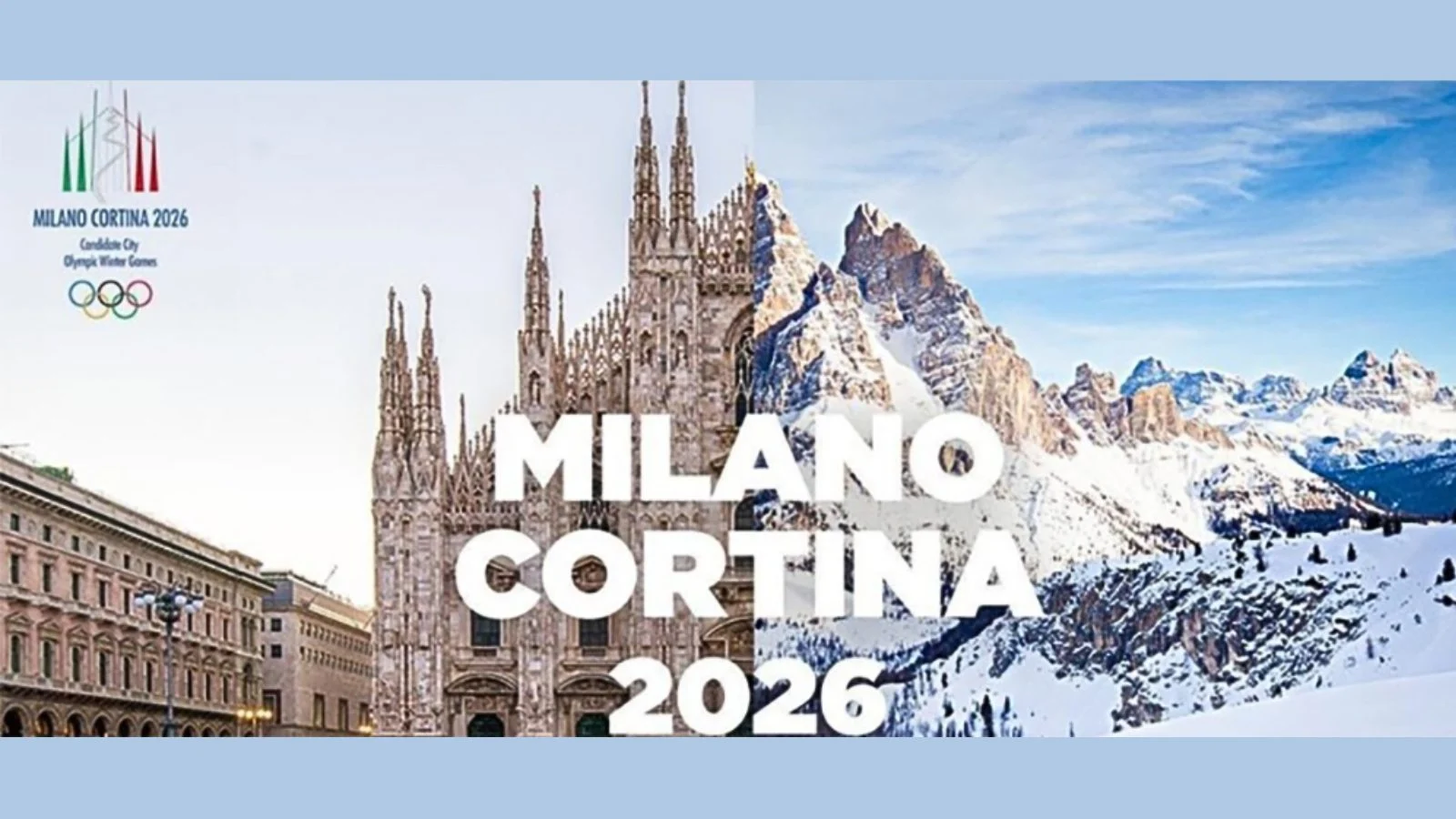
As the Milano Cortina 2026 Winter Olympics approach, Italy’s tourism market is already experiencing unprecedented strain. New insights from The Data Appeal Company and Mabrian show that accommodation rates across host destinations are set to more than double during the core Olympic period in February 2026. An estimated one million visitors are expected to converge on host cities and alpine resorts, intensifying pressure on hospitality capacity, transport systems and supporting infrastructure at a scale rarely seen outside mega-events.
Air Capacity Expands to Meet Global Demand
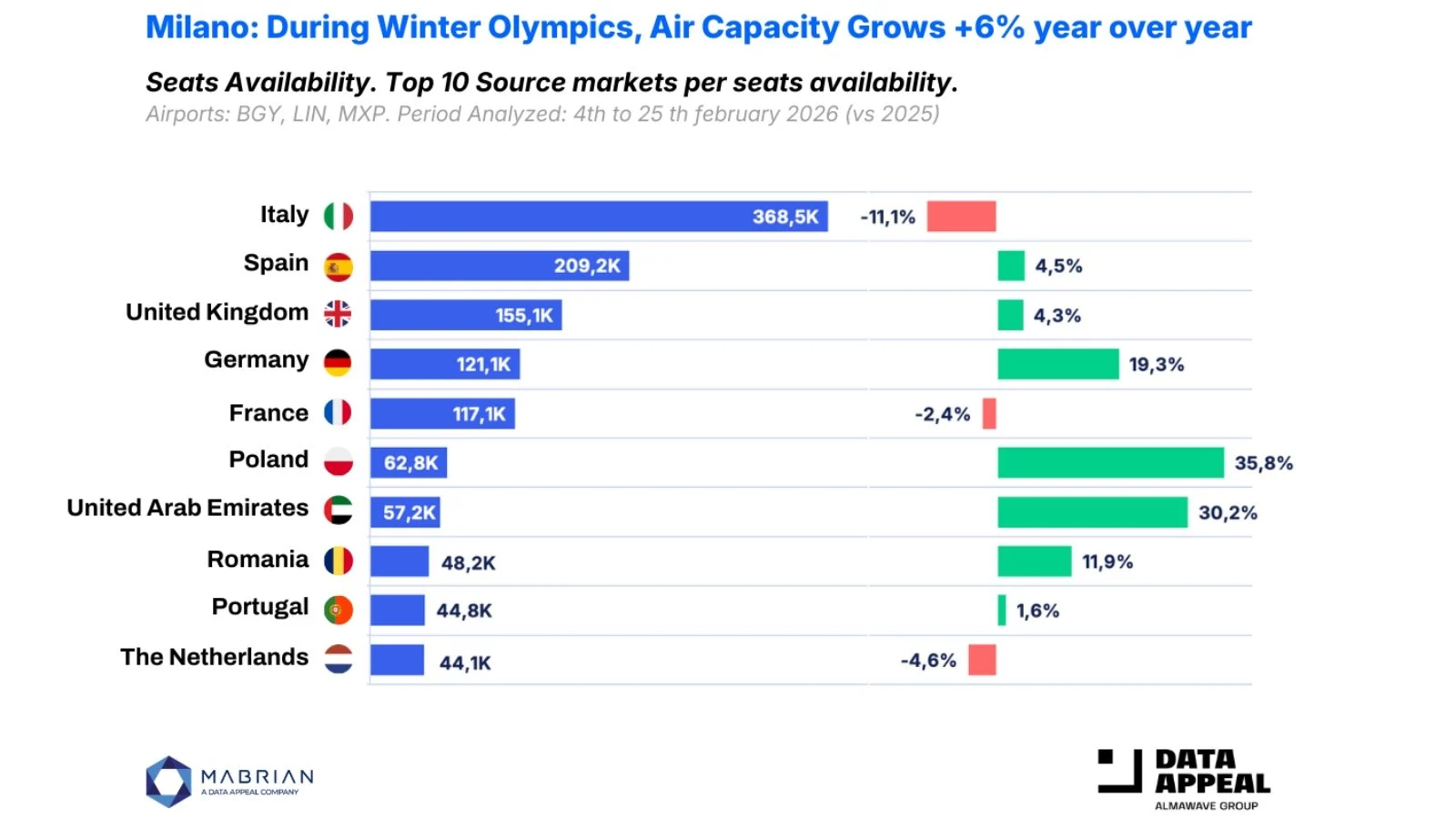
Air transport is responding rapidly to this surge. Milan is absorbing the bulk of international and long-haul demand, with total seat capacity rising by 6% year on year between 4 and 25 February 2026. Medium-haul capacity to Milan has expanded sharply, while long-haul connectivity has grown by nearly 20%, underscoring strong global interest in the Games. Venice, by contrast, shows steadier growth, reflecting a more balanced mix of domestic and European traffic rather than a sharp Olympic-driven spike.
Accommodation Prices Reach Extreme Levels
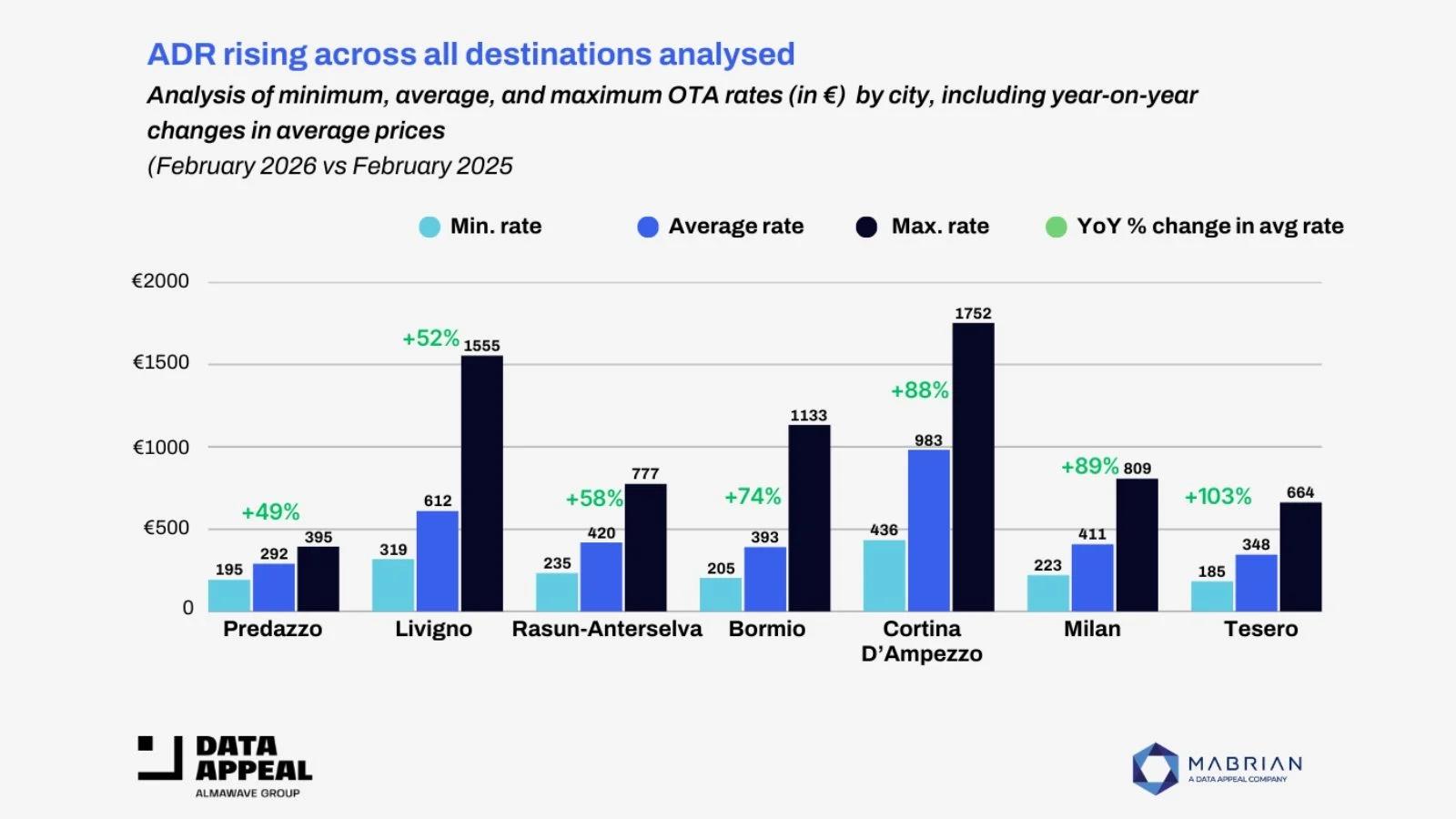
The strongest price inflation is concentrated in alpine host destinations. Cortina d’Ampezzo is recording average nightly rates close to €1,000, almost 90% higher than a year earlier, with peak prices exceeding €1,700. Livigno and Tesero also show steep increases, with Tesero posting the sharpest year-on-year rise despite remaining relatively affordable. The period between 10 and 17 February, when flagship events take place, is forecast to generate the most intense price pressure, including single-day spikes exceeding 140%.
Spending Patterns and Market Saturation
Total direct visitor spending linked to the Olympics is projected to surpass €291 million, driven primarily by accommodation costs, which dominate overall expenditure due to the international and extended-stay nature of demand. Dining and local transport also see notable increases, while short-term rentals experience particularly strong growth, reflecting shifting accommodation preferences. Online travel agency saturation across host cities is expected to peak well above typical seasonal levels, signaling an exceptionally tight market.
As reported by experts at International Investment, Milano Cortina 2026 represents a defining moment for Italy’s tourism economy, where Olympic-driven demand exposes both opportunity and fragility. The long-term value of the Games will depend not on visitor volumes alone, but on whether destinations can convert temporary price surges into sustainable infrastructure, reputation and investment gains.