







 Turkey Is Losing Its Cheap-Holiday Advantage
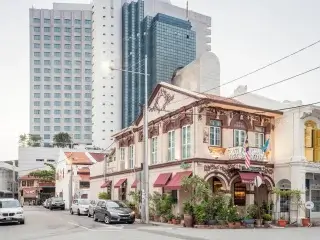 Development Is Rewriting Southeast Asia’s Historic Districts
 How Ukraine’s New-Build Housing Market Has Changed Over Four Years
 European Prime Rents Rise as Property Yields Turn Higher
 The Most Expensive Airlines in Europe in 2026
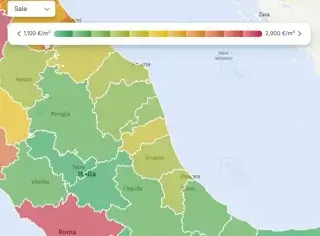 Housing Prices in Italy Reach a Two-Year High
Japan Cancels Fujiyoshida Cherry Blossom Festival
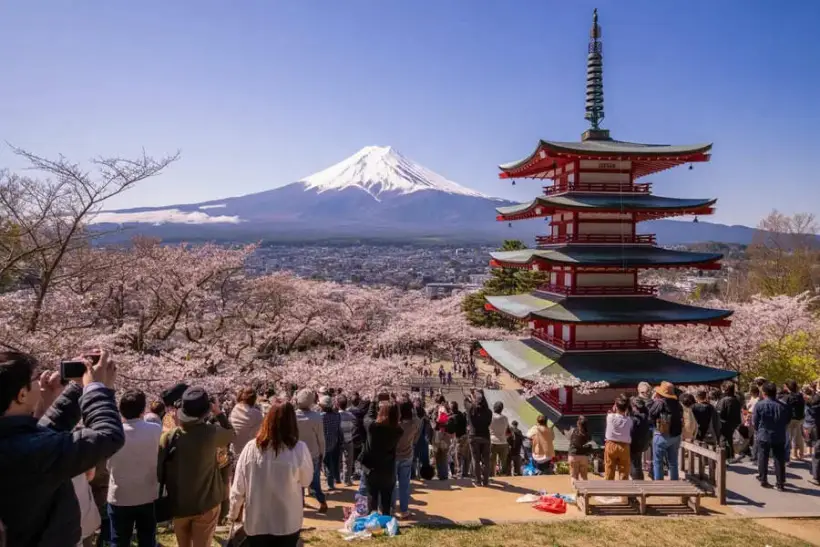
Fujiyoshida Halts Iconic Festival Amid Overtourism Concerns
Japan has taken a decisive step by cancelling the renowned Fujiyoshida Cherry Blossom Festival, citing escalating overtourism and disruptive visitor behaviour that has increasingly threatened local residents’ quality of life. The event, celebrated for its iconic views of Mount Fuji framed by cherry blossoms, has drawn massive crowds in recent years. However, growing congestion, littering and repeated incidents of tourists trespassing on private property prompted local authorities to prioritise community well-being over visitor numbers.
Weak Yen Fuels Record Tourism Growth
The decision comes against the backdrop of an unprecedented tourism surge across Japan. In 2025, the country welcomed a record 42.7 million international visitors, surpassing the previous high of 37 million. A weak yen has significantly amplified Japan’s appeal, making travel more affordable for foreign tourists. While this has boosted the national economy, smaller destinations like Fujiyoshida have borne the brunt of unmanaged visitor inflows.
Local Backlash and Pressure on Daily Life
Residents of Fujiyoshida have increasingly raised concerns about overcrowding and the erosion of everyday comfort. During peak cherry blossom season, traffic congestion became routine, while reports of littering and inappropriate conduct multiplied. Authorities acknowledged that such pressures were undermining the city’s tranquillity and prompting a reassessment of how tourism should be managed in culturally sensitive locations.
Tourist Demand Persists Beyond the Festival
Despite the cancellation, the park that traditionally hosted the festival remains a major attraction. Known for its cherry trees, panoramic Mount Fuji views and five-storey pagoda, the site continues to draw visitors seeking iconic imagery. Officials anticipate strong footfall during spring, reinforcing the need for crowd management even in the absence of formal events.
Regional Measures to Control Visitor Impact
In response to mounting pressure, Fujiyoshida and neighbouring towns have already introduced measures to curb overtourism. These include visual barriers at popular viewpoints, access restrictions in sensitive areas and the introduction of entry fees and daily visitor caps for certain routes. The measures aim to protect both the natural environment and the dignity of local communities.
A Turning Point for Japan’s Tourism Strategy
The cancellation of the Fujiyoshida Cherry Blossom Festival highlights a broader shift in Japan’s tourism policy. While international travel remains a key economic driver, authorities are increasingly focused on sustainability and social balance. The experience of Fujiyoshida underscores the risks of unchecked tourism and may influence future policies across other high-profile destinations.
As reported by experts at International Investment, Japan’s decision reflects a strategic move toward regulated and sustainable tourism, signalling that long-term preservation of local communities and cultural heritage is becoming central to the country’s tourism model.