







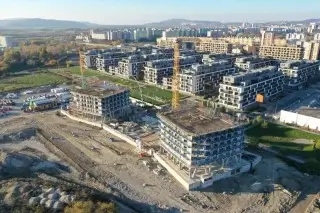
 Slovakia Reforms Building Rules as Housing Starts Slide
 EU Proposes New Restrictions on Short-Term Housing Rentals
 Canada Fast-Tracks Tax Rulings for C$1 Billion Investments
 China Nears a Decision on Fresh Stimulus
 Fines for Illegal Rentals in Spain Reach €800,000
 Australia’s Spring Auctions Rise but Remain Well Below 2025
Japan to Raise Residence Permit Fees by 12 Times to Up to $500

Japan is preparing a sharp increase in residence and permanent residence permit fees for foreign nationals. Experts argue that part of the new fee calculation is unjustified and warn that excessive increases could undermine the country's efforts to integrate foreign residents, according to Nippon TV.
Japan Revises Fee System for Foreign Residents
Japan's Immigration Services Agency has proposed a new method for calculating fees for residence-related procedures. Under the proposal, the fee for extending a period of stay or changing a residence status would increase from the current flat rate of JPY 6,000 to between JPY 10,000 and JPY 75,000 (approximately $64–500), depending on the length of the permit granted.
At present, applicants pay the same fee regardless of the validity period of their residence permit. Under the new system, longer residence periods would be subject to higher fees.
The maximum fee of JPY 75,000 would apply to the longest residence permits, meaning the highest charge would be more than 12 times the current rate.
The steepest increase would affect permanent residence applications. The fee for obtaining Japanese permanent residence would rise from JPY 10,000 to JPY 200,000 (around $1,300), a twentyfold increase.
The revised fee structure would also finance a new Japanese language and daily life learning program for foreign residents. The initiative would include language training as well as education on everyday rules, including tax obligations and waste disposal procedures.
How Japan Calculated the New Fees
The Immigration Services Agency said the new fees are based on two components. The first covers the actual administrative costs of processing applications to extend a period of stay or change residence status. These include personnel and operational expenses, estimated at around JPY 10,000 per applicant.
The second component reflects government spending on foreign resident policy. Total expenditure is estimated at JPY 57.2 billion (about $365 million). The agency divided this amount by the number of medium- and long-term foreign residents in Japan and added the resulting figure to the administrative processing cost.
Migration policy expenses also include the maintenance of immigration detention facilities and the cost of deporting individuals who are staying in Japan illegally.
Experts Question the New System
Atsushi Kondo, a professor at Meijo University specializing in immigration policy, said that increasing fees to cover administrative costs can be justified. In his view, moderate fee increases are acceptable if the additional revenue is used to improve support services for migrants and promote social integration.
However, he opposed the scale of the proposed increase. According to Kondo, placing an excessive financial burden on foreign residents could make their integration into Japanese society more difficult.
The professor also criticized the methodology used to calculate the fees. He argued that including deportation costs is inappropriate because these expenses are unrelated to foreigners who legally reside in Japan. As a result, the final fees could become disproportionately high.
Kondo also called for broader eligibility for fee reductions and exemptions. He said the current proposal covers too narrow a group of people. In many countries, financial hardship or humanitarian reasons can qualify applicants for a full fee waiver rather than merely a reduced payment.
Public Consultation Completed
Japanese Justice Minister Hiroshi Hiraguchi said the cost of ensuring fair immigration control and residence management continues to rise. According to him, the government must secure sufficient funding for these activities, and foreign residents should bear an appropriate share of the associated costs.
The proposal was open for public consultation until August 2. After reviewing the submitted comments, the government plans to introduce the new fees on October 1.
The Immigration Services Agency emphasized that higher fees must be accompanied by better administrative services. Officials said the increase would place greater responsibility on the agency itself to provide services that match the new fee levels.