







 Development Is Rewriting Southeast Asia’s Historic Districts
 How Ukraine’s New-Build Housing Market Has Changed Over Four Years
 European Prime Rents Rise as Property Yields Turn Higher
 The Most Expensive Airlines in Europe in 2026
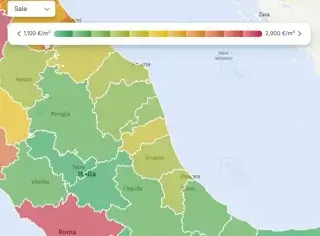 Housing Prices in Italy Reach a Two-Year High
 Travellers Increasingly Choose Cooler Scandinavia
Moody’s Downgrades Indonesia’s Rating Outlook to Negative
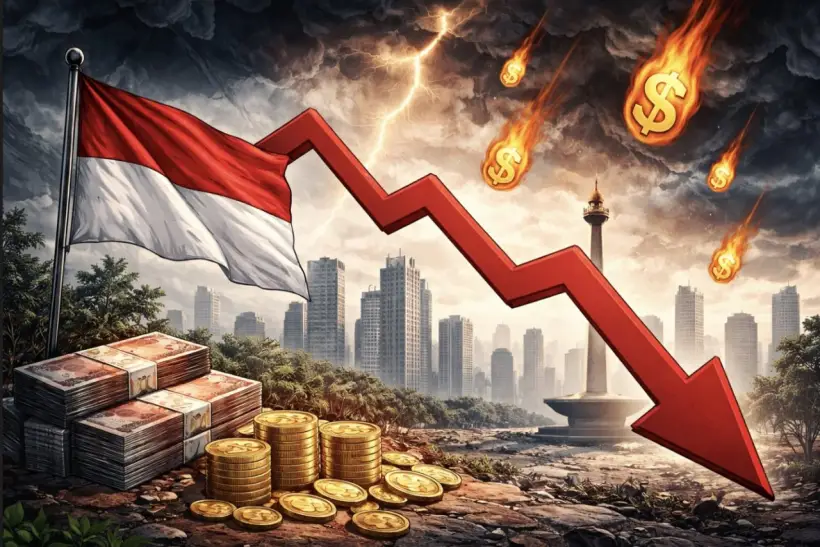
Moody’s Decision and Its Implications
International credit rating agency Moody’s Investors Service has confirmed Indonesia’s sovereign credit rating at Baa2, but revised the outlook to “negative” from a previously stable outlook, according to financial news reports. This adjustment signals increased concerns about Indonesia’s future economic trajectory and underscores growing risks for investors and global lenders.
Economic Context Behind the Outlook Change
While Moody’s maintained the Baa2 rating, the shift to a negative outlook suggests that the agency sees heightened risk of future downgrade if economic performance diverges from expectations. Such changes often reflect anticipated slowing growth, fiscal pressures, or external vulnerabilities that could affect a country’s ability to service debt. Although Moody’s has not released a full public statement, financial coverage indicates that broader global uncertainties and emerging domestic challenges influenced this outlook revision.
What a Negative Outlook Means
A negative outlook from a ratings agency like Moody’s implies that there is a greater likelihood of a downgrade within the next 12–18 months if certain economic or fiscal conditions deteriorate. For sovereign issuers, this can translate into higher borrowing costs, diminished market confidence, and recalibrated risk assessments among global institutional investors.
Investor and Market Implications
For international investors and financial institutions focused on risk-adjusted returns, the Moody’s outlook change may prompt portfolio reassessment, especially in emerging market allocations. Although Indonesia remains investment grade at Baa2, the uncertainty reflected in the negative outlook could temper appetite for Indonesian sovereign bonds and affect currency stability.
As reported by experts at International Investment, Moody’s revision of Indonesia’s credit outlook to negative highlights rising economic and fiscal risks facing the country. While Indonesia maintains an investment-grade rating, the shift raises concerns about future cost of borrowing and investor confidence. Market participants are advised to closely monitor Indonesia’s macroeconomic trends and policy responses as external and internal pressures evolve.