







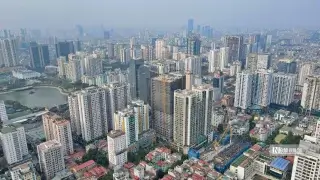
 Vietnam Mortgage Surge Pushes Homes Out of Reach
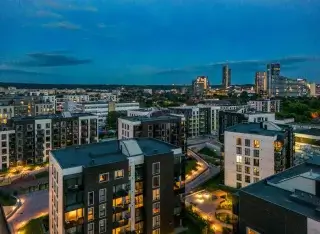 Lithuanian Apartment Prices Accelerate Across Major Cities
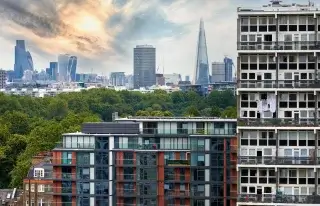 London Flats Lose Value Ahead of Leasehold Reform
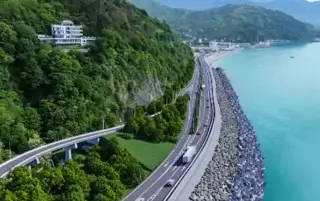 Construction of the Batumi–Sarpi Highway Begins in Georgia
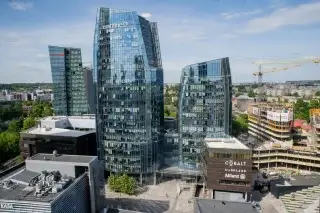 Baltic Property Investment Accelerates in 2026
 Hong Kong and Singapore Renew Their Expat Rivalry
Winter Storm Disrupts Washington Commute

Lingering impact of Winter Storm 2026
The record-breaking winter storm that struck the Washington D.C. metropolitan area in late January 2026 continues to disrupt daily life well into February. While snowfall itself has long subsided, commuters are now contending with frozen remnants that have reshaped traffic patterns and transit operations across the region.
More than 20 centimeters of snow fell across the District, but freezing rain and prolonged sub-zero temperatures proved more disruptive. Melted snow quickly refroze, creating dense ice formations that have resisted cleanup efforts and significantly altered the urban landscape.
Ice buildup challenges urban mobility
Large ice piles have become a defining feature of streets in Northern Virginia, Maryland suburbs and central Washington neighborhoods. Formed after rapid plowing followed by a deep freeze, these ice mounds have narrowed roadways and reduced visibility, complicating traffic flow.
Pedestrian infrastructure has been particularly affected. Sidewalks in areas such as Capitol Hill, Silver Spring and Columbia Heights remain covered in uneven ice, while bus stops are often blocked by hardened ice barriers, increasing the risk of slips and minor injuries.
Public transit under prolonged strain
The Washington Metropolitan Area Transit Authority has remained in extended recovery mode for nearly two weeks. Thousands of workers and extensive de-icing resources have been deployed, yet operational constraints persist.
Bus services are the most heavily impacted, with many routes still operating on temporary snow detours due to inaccessible side streets. Rail services continue to function more reliably underground, but above-ground stations require constant de-icing to prevent third-rail icing, resulting in ongoing delays.
Social and economic consequences
The prolonged disruption has taken a tangible toll on residents. School drop-offs have become hazardous as buses struggle to reach normal stops, and daily commutes demand heightened physical and mental effort. Productivity losses are mounting as delays compound across the region.
Nationally, damages from the winter storm are estimated to exceed $4 billion, with the Washington area bearing a significant share through cleanup costs and reduced economic activity.
Weather outlook and infrastructure lessons
The National Weather Service forecasts continued below-freezing temperatures and potential Arctic air incursions, suggesting that ice conditions will persist in the near term. Relief is unlikely until a sustained thaw arrives.
As experts at International Investment report, the Washington experience highlights the growing exposure of urban infrastructure to extreme winter events. They note that long-term investment in climate-resilient transport systems and winter maintenance technologies will become increasingly critical to mitigating economic losses and ensuring mobility in major metropolitan areas.