











Europe Flights Disrupted as Hundreds Delayed

Major European airports face widespread delays and cancellations
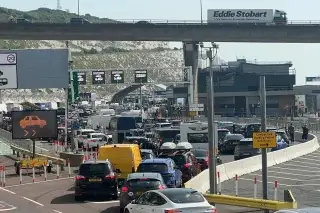
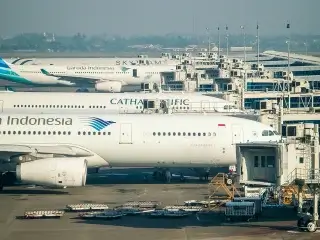
Europe’s aviation network faced significant disruption on March 11, 2026, after hundreds of flights were delayed and dozens cancelled across some of the continent’s busiest airports. Aviation authorities reported approximately 661 delayed flights and 68 cancellations affecting major hubs in France, the United Kingdom, Germany, the Netherlands, and Spain.
The disruption caused major inconvenience for thousands of travelers across the region. Several international airlines including Qatar Airways, Emirates, Delta Air Lines, Qantas, Lufthansa, and British Airways were affected by the operational chaos.
The ripple effects extended far beyond Europe, impacting connecting flights to global destinations including Dubai, Zurich, London, and Luxembourg, which serve as key transit points in international aviation networks.
Airspace congestion and weather drive disruption
Industry experts say the disruptions were caused by a combination of airspace congestion, unfavorable weather conditions, and operational limitations at major airports.
Europe’s aviation network is among the most densely used in the world, meaning even minor disruptions can quickly cascade across multiple airports and airline schedules.
During early March 2026, weather disturbances combined with high traffic volumes created a chain reaction of delays. Once flights are delayed at major hubs, aircraft rotations and crew schedules are disrupted, affecting dozens of subsequent departures.
London Heathrow among the hardest hit airports
London Heathrow, one of the world’s busiest aviation hubs, recorded some of the most severe disruptions during the incident.
Approximately 146 flights were delayed and 32 were cancelled at the airport. Long-haul routes connecting the United Kingdom with the Middle East were particularly affected.
British Airways faced multiple delays and cancellations on flights departing for destinations including Dubai, Abu Dhabi, Doha, and Tel Aviv.
Flights operated by Qatar Airways and Emirates were also affected, highlighting the importance of Heathrow as a major hub for intercontinental travel.
Paris, Amsterdam and Frankfurt also see major delays
Paris Charles de Gaulle Airport experienced similar operational challenges. The airport recorded around 146 delayed flights and 15 cancellations.
Air France reported dozens of delays on international routes, including services to Saudi Arabia and the United Arab Emirates. Additional cancellations were recorded for Qatar Airways and Israeli carrier El Al.
Amsterdam Schiphol Airport saw approximately 173 delayed flights and nine cancellations, with KLM responsible for the majority of delayed services. Delta Air Lines and Emirates also experienced operational disruptions on international routes.
Frankfurt Airport, a key hub for Lufthansa, reported around 145 delayed flights and several cancellations, including flights operated by Qatar Airways.
Barcelona airport also affected by cancellations
Barcelona El Prat Airport reported more than 50 delays and several cancellations.
Qatar Airways experienced multiple cancellations on routes connecting Barcelona with Doha, while Lufthansa, Turkish Airlines, and easyJet also reported delays.
These disruptions placed additional pressure on connecting flights and created complications for travelers relying on European hub airports for international transfers.
Major airlines face operational pressure
Several global airlines were heavily impacted by the disruptions.
Qatar Airways recorded multiple cancellations across major European airports. Emirates faced delays at hubs including Heathrow, Charles de Gaulle, and Schiphol.
British Airways experienced major scheduling issues at Heathrow, particularly on routes to Dubai, Doha, and Abu Dhabi.
Delta Air Lines also faced delays affecting passengers traveling on transatlantic routes between Europe and North America.
Passengers face long waits and rebooking challenges
The widespread flight disruptions resulted in long queues at airports, missed connections, and urgent rebooking for thousands of travelers.
Many passengers had to wait for alternative flights or adjust travel plans, with some delays lasting several hours or even extending overnight.
Airlines and airport authorities advised passengers to monitor flight updates closely and remain in contact with their carriers regarding schedule changes.
Passenger rights and compensation rules
Under European Union regulation EC261, passengers may be entitled to compensation, assistance, or refunds in cases of flight cancellations or significant delays.
However, eligibility depends on the cause of the disruption. If delays are caused by extraordinary circumstances such as severe weather or airspace restrictions, airlines may not be required to provide financial compensation.
Nevertheless, carriers must still provide assistance to affected passengers, including meals, accommodation if necessary, and alternative travel arrangements.
As experts at International Investment report, the scale of flight delays across European airports highlights the growing vulnerability of the global aviation system to a combination of weather disruptions, airspace congestion, and geopolitical instability, factors that increasingly create cascading operational risks for airlines and travelers.