







 China Nears a Decision on Fresh Stimulus
 Fines for Illegal Rentals in Spain Reach €800,000
 Australia’s Spring Auctions Rise but Remain Well Below 2025
 Number of Foreigners Holding Turkish Residence Permits Exceeds 1.27 Million
 Demand from Russian Tourists for Holidays in Georgia Rises by 20–25%
 Montenegro Property Buying Costs in 2026
Drone Strike Triggers Fire in Fujairah Oil Zone
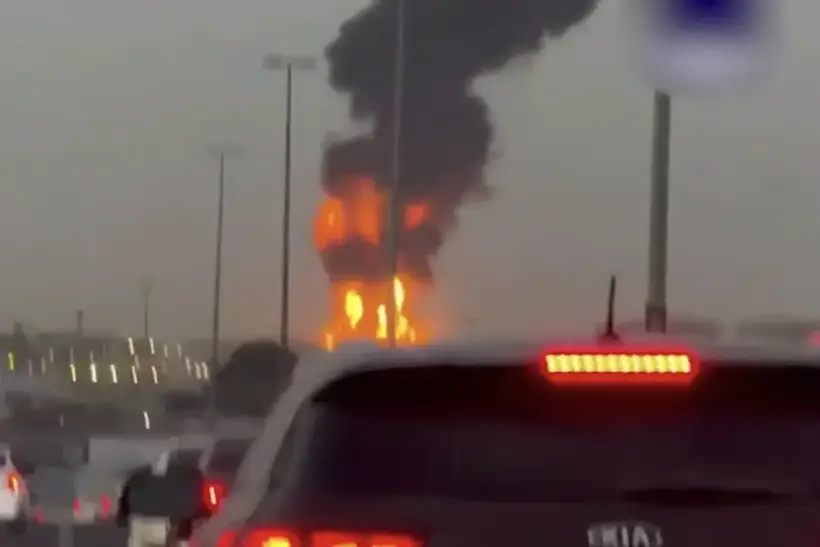
UAE confirms drone attack on Fujairah oil district
UAE authorities said a drone strike hit the Fujairah Oil Industry Zone, triggering a major fire in one of the country’s key energy and logistics hubs. Early reports said emergency crews were deployed immediately and that no casualties had been recorded. Later, state media said the fire had been brought under control and that normal operations in the area had resumed.
The incident is highly significant because Fujairah is one of the UAE’s most strategic oil and bunkering centers. Located on the Gulf of Oman outside the Strait of Hormuz, the emirate plays a critical role in fuel storage, shipping and export logistics. Any attack on infrastructure in Fujairah therefore carries consequences well beyond the local market and quickly feeds into broader concerns about regional energy security.
What is known about the Fujairah fire
According to the initial reports, the blaze broke out after the drone strike hit the oil industry area. Emergency and civil defense teams moved in to contain the fire, while authorities monitored the wider impact on nearby facilities. Subsequent official updates said the fire was under control and confirmed that there were no deaths or injuries.
That sequence matters because first reports in this kind of crisis often focus on the attack itself, while official confirmation of containment arrives later. The most reliable picture at this stage is that the strike did take place, the fire was serious enough to trigger a major emergency response, and authorities later stabilized the situation without reported casualties.
Why Fujairah matters to the oil market
Fujairah is one of the Gulf’s most important energy gateways, and earlier reporting showed that attacks or disruptions there can affect oil-loading operations and regional logistics. Because the emirate sits outside the Strait of Hormuz, it is especially important for the UAE’s efforts to keep exports moving even during periods of heightened tension. A strike on this infrastructure therefore raises immediate questions for traders, shippers and insurers.
Oil markets have already been reacting nervously to attacks on strategic infrastructure across the region. Recent coverage showed crude prices climbing sharply as investors priced in the risk of further disruption to supply routes and energy facilities in the Gulf. Even if the Fujairah fire has been contained, the attack itself reinforces fears that critical oil infrastructure remains exposed to geopolitical escalation.
The attack adds to wider security pressure in the UAE
The Fujairah incident came amid broader regional escalation that has already affected transport and energy infrastructure elsewhere in the UAE. Emirati officials have said in recent international communications that attacks on the country carry wider implications because the UAE serves as a major node for trade, aviation, shipping and energy flows. That makes strikes on civilian infrastructure especially important for global markets, not only for local security.
Even without casualties, the attack sends a strong signal to investors and businesses operating in the Gulf. It suggests that geopolitical risk is increasingly targeting infrastructure with commercial and strategic value, from airports to oil facilities. For companies exposed to shipping, insurance, commodities or Middle East logistics, Fujairah is now even more central to regional risk calculations.
As experts at International Investment note, the strike on the Fujairah oil district shows how quickly geopolitical confrontation in the Middle East is moving onto the infrastructure level. Even though the fire was later contained, an attack on one of the UAE’s most important energy hubs increases sensitivity across oil markets, logistics chains and regional risk pricing.