







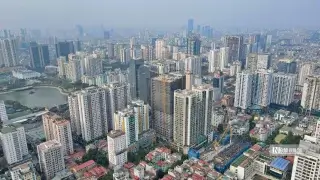
 Vietnam Mortgage Surge Pushes Homes Out of Reach
 Lithuanian Apartment Prices Accelerate Across Major Cities
 London Flats Lose Value Ahead of Leasehold Reform
 Construction of the Batumi–Sarpi Highway Begins in Georgia
 Baltic Property Investment Accelerates in 2026
 Hong Kong and Singapore Renew Their Expat Rivalry
Georgia introduces C5 visa for foreigners: remote work for foreign companies allowed
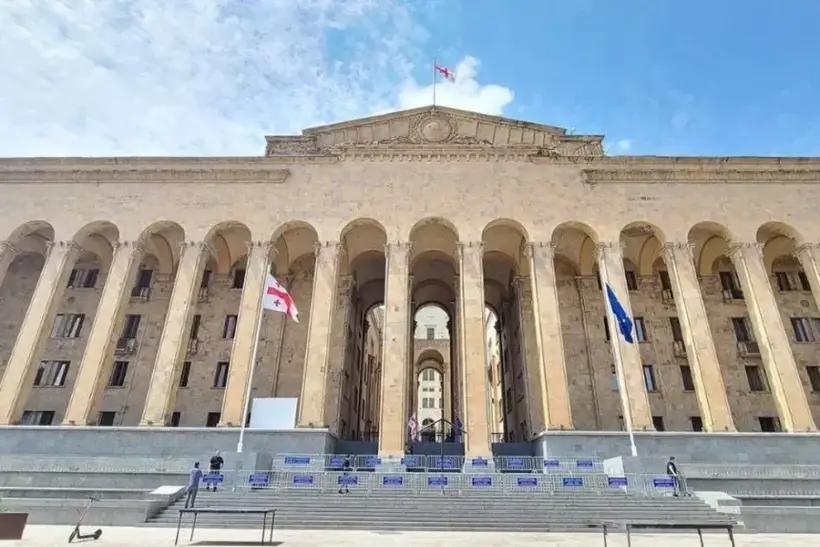
The Parliament of Georgia has approved a new C5 visa category, expanding the opportunities for foreigners to stay in the country. The decision was made as part of updates to migration legislation, aimed at adapting the system to the growing number of mobile professionals choosing Georgia as a place of residence. The amendments were reviewed in three readings. The procedure was completed on April 15, 2026, with 72 members of parliament voting in favor of introducing the new Georgian visa.
What is the Georgia C5 visa
The C5 visa will be issued for a period of five years, while continuous stay in the country is allowed for one year. It is intended for foreigners entering for short-term purposes: tourism or short-term work for companies located outside Georgia. This visa category is also issued to the applicant’s spouse and minor children. The fee for processing and issuing a C5 visa ranges from 20 to 500 US dollars.
An expedited review procedure is also provided based on a legal act of the Government of Georgia. During parliamentary discussions, it was clarified that in certain cases, visa refusal decisions may not require a mandatory explanation of reasons. In addition, a new ground for refusal has been introduced — state migration policy — and such decisions are not subject to appeal.
Attractive visa regime in Georgia
The Chair of the EU Integration Committee, Levan Makhashvili, explained that migration flows have significantly changed due to geopolitical competition. In particular, new trends have emerged in the context of developments in the Middle East. “Georgia has the opportunity to attract high-income remote workers through an attractive visa regime,” he noted. There will be no need to repeatedly apply for short-term visas: visitors will be able to enter the country multiple times after paying the fee and carry out their activities in Georgia under the same visa.
“High-income tourists typically spend more in the country, which increases revenues, strengthens the service sector, including hotels, restaurants and other businesses, and ensures an additional inflow of foreign currency into the economy,” Makhashvili stressed, adding that the C5 visa category creates additional opportunities for attracting investment and plays an important role in improving the country’s international image.
Labor migration law
Georgia is also changing its labor migration legislation. Since March 1, 2026, a work permit requirement has been introduced for foreigners without permanent residency. In April, new amendments were adopted that eased the conditions: certain categories are exempt from this procedure.
Foreign nationals who earn income from foreign clients located outside Georgia may work without a permit, provided their services are not offered on the Georgian domestic market. The same applies to remote employees of foreign companies if their work is not connected to Georgian employers or local projects.
Company executives and members of governing bodies are also included in the list of exemptions. In addition, the reform allows short-term projects without a work permit if the activity is temporary and does not imply permanent participation in Georgia’s labor market.
Conclusion
Analysts at International Investment note that the adopted changes create a more structured and predictable migration system in Georgia. The country continues to build clear rules for foreigners, combining the development of the tourism sector, attraction of remote professionals, and support for investment activity.
The new C5 visa strengthens Georgia’s attractiveness as a destination for long-term stays without complex administrative procedures, while also offering more flexible conditions for digital nomads and high-income travelers. Updates to labor migration legislation make working rules more transparent by introducing clear criteria. Georgia strengthens its position as a country focused on openness, mobility, and comfortable conditions for foreign visitors, remote professionals, and investors, combining economic interests with a clearer and more manageable migration framework.
FAQ: C5 visa and new rules for stay and work in Georgia (2026)
Who can obtain the C5 visa?
The C5 visa is intended for foreigners entering the country for short-term purposes, including tourism or short-term work for companies outside Georgia. It also applies to the applicant’s spouse and minor children.
How long is the C5 visa valid?
The C5 visa is issued for five years. Continuous stay in Georgia under this visa is limited to one year.
Can you work remotely on a C5 visa?
Yes. Eligible categories include non-residents working for foreign companies or clients outside Georgia, provided their activity is not linked to the Georgian market.
How much does the C5 visa cost?
The fee for processing and issuing the visa ranges from 20 to 500 US dollars.
Can the application be fast-tracked?
Yes. An expedited review is possible based on a legal act of the Government of Georgia.
Can a visa be refused without explanation?
In certain cases, refusal decisions may not include a mandatory explanation. These decisions fall under state migration policy.
Can a refusal be appealed?
Decisions based on state migration policy are not subject to appeal.
What has changed in labor migration law?
Since March 1, 2026, a work permit requirement has been introduced for foreigners without permanent residency. In April 2026, amendments eased the rules and expanded exemption categories.
Who does not need a work permit?
Foreigners earning income from clients outside Georgia, remote employees of foreign companies not linked to Georgian employers, company executives, and individuals working on short-term projects without permanent presence in the Georgian labor market are exempt.
What changes for foreigners overall?
Georgia is building a more structured migration system with separate regimes for tourism and remote work, clearer labor market rules, and a more transparent residency framework while maintaining its attractiveness for relocation and investment.