







 Vietnam Mortgage Surge Pushes Homes Out of Reach
 Lithuanian Apartment Prices Accelerate Across Major Cities
 London Flats Lose Value Ahead of Leasehold Reform
 Construction of the Batumi–Sarpi Highway Begins in Georgia
 Baltic Property Investment Accelerates in 2026
 Hong Kong and Singapore Renew Their Expat Rivalry
Price cut follows record premiums
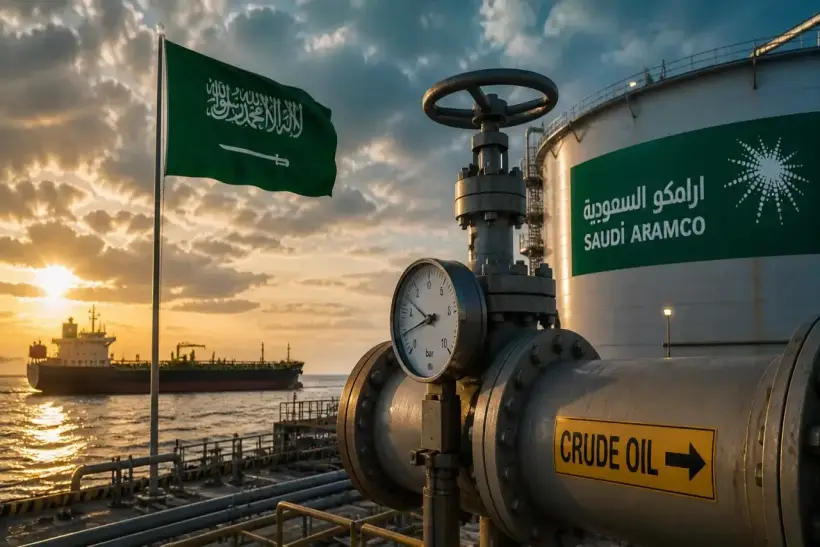
Saudi Aramco reduced the official selling price of its flagship crude grade for Asian buyers after premiums reached historic highs driven by supply disruptions and geopolitical tensions.
The official selling price serves as a benchmark for long-term contracts and reflects Saudi Arabia’s view of regional demand and market conditions.
Geopolitics and demand send mixed signals
The move comes amid conflicting forces. The Middle East conflict disrupted traditional pricing systems, prompting Asian refiners to seek alternative benchmarks.
At the same time, global markets are showing signs of softer demand and oversupply. Saudi Arabia has already cut prices multiple times earlier in 2026 as supply outpaced demand growth.
Asia remains central to strategy
Asia is the largest destination for Saudi crude exports, making pricing decisions for the region especially significant. Changes in official selling prices signal expectations about economic activity in China, India and other major importers.
Recent Bloomberg data indicated that shipments to Asia had already been affected by geopolitical disruptions, including instability around the Strait of Hormuz.
The strait is one of the world’s most critical oil transit routes, and disruptions can immediately impact shipping costs and supply flows.
Saudi pricing strategy adjusts to market reality
Saudi Arabia uses pricing as a strategic tool to manage demand and market share. Lower prices can encourage refiners to increase purchases and maintain throughput.
Because Saudi prices influence a large share of global oil trade, the June cut may set the tone for other Middle Eastern producers.
Markets read signal of shifting balance
The combination of geopolitical risk and price adjustments creates a complex outlook. While supply risks support higher prices, the cut suggests weakening fundamentals.
Amid the Strait of Hormuz crisis — described as one of the largest energy disruptions in decades — pricing decisions are increasingly viewed as indicators of real demand rather than just geopolitical risk.
As experts at International Investment report, Saudi Arabia’s move reflects a transition from risk-driven pricing to demand-driven adjustments. The key risk for 2026 is the coexistence of geopolitical instability and weakening consumption, which could lead to higher volatility and unpredictable price swings.
FAQ
Why did Saudi Arabia cut oil prices?
To respond to weaker demand and maintain competitiveness in key markets.
What is the official selling price?
It is the benchmark price set by Saudi Aramco for long-term oil contracts.
Why is Asia important?
It is the largest market for Saudi crude exports.
How does the Strait of Hormuz affect oil markets?
Disruptions there can significantly impact global oil supply and prices.