












Philippines Raises Rates Again
The Philippine central bank raised interest rates for a second consecutive meeting, trying to contain inflation driven by the Middle East conflict, higher oil prices and pressure on the peso. The decision sent a clear signal to markets: Manila is prepared to accept weaker growth risks to bring prices back toward target.
Policy rate rises to 4.75% as prices stay elevated
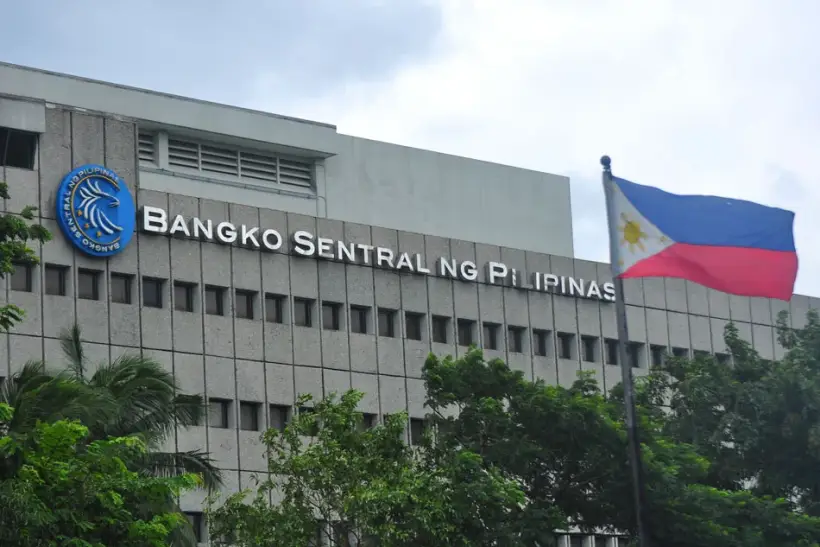
Bangko Sentral ng Pilipinas, the Philippine central bank, raised its key policy rate by 25 basis points to 4.75% on June 18. A basis point is one-hundredth of a percentage point, so a 25-basis-point move equals a quarter-point increase. The decision marked the second consecutive tightening move after an April rate hike.
Bloomberg reported that the central bank acted again because inflation has been intensified by the Middle East conflict. That shock is particularly important for the Philippines because the country imports almost all of its oil needs and is highly exposed to disruptions in energy supply. More expensive oil quickly feeds into transport, electricity, food and logistics costs.
The central bank also raised its lending facility rate to 5.25%. That means short-term funding costs for banks and businesses will increase, making credit conditions tighter across the economy. The goal is to cool demand, contain inflation expectations and support the national currency.
Inflation remains above the central bank’s target
The Philippine Statistics Authority said annual inflation eased to 6.8% in May from 7.2% in April. That was a moderation, but inflation remains far above the central bank’s 2% to 4% target range. Average inflation from January to May reached 4.5%, already above the upper end of the target band.
The challenge for the central bank is that May’s decline does not yet signal a durable turning point. Pressure remains visible in transport costs, fuel, fertilizer and food. In an economy with high energy-import dependence and a sensitive food basket, this creates the risk of second-round effects, where higher fuel prices spread into nearly every daily expense.
Monetary policy is the set of central bank decisions on rates, liquidity and credit conditions. By raising rates, the central bank makes borrowing more expensive, slows consumer and investment demand and tries to reduce price growth. But when inflation is caused by an external oil shock, the effect of rate hikes is limited: the central bank cannot lower global oil prices directly, but it can anchor expectations and support the currency.
Middle East conflict hits oil importers
The Philippines is among the Asian economies most exposed to the energy shock. The country imports nearly all the oil it consumes, which means higher global prices quickly affect domestic fuel costs. The government has warned that it may take up to a year for local fuel prices to return to pre-war levels.
For consumers, that means more expensive transport, delivery and essential goods. For businesses, it means higher operating costs, especially in transport, agriculture, retail and manufacturing. For the central bank, it raises the risk that inflation stays above target for longer.
Financial markets respond not only to current inflation but also to expectations. If households and companies begin to treat high inflation as normal, behavior changes: workers demand higher wages, companies raise prices in advance and suppliers revise contracts. That is why central banks often act pre-emptively, even when economic growth is already slowing.
Peso pressure adds to imported inflation
Another reason for the rate increase is support for the Philippine peso. A weaker currency makes imports more expensive and therefore adds to inflation. In 2026, the dollar strengthened against the peso, with the exchange rate moving above 61 pesos per dollar, adding to the central bank’s concerns.
Higher interest rates increase the yield on peso assets and can make them more attractive to investors. That may partly reduce pressure on the currency. The effect, however, depends on global conditions: if the dollar remains strong and investors move into haven assets, a domestic rate increase may slow currency weakness without reversing it.
The currency channel is especially important for the Philippines because imported goods are a significant part of the consumer basket. The weaker the peso becomes, the more expensive fuel, fertilizer, raw materials and some food items become. That usually feeds into retail prices with a delay.
Central bank keeps door open to more hikes
Governor Eli Remolona said the central bank is ready to take further action if inflation does not return to target. International business media reported that the debate still includes the possibility of another increase at a scheduled meeting or even a larger move if price pressure intensifies.
For markets, that is an important signal. The central bank is showing that it does not view the April and June hikes as necessarily sufficient. If oil prices remain high, the peso stays under pressure and core inflation rises, rates could increase again.
Core inflation measures price growth excluding the most volatile components, usually food and energy. If core inflation accelerates, it means price pressure is broadening and is no longer limited to oil or a small group of goods.
Inflation fight comes at a cost to growth
Tighter policy comes at a time when Philippine growth already looks less secure. The Asian Development Bank forecasts gross domestic product growth of 4.4% in 2026 and 5.5% in 2027. Gross domestic product is the total value of goods and services produced by an economy over a period of time.
Growth of 4.4% remains strong compared with advanced economies, but for the Philippines it is moderate, given demographics, domestic demand and investment needs. More expensive credit may cool consumption, slow small businesses and delay investment projects.
That is the central choice facing Bangko Sentral ng Pilipinas: policy that is too loose could allow inflation to remain above target, while policy that is too tight could hurt employment, lending and income growth. For now, the central bank has identified inflation as the greater risk.
Philippines moves in the same direction as Indonesia
Manila’s decision is part of a broader Asian pattern. Regulators in energy-importing economies are being forced to respond to higher oil prices, weaker currencies and capital outflows. Indonesia also raised interest rates amid pressure on the rupiah and inflation risks.
For Southeast Asia, this marks a shift after a period of easing expectations. Investors had recently expected regional central banks to cut rates as inflation slowed. The Middle East conflict and higher energy costs have changed that path.
The Philippines is among the countries where the turn is especially visible. Inflation is above target, the currency is under pressure and oil-import dependence makes the economy sensitive to external shocks. The policy rate has therefore become a tool not only against inflation but also against currency instability.
What comes next for the Philippine economy
In the coming months, markets will watch three indicators: oil prices, the peso and core inflation. If oil stays expensive and the peso weakens further, the central bank may raise rates again at its next meeting. If energy markets stabilize, policymakers will have more room to pause.
Consumer behavior will also matter. If households cut spending because of expensive fuel and food, growth will slow more quickly. If demand remains resilient, inflation pressure may last longer than markets expect.
as reported by International Investment experts, the Philippine rate hike shows the limits of monetary policy during an external energy shock. Higher rates can support the peso and cool inflation expectations, but they do not remove the main source of the problem: dependence on imported oil and vulnerability to geopolitical supply disruptions. For investors, this means the Philippines is entering a more difficult cycle in which growth will depend not only on domestic demand but also on oil prices, currency stability and the government’s ability to protect consumers without overstimulating public spending.
FAQ on the Philippine rate hike and inflation
Why did the Philippine central bank raise rates?
The central bank raised rates to fight inflation, support the peso and contain inflation expectations. The main drivers were higher oil prices, the Middle East conflict and pressure on the national currency.
What is the new Philippine policy rate?
The key policy rate was raised by 25 basis points to 4.75%. It was the second consecutive rate increase after the April move.
What is the current inflation rate in the Philippines?
Annual inflation was 6.8% in May, down from 7.2% in April. Despite the decline, inflation remains above the central bank’s 2% to 4% target range.
Why is oil so important for the Philippines?
The Philippines imports almost all of its oil needs. That means global energy price increases quickly affect domestic fuel, transport, food and logistics costs.
How does a rate hike affect the economy?
A rate hike makes borrowing more expensive, reduces demand and helps fight inflation. It can also slow economic growth, reduce investment and increase pressure on businesses and households.