







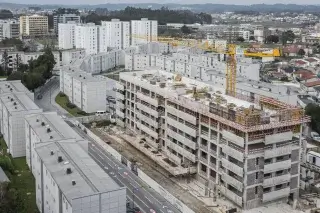





Average House Prices in Portugal Reach €435,000

Unsplash
The average asking price of housing in Portugal reached €435,000 in July, rising by 1.4% month-on-month and 2.4% year-on-year. The strongest price growth is currently being recorded in some inland areas and smaller cities, The Portugal News reports, citing data from Imovirtual.
How Much Does Housing Cost in Portugal?
According to Reuters, housing in Portugal became 17.8% more expensive in the first quarter of 2026 compared with the same period of 2025. This was the highest increase in the European Union, well above the EU average of 5.1%. Prices also rose by another 3.8% over the quarter.
In July, the strongest price growth among the major regions was recorded in Central Portugal, where prices increased by 13.7% over the year and by 1.2% compared with June, reaching €290,000. In the south of the country, prices rose by 7.6% over 12 months to €269,000. In the north, they increased by 5.7% over the same period but fell by 1.3% month-on-month to €295,000.
Among districts, Bragança led in annual price growth, with an increase of 36.8% to €130,000. It was followed by Portalegre (+24.2%) at €149,000, Viseu (+17.1%) at €250,000, and Coimbra (+15.4%) at €300,000. Housing prices in Leiria and Santarém rose by 12%, reaching €350,000 and €280,000 respectively.
Lisbon remains the country’s most expensive market, with an average price of €610,000, although prices fell by 4.8% over the year. In Faro, the figure reached €587,250 (+8.8%). Porto recorded a monthly increase of just 1%, bringing the average price to €399,000.
Mortgages in Portugal: New Requirements
New mortgage lending requirements are also affecting Portugal’s housing market. The standard limit for the ratio of monthly debt repayments to household income has been reduced from 50% to 45%. For a household earning €3,000, this means mortgage and other debt payments should not exceed €1,350 per month, compared with the previous limit of €1,500.
The measure is intended to reduce risks for borrowers and banks. This is particularly relevant for Portugal because of the high share of mortgages with variable or short-term fixed interest rates: at the end of 2024, they accounted for 62% of the mortgage portfolio.
At the same time, government support is available to buyers aged 35 and under. They can benefit from tax incentives and a state guarantee covering 15% of the mortgage when purchasing a property worth up to €450,000. The programme reduces the amount of upfront capital required from buyers, although additional demand may help keep prices high if housing supply remains limited.
Rental Market in Portugal
The average residential rent in Portugal reached €1,350 in July, up 3.8% over the year. In the north, rents increased by 12.5% to €900. In the south, they rose by 10% over the year and by the same amount compared with June, bringing the average to €1,100. In Central Portugal, rents increased by 3.9% to €800.
Among districts, Beja recorded the strongest annual increase, with rents rising by 25% to €750. It was followed by Faro (+16.3%) at €1,500, Viseu (+15.4%) at €750, Viana do Castelo (+12.5%) at €900, and Leiria (+11.8%) at €950.
Lisbon is also the most expensive rental market in the country, with the average monthly rent at €1,699.
Conclusion
Imovirtual Marketing Manager Sylvia Bozzo notes that the largest markets are showing signs of stabilisation, while stronger growth is now being recorded in medium-sized cities and inland areas. This points to a gradual shift in price momentum beyond Lisbon and Porto.
International Investment analysts note that tighter mortgage requirements may curb demand among some buyers, while government support for younger borrowers could sustain it. The high proportion of variable-rate mortgages also remains an important factor, as changes in borrowing costs are reflected relatively quickly in household repayments and purchasing activity.
For investors, this makes regional analysis increasingly important. Lisbon still has the highest prices, but housing values there have declined over the past year, while a number of less expensive markets have recorded double-digit growth in both property prices and rents. When selecting a property, investors need to consider not only price appreciation but also entry costs, rental demand, potential returns and financing conditions. Rapid growth in some districts may create additional opportunities, but it also increases the risk of buying near a local market peak.