







 Vietnam Mortgage Surge Pushes Homes Out of Reach
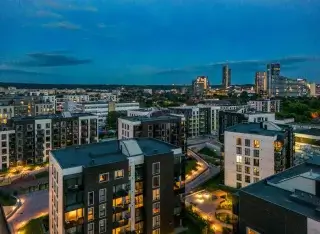 Lithuanian Apartment Prices Accelerate Across Major Cities
 London Flats Lose Value Ahead of Leasehold Reform
 Construction of the Batumi–Sarpi Highway Begins in Georgia
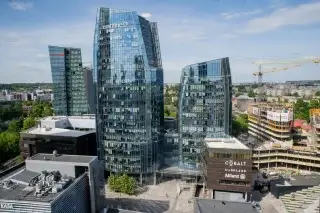 Baltic Property Investment Accelerates in 2026
 Hong Kong and Singapore Renew Their Expat Rivalry
Short-Term Rentals in Poland Reshape Premium Housing Sector
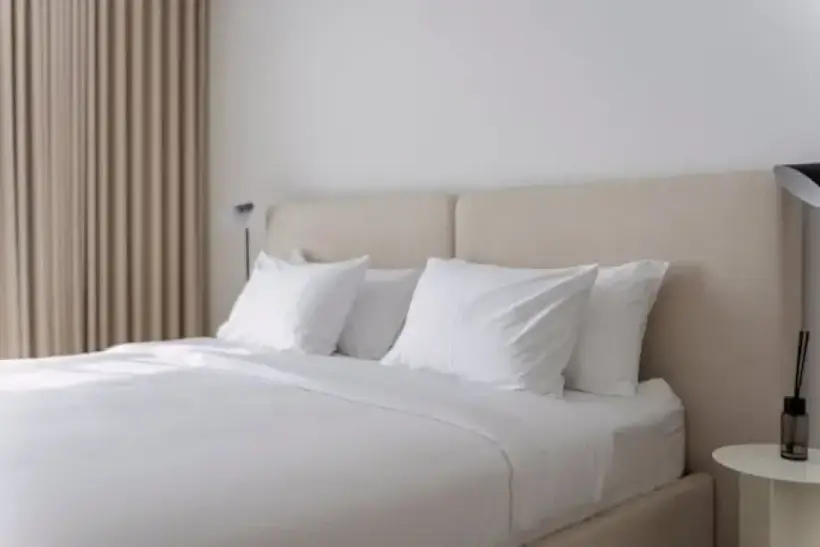
Poland’s Short-Term Rental Market Sparks Debate in Luxury Real Estate
Short-term apartment rentals remain one of the most controversial issues in Poland’s residential property market, particularly within premium developments. Developers, investors and local authorities increasingly diverge in their assessment of how short-term rental models affect living standards, asset values and long-term market stability. According to propertynews.pl, this strategic divide has become more visible in recent years.
Developers in Poland Restrict Short-Term Rentals in High-End Projects
In the premium segment, some Polish developers are actively limiting the potential for frequent tenant turnover. Concerns typically relate to maintaining residential quality, ensuring security and protecting the long-term prestige of projects.
In Łódź, Uniqum’s T17 development promotes owner occupancy and permanent residence. The concept includes limiting the number of small units, which are more commonly used for short-term rental purposes. Planned community rules explicitly state that apartments are designated for residential use only.
Access to shared amenities will require prior registration, creating administrative barriers that make frequent guest turnover more difficult and less attractive for short-term operators.
Aparthotels in Poland as a Purpose-Built Alternative
Other developers in Poland adopt an opposite strategy by designing projects specifically for short-term rental operations. TPPI’s Nano Apart in Warsaw exemplifies this model. The project comprises approximately 200 units structured as an aparthotel, managed by a professional operating company.
Supporters argue that purpose-built aparthotel developments can relieve pressure on traditional housing stock by channeling tourist and business demand into dedicated assets rather than standard residential buildings.
Regulatory Barriers Facing Short-Term Rental Projects in Poland
Despite market demand, local authorities in Poland often approach aparthotel projects with caution. Municipal governments frequently associate short-term rental expansion with housing affordability challenges and increased infrastructure strain.
As a result, additional administrative barriers and operational requirements are being introduced in some locations. Developers view these measures as a significant threat to further market growth and long-term investment planning.
Poland’s short-term rental market is therefore becoming increasingly polarized. While premium residential projects tighten restrictions to prioritize permanent residents, specialized aparthotel formats continue to develop as an alternative investment segment.
As experts at International Investment note, the future of the premium housing sector in Poland will depend on balancing investor interests, residential stability and municipal regulation. Under sustained regulatory pressure, professionally managed aparthotels may prove to be the more sustainable long-term model for short-term rental activity.