







 Vietnam Mortgage Surge Pushes Homes Out of Reach
 Lithuanian Apartment Prices Accelerate Across Major Cities
 London Flats Lose Value Ahead of Leasehold Reform
 Construction of the Batumi–Sarpi Highway Begins in Georgia
 Baltic Property Investment Accelerates in 2026
 Hong Kong and Singapore Renew Their Expat Rivalry
Joo Chiat Shophouse Singapore Used As Illegal Dormitory
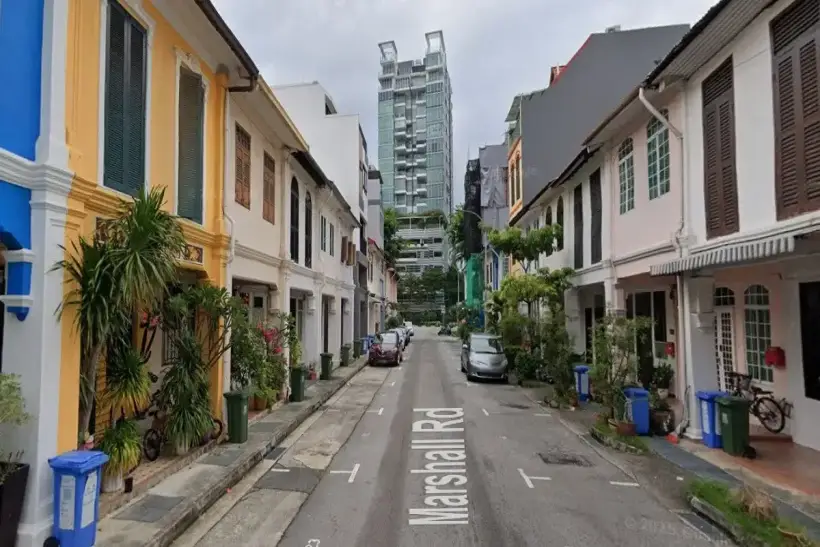
A case involving an overcrowded shophouse in Singapore’s Joo Chiat area has highlighted ongoing challenges surrounding housing compliance and accommodation for foreign workers. A landlord discovered that his residential property had effectively been converted into a dormitory, far exceeding legal occupancy limits.
Rental arrangement spirals into violation
The three-storey shophouse along Marshall Road was purchased in October 2025 by a 35-year-old owner, Lin, who later engaged a property agent to lease the unit while he was overseas. An eatery owner expressed interest, explaining that the premises would be used to house several employees. According to the landlord, the initial discussion involved around seven workers, though the final number was left open.
The tenancy agreement was signed on Oct 31, 2025, with a two-month rental deposit paid.
Owner discovers severe overcrowding
When Lin visited the property two weeks later, he found the interior radically altered. Multiple bed frames, bunk beds and mattresses filled the living spaces and bedrooms across all three floors. Based on what he saw, the landlord suspected that as many as 18 people were living in the five-bedroom shophouse.
URA rules breached
Under regulations set by Singapore’s Urban Redevelopment Authority, private homes smaller than 90 square metres are limited to six unrelated occupants. Larger properties may accommodate up to eight tenants only if registered with the authority. The Joo Chiat property was found to be in breach of these requirements.
Following a report to the authorities, an inspection conducted on Nov 27 confirmed the presence of nine occupants, with one additional person believed to be away. An eatery spokesperson later acknowledged that the occupancy cap had been exceeded by five individuals.
Eviction and resolution
Efforts to resolve the matter directly proved unsuccessful, with the tenant refusing to vacate and suggesting that workers might have invited others to stay. The landlord subsequently issued an eviction notice requiring the premises to be vacated by Jan 5.
The eatery later confirmed that the property had since been vacated, restored to its original condition, and that alternative housing arrangements had been made for the workers.
Broader housing pressures exposed
The incident underscores broader structural pressures in Singapore’s housing market, particularly for foreign workers and lower-income employees. Tight regulations, high compliance costs and limited supply of affordable accommodation continue to push some employers toward non-compliant housing solutions, increasing regulatory scrutiny and social risk.
As experts at International Investment report, cases like this highlight the growing mismatch between housing demand and legally available accommodation for migrant workers. Stricter enforcement is improving compliance, but it also reinforces the need for regulated, professionally managed housing solutions that balance worker welfare with regulatory requirements.