







 Turkey Is Losing Its Cheap-Holiday Advantage
 Development Is Rewriting Southeast Asia’s Historic Districts
 How Ukraine’s New-Build Housing Market Has Changed Over Four Years
 European Prime Rents Rise as Property Yields Turn Higher
 The Most Expensive Airlines in Europe in 2026
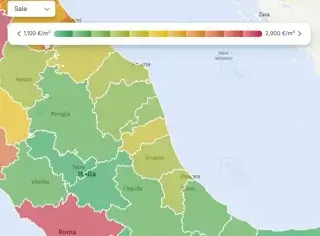 Housing Prices in Italy Reach a Two-Year High
Indonesia Risk Premium Rises After Moody’s Outlook Cut

Credit Markets React to Moody’s Decision
Indonesia’s credit risk indicators moved sharply higher after Moody’s Investors Service revised the country’s sovereign rating outlook to negative from stable. Credit default swaps on Indonesian government debt widened the most in several months, signalling increased investor concern over fiscal risks and the medium-term outlook for Southeast Asia’s largest economy.
Drivers Behind the Outlook Downgrade
Moody’s cited rising fiscal pressures as the key reason for the outlook change, pointing to higher government spending commitments and a widening budget deficit. The agency also highlighted longer-term challenges linked to social expenditure and infrastructure investment, alongside external risks stemming from global economic uncertainty and volatile capital flows affecting emerging markets.
Market Response and CDS Movements
Following the announcement, the cost of insuring Indonesian sovereign debt against default increased noticeably. CDS spreads are widely viewed as a barometer of country risk, and the latest move reflects heightened caution rather than panic. Market participants note that while the reaction was pronounced, risk levels remain well below those associated with past periods of financial stress.
Government Response and Economic Fundamentals
Indonesian authorities have emphasised that the country’s economic fundamentals remain solid. Indonesia continues to post steady growth, maintains a relatively low public debt ratio and benefits from strong domestic consumption. The central bank has reiterated its commitment to policy tools aimed at maintaining financial stability and managing external shocks.
Broader Emerging Market Implications
Indonesia’s experience highlights the increased sensitivity of emerging markets to rating agency actions amid tighter global financial conditions. As investors reassess risk in a higher interest rate environment, even modest shifts in credit outlooks can trigger swift market reactions.
As reported by experts at International Investment, the widening of Indonesia’s CDS spreads following Moody’s outlook revision reflects growing investor prudence rather than a deterioration in core economic strength, with future sentiment hinging on fiscal discipline and policy credibility.