







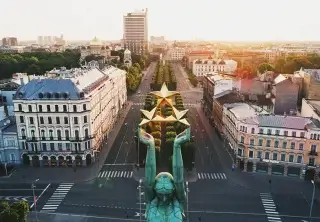
 Latvia’s Residence Permits for Real Estate to Be Abolished from September 15
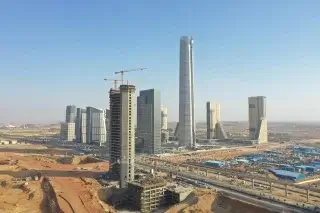 Egypt Prepares New Law for Property Developers
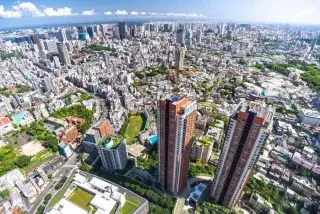 Young Japanese Buyers Turn to 50-Year Mortgages
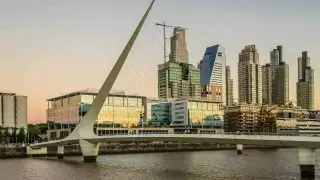 Argentina Narrows Tourism Gap as Arrivals Rise
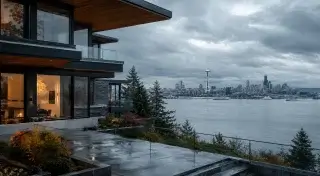 Seattle Luxury Housing Loses Its Former Momentum
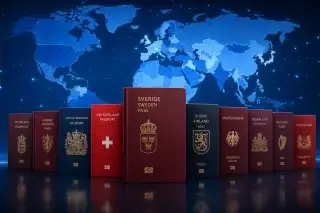 The World’s Strongest Passports for Travel, Living and Investment
Serbia’s Real Estate Market Reaches Record €2 Billion
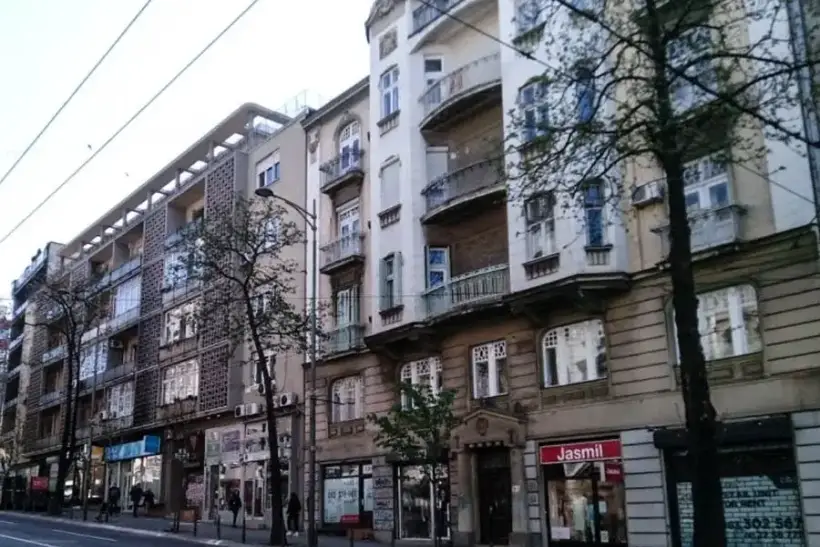
The value of Serbia’s real estate market reached €2 billion in the first quarter of 2026 — the highest level recorded for a three-month period, according to the Republic Geodetic Authority (RGZ). The most expensive apartment was sold in Belgrade for €2.6 million.
Real estate transaction value in Serbia rises by almost 14%
In the first quarter of 2026, a total of 30,795 real estate purchase and sale agreements were concluded in Serbia. The total value of transactions reached €2 billion, marking the highest figure for the first three months of a year since the establishment of the Real Estate Price Register.
Compared with the same period last year, the market value increased by 13.9%, while the number of transactions grew by 6.2%. Apartments accounted for the largest share of the market, with transactions worth €1.2 billion, or 62% of the total value of all real estate deals.
Transactions involving houses amounted to €152 million, building land — €122 million, commercial properties — €92 million, and agricultural land — €49 million. Mortgages were used in 14% of all transactions. For apartment purchases, the share of mortgage-financed deals was significantly higher, reaching 33%, compared with 25% a year earlier.
Belgrade records the most expensive real estate deals
The most expensive transaction was an apartment sale in Belgrade’s Savski Venac district. The buyer paid €2.6 million, while the price per square meter reached €12,000, the highest level recorded in Serbia during the first quarter.
The most expensive house was also sold in Savski Venac for €2.1 million. A record price was recorded in the garage market as well: a parking space in Belgrade’s Stari Grad municipality was sold for €77,000.
Overall, the number of purchase and sale agreements in the Serbian capital increased by 9.5%. Apartment purchases alone accounted for €643 million.
Existing housing in Novi Sad becomes more expensive than new builds
The Novi Sad housing market showed unusual dynamics in the first quarter of 2026. The average price per square meter on the secondary market increased by 12.7% to €2,363. New construction prices rose by 6.61% to €2,186 per square meter. As a result, older housing stock became more expensive than newly built apartments.
The average residential property price in Novi Sad reached €2,289 per square meter.
Among cities in Vojvodina, Novi Sad retained the highest residential property prices. For comparison, the average price was €1,525 per square meter in Pančevo, €1,325 in Subotica, €1,201 in Vršac, and €1,222 in Zrenjanin. Sombor remains the most affordable among the region’s larger cities, with average housing prices of €1,020 per square meter.
Housing markets in Niš and Kragujevac
In Niš, the number of transactions decreased by 4.6% compared with January–March 2025. At the same time, housing prices remained high for a regional market. The average apartment price reached €1,749 per square meter. On the secondary market, the average price was €1,786 per square meter, exceeding the level recorded for new construction, where prices averaged €1,713 per square meter.
Kragujevac showed more moderate market dynamics. In the first quarter, the number of purchase and sale agreements declined by 6.1% year-on-year. The median apartment price reached €1,540 per square meter, making the city more affordable compared with Niš.
Trends and prospects for Serbia’s real estate market
Analysts at International Investment note that Serbia’s real estate market continues to expand. Demand is increasingly concentrated in the most attractive locations in Belgrade and Novi Sad, where economic activity remains strong and the supply of quality properties is limited. At the same time, more affordable markets such as Niš and Kragujevac show that rising housing prices are already affecting buyer activity.
The growing share of mortgage-financed transactions indicates that bank lending is becoming a more important factor in the market. Access to financing will play a key role in determining future demand and buyers’ ability to purchase property at current price levels.
For investors, Serbia’s market is becoming more selective. Property purchases in the country are often linked to obtaining residence permits rather than generating investment income. The market expanded significantly during the period of active relocation of Russian and Belarusian citizens, but by 2026 this wave of demand has weakened. Going forward, more moderate growth rates are expected.